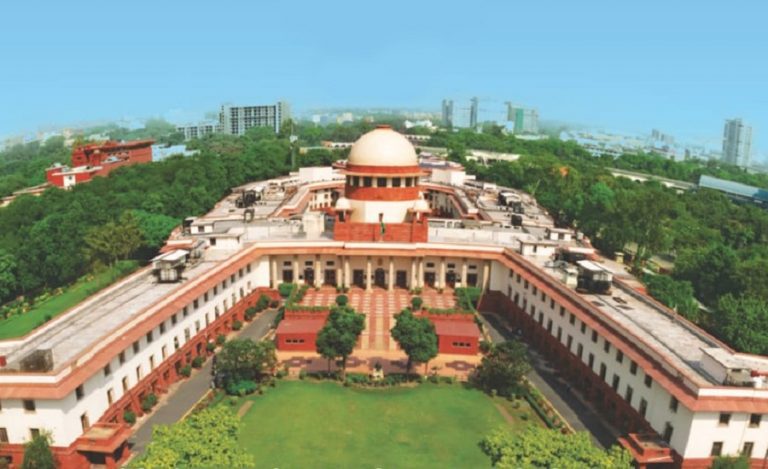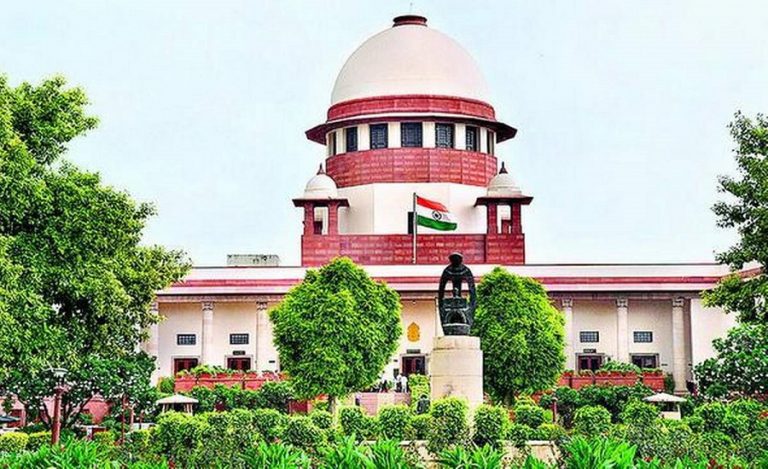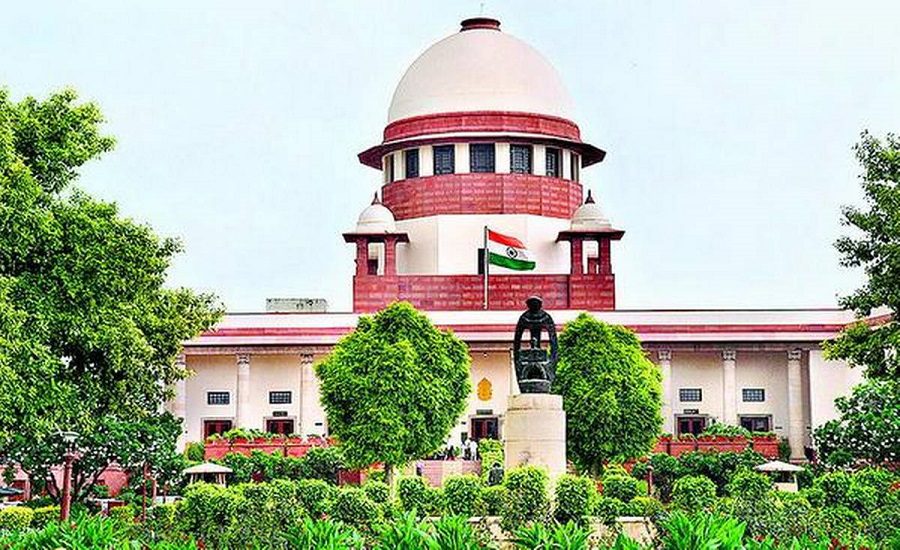
New Delhi: The Supreme Court SIR Electoral Rolls Verdict has become a major development in India’s election system.
The Supreme Court of India has upheld the Election Commission of India (ECI) to conduct the Special Intensive Revision (SIR) of electoral rolls. The Court said the process is legally valid and supports the constitutional goal of free and fair elections.
According to the judgment, the ECI has the power under Article 324 of the Constitution, along with the Representation of the People Act, 1950, to revise and verify electoral rolls.
Details of Supreme Court SIR Electoral Rolls Ruling
A Bench led by Chief Justice Surya Kant and Justice Joymalya Bagchi ruled that:
- The Election Commission has constitutional authority to conduct SIR.
- The process does not violate election laws.
- Electoral roll revision is connected to maintaining free and fair elections.
- The ECI can take steps to ensure voter lists remain accurate and transparent.
The Court observed that maintaining clean electoral rolls is important for democracy and voter trust.
Why Was The Case Filed?
The petitions challenged the Election Commission’s notification issued in Bihar last year for conducting Special Intensive Revision (SIR) of electoral rolls.
Petitioners argued that:
- The process could affect voters unfairly.
- Certain verification procedures may lead to deletion of names.
- The revision exercise required stronger safeguards.
However, the Supreme Court rejected these concerns and upheld the ECI’s legal powers.
Supreme Court SIR Electoral Rolls Ruling: Legal Basis Mentioned By The Court
The Court relied on:
- Article 324 of the Constitution of India
- Representation of the People Act, 1950
- Rules framed under election laws
The judgment clarified that these provisions give the Election Commission broad powers to supervise and manage electoral processes.
What is the Importance Of Electoral Roll Revision
The Court highlighted that electoral roll verification helps:
- Remove duplicate entries
- Correct outdated information
- Ensure eligible voters remain listed
- Improve election transparency
- Strengthen democratic processes
Experts believe accurate voter lists reduce the risk of electoral fraud and improve trust in elections.
What is the Impact of Supreme Court SIR Electoral Rolls Ruling
The judgment is especially important because the SIR exercise in Bihar had become politically sensitive.
With the Court’s approval:
- The Election Commission can continue the SIR process.
- Electoral verification efforts in Bihar are expected to move forward.
- Similar revision exercises may be conducted in other states if required.
Election Commission’s Stand
The ECI argued before the Court that:
- SIR is a lawful administrative exercise.
- The process is necessary to maintain accurate voter databases.
- Proper procedures are followed during verification.
The Commission also said the exercise is aimed only at improving the integrity of electoral rolls.
Read also: Election Re-shuffle: How the Election Commission of India rewrites Bureaucracy during Elections