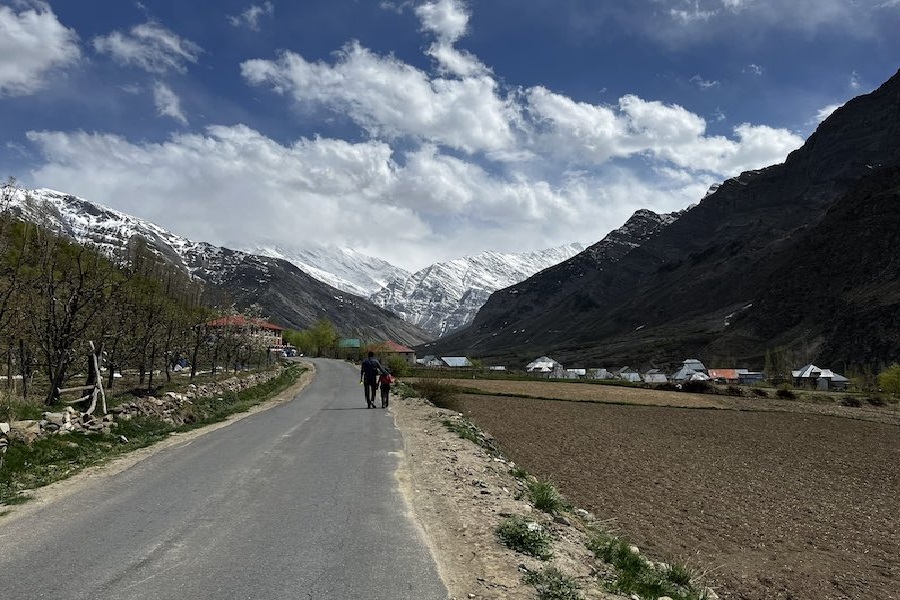
New Delhi: Nestled amid the rugged mountains of Himachal Pradesh’s Lahaul region, the tiny village of Tholang has achieved what many larger towns can only aspire to. Home to just 36 families and around 300 residents, the remote Himalayan settlement has produced more than 50 accomplished professionals, including three IAS officers, IPS and HAS officers, doctors, engineers, and professionals in the fashion industry.
According to News 18 report, located around 113 kilometres from Manali, Tholang has become a remarkable example of how education, determination and community values can transform an entire village despite geographical isolation and harsh living conditions.
A Village Where Education Became a Way of Life
Education is the defining strength of Tholang. According to reports, every resident of the village is literate, while nearly 90% of its women are graduates—an extraordinary achievement for a remote tribal settlement that remains cut off from the rest of the state for nearly six months every year due to heavy snowfall.
The village’s emphasis on education dates back nearly a century. A primary school established by Christian missionaries in the 1920s gave children access to formal education long before modern infrastructure reached the region. Over time, this early investment in education transformed the aspirations of generations.
Three IAS Officers and a Legacy of Civil Services
In the last four decades alone, eight people from Tholang have entered India’s elite civil services, including three IAS officers, besides IPS and Himachal Administrative Service (HAS) officers.
The village’s civil services journey began in 1968, when A.N. Vidyarthi became its first IAS officer. He later rose to serve as the Chief Secretary of Himachal Pradesh, inspiring countless youngsters from the village to pursue government service and higher education.
His success created a culture where competitive examinations became an achievable goal rather than a distant dream.
More Than Civil Services
Tholang’s achievements extend well beyond bureaucracy.
The village has produced numerous doctors, engineers, professionals in the fashion industry, and other skilled experts who have built successful careers across India. Collectively, the village has produced over 50 highly qualified professionals, an exceptional feat considering its tiny population.
Many residents who later settled in Kullu and Manali have also established successful businesses, particularly in the tourism and hospitality sectors after retirement.
Remote Yet Resilient
Life in Tholang has never been easy. Surrounded by towering mountains, the village remained without proper roads, electricity and basic infrastructure for many years. Even today, heavy snowfall isolates the region from the rest of Himachal Pradesh for nearly half the year.
The villagers believe these difficult living conditions strengthened their resilience and determination, helping successive generations overcome challenges through education.
Government Support Played a Role
Another important factor behind Tholang’s remarkable success has been the benefits available to the Scheduled Tribe (ST) community. Government welfare schemes and reservation policies provided better access to educational opportunities and public sector employment, allowing talented students from the village to compete at the highest levels.
Combined with the community’s unwavering commitment to education, these opportunities helped transform Tholang into one of India’s most successful villages in terms of academic and professional achievement.
A Model for Rural India
Despite its small size and geographical isolation, Tholang stands as a powerful example of how quality education, community support and perseverance can overcome even the toughest circumstances. Today, the village is widely recognised as an inspiration for rural and tribal communities across the country, proving that determination and learning can open doors to national leadership and professional excellence.