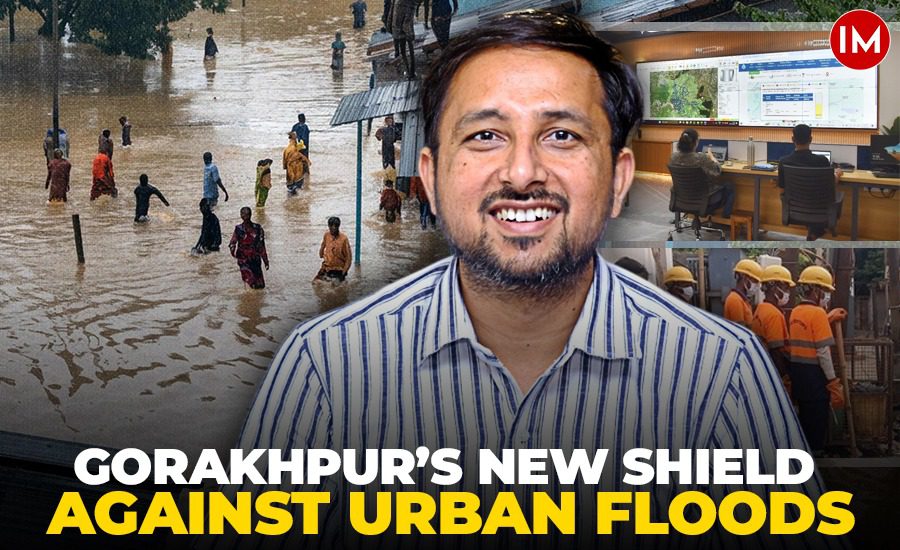
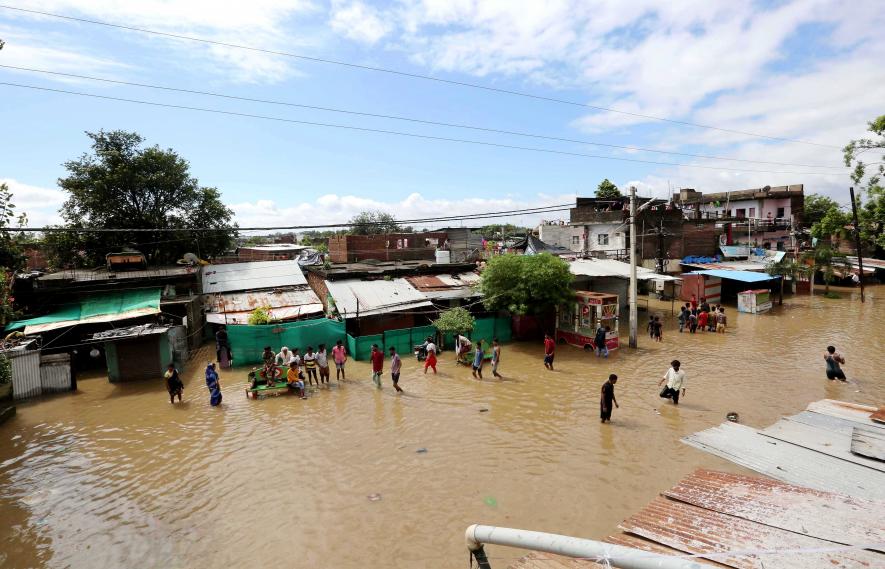
On most monsoon mornings, Gorakhpur wakes up with one anxious question: how deep will the water be today? For decades, knee-deep water, blocked drains, and submerged roads turned heavy rain into a citywide emergency.
Gorakhpur’s geography works against it. Located in the Terai region at the confluence of the Rapti and Rohini rivers, much of the city lies below the High Flood Level. The monsoon brings intense rainfall, but the terrain’s poor drainage means the water has nowhere to go.
The result:
- Knee-deep stagnant water in residential areas
- Roads submerged for hours, sometimes days
- Drains choked with waste
- Inadequate and unclear pump operations
- Under-construction drains and sump wells left many wards without proper water exit points
But in 2025, that story began to change.
At the heart of this shift is Gaurav Sogarwal, a 2017-batch IAS officer of the Uttar Pradesh cadre and the Municipal Commissioner of Gorakhpur. His brainchild, the Urban Flood Management Centre (UFMC), launched in May 2025, is a first-of-its-kind coordinated system in the state, funded by the UP State Disaster Management Authority.
“This is more than a tech solution; it’s a system that unites processes, technology, and people to predict, prepare, and protect, not just during floods, but all year round,” Mr. Sogarwal shared in an exclusive conversation with Indian Masterminds.
THE PROBLEM BEFORE THE SOLUTION
“We had the technology, but it was scattered,” says Sogarwal. “The challenge was to bring it all under one control room, with real-time monitoring and quick response.”
THE URBAN FLOOD MANAGEMENT CENTRE
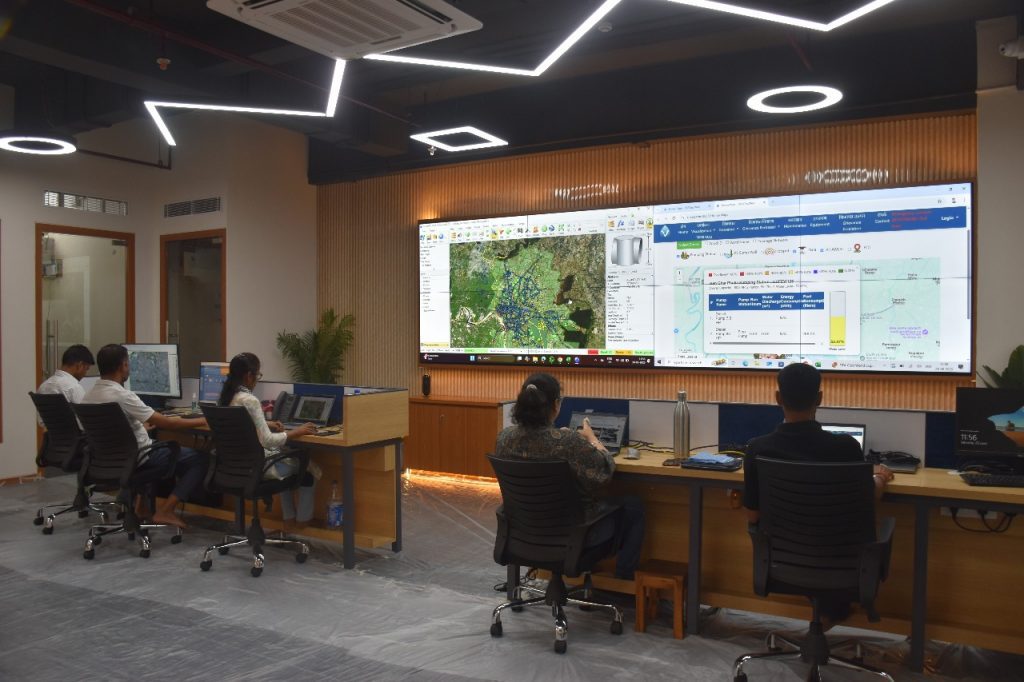
Housed in a 24×7 emergency control room, the UFMC integrates a hyperlocal Early Warning System (EWS) and a Decision Support System (DSS), powered by IoT sensors, AI-driven weather forecasts, and automated pumping station controls.
Its motto: Predict. Prepare. Protect. drives two core functions:
1. Early Warning System (EWS)
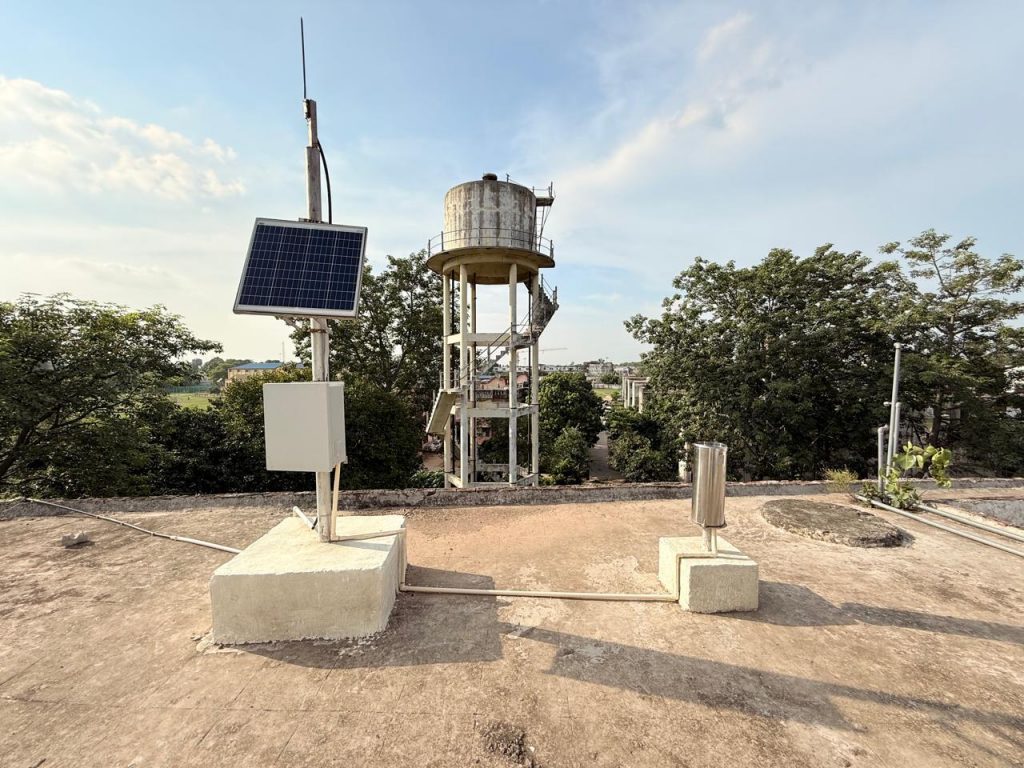
- Real-time weather monitoring & forecasting using IMD data, Automatic Rain Gauges (ARGs), and Automatic Weather Stations (AWS).
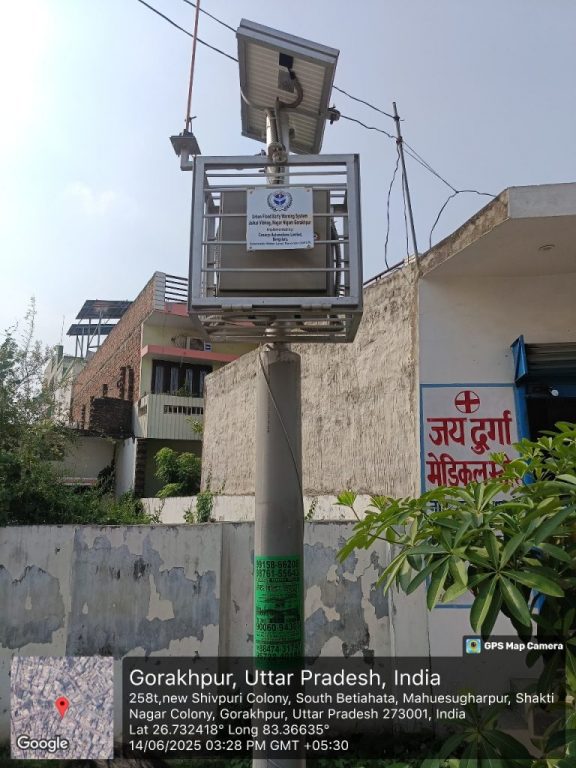
- AWLR-based water level monitoring at 110 points, including major drains, rivers, and sump wells.
- Automated alerts for heavy rainfall, high water levels, or low pump fuel.
- Flood risk mapping with hotspot identification and water-routing suggestions.
- Zone-wise flood forecast reports a day in advance.
2. Decision Support System (DSS)
- Full integration of the city’s drainage infrastructure into a Hydrology & Hydraulics (H&H) model.
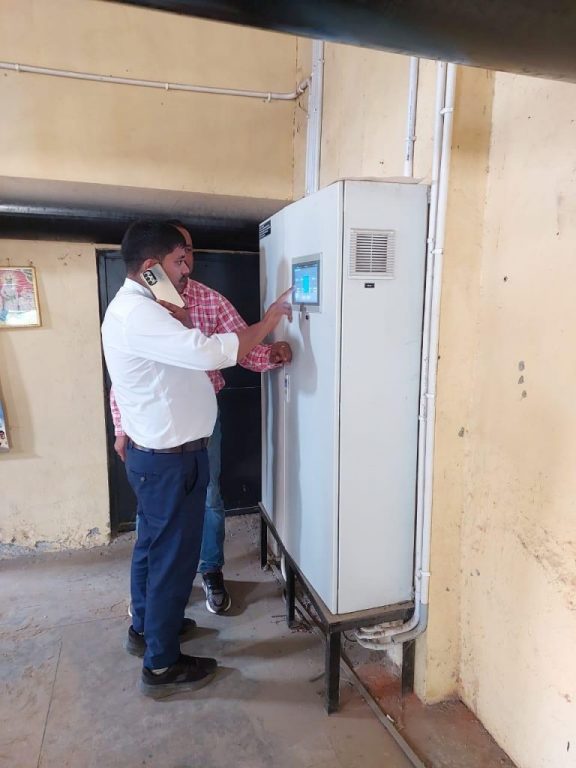
- Automated pumping station operations via SCADA-PLC, eliminating manual error.
- Citizen grievance portal through mobile app, website, or toll-free helpline.
- Drain cleaning guidance using water level trends.
- Long-term planning for new pumping stations, drain remodelling, and urban water management.
MAPPING EVERY DROP AND EVERY DRAIN
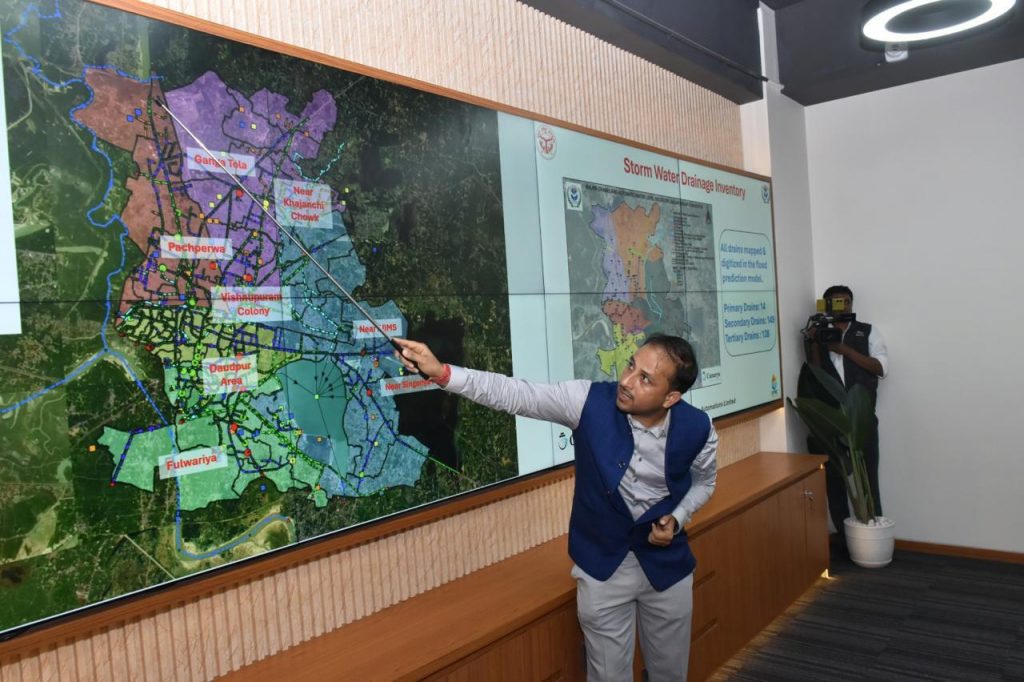
Before UFMC could go live, the city undertook a massive drainage survey, including mapping and digitizing 14 primary drains, 149 secondary drains, and 138 tertiary drains. It also identified 28 waterlogging hotspots with cause analyses and tagged 80 Points of Interest, including key junctions, religious sites, and commercial hubs, for special monitoring.
Local ward councillors and community members played a key role. “Technical data is important, but local knowledge tells you where the real trouble spots are,” says Sogarwal.
CLEANING BEFORE FLOODING
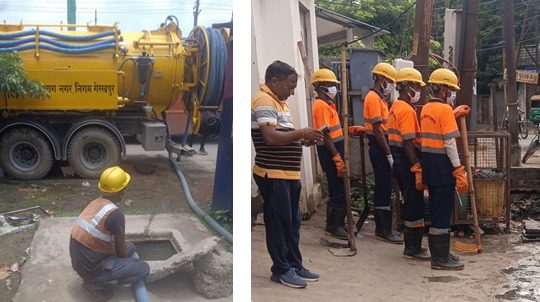
Using AWLR data, the city completed three rounds of 100% drain cleaning before the monsoon, with measurable improvements in water levels. Pumps were serviced, choke points cleared, and mobile units deployed in advance to flood-prone zones like Taramandal and Vijay Chowk. The impact was measurable and immediate.
Since UFMC’s launch, waterlogging duration has reduced to under 1–1.5 hours in most areas, and pump maintenance needs have dropped by up to 60% thanks to preventive alerts. Along with this, there has been a notable 80% increase in the accuracy of waterlogging forecasts, with over 70% of citizen complaints resolved promptly through the grievance portal and a 65% improvement in coordination among municipal teams during rainfall events.
“Now, when rain comes, we are not caught off guard. We know which drains will choke, where water will rise, and which pump to switch on, all before it happens,” he shared with Indian Masterminds.
THE HUMAN ELEMENT BEHIND THE TECHNOLOGY
The UFMC operates round-the-clock, bringing together a specialised team to tackle urban flooding. Emergency Responders are on the front lines, receiving and routing citizen complaints as they come in. Flood Modellers track forecasts in real time, updating action plans to stay ahead of changing conditions. Quick Response Teams, armed with mobile pumps and suction machines, are dispatched to trouble spots without delay. All efforts are coordinated through the UFMC’s real-time dashboard, linking the Municipal Corporation, GDA, PWD, and Jal Nigam for swift, unified action.
This collaboration ensures not just rapid action but also targeted resource deployment.
BEYOND FLOOD CONTROL
The plan goes beyond just controlling monsoon floods, laying the groundwork for long-term management. Future steps include expanding the sensor network to cover unmonitored wards, integrating alerts with upstream river management for better preparedness, and rejuvenating urban ponds to serve as natural water storage systems. Additionally, insights from the DSS will be harnessed for smarter, more sustainable city planning.
“Our aim is to make waterlogging history for Gorakhpur,” says Sogarwal. “Every season, every year, we’ll be better prepared.”
WHY UFMC MATTERS
For a city that has lived with water up to its knees for generations, UFMC represents a shift in how floods are handled; not as unpredictable disasters, but as manageable urban events.
As the monsoon clouds gather over Gorakhpur, the control room screens light up with rainfall maps, water level charts, and pump status indicators. And in those glowing numbers, there’s a quiet confidence, backed by data, planning, and the commitment of a team led by an officer who refuses to let the city go under.