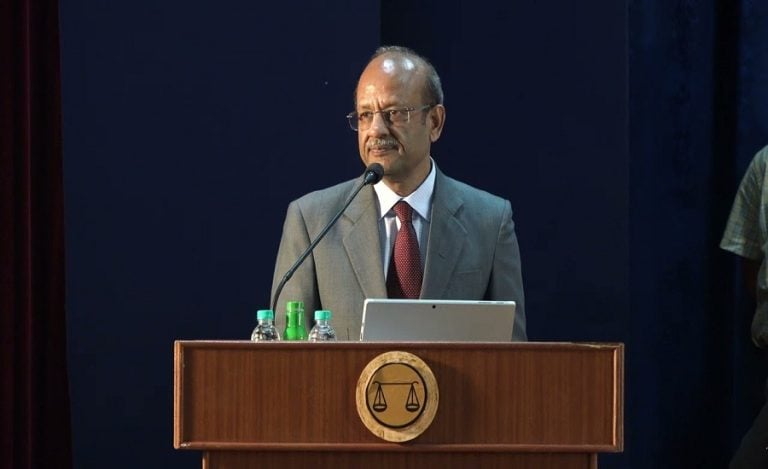
Amid the dense forests and rich biodiversity of Maharashtra, a silent but powerful transformation in conservation is taking place – driven by a visionary Indian Forest Service (IFS) officer who has masterfully integrated enforcement, habitat restoration, technology, and community engagement.
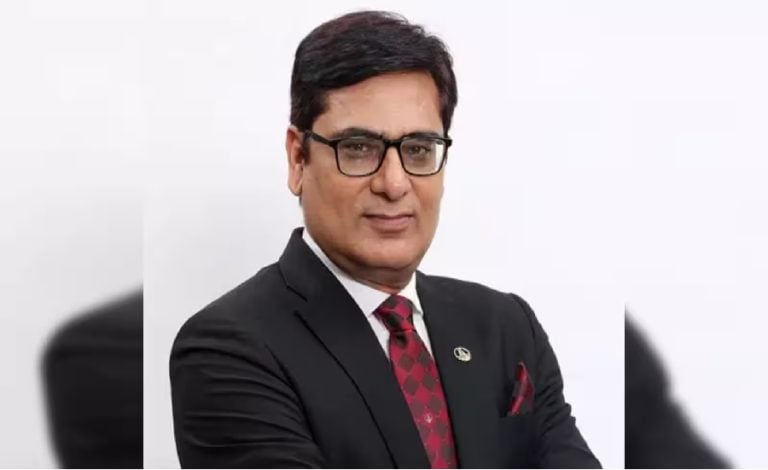
Mr Jitendra Ramgaonkar, a 2006-batch IFS officer of the Maharashtra cadre, currently serves as the Chief Conservator of Forests (Territorial), Chandrapur. With over two decades of dedicated service, his pioneering work in the Tadoba-Andhari Tiger Reserve and other ecologically sensitive landscapes has set new benchmarks in wildlife protection and inclusive, people-centric conservation.
Indian Masterminds spoke with Mr Ramgaonkar to delve deeper into his initiatives, their on-ground implementation, and how his holistic approach is redefining conservation models across India.
Laying the Foundation: Eco-Tourism & Community Empowerment
Mr Ramgaonkar’s journey toward inclusive conservation began over a decade ago with innovative eco-tourism initiatives designed to benefit tribal communities and protect nature simultaneously. One of his earliest and most successful projects took root in the East Melghat region around 2011-12, where he experimented with local community-based tourism.
But it was in the Kudiya Forest Division (2015–2017) – a disturbed region bordering Chhattisgarh and affected by left-wing extremism – that his vision truly came to life.
“There was a natural waterfall in a neglected area. We brought together tribal youth from 4-5 surrounding villages, trained them in adventure activities like ziplining, water zorbing, and culinary services through local SHGs. Equal participation of boys and girls was our goal,” says Mr Ramgaonkar.
With rigorous training from the National Institute of Mountaineering, the initiative not only empowered tribal youth but also brought stability to a previously volatile area. In 2025, the facility proudly completed 10 successful years without a single mishap, now functioning as a popular tourist destination at the Maharashtra-Chhattisgarh border.
“When communities see forests as a source of livelihood, the incentive to destroy them disappears,” he explains. “Illegal forest activities dropped significantly, and the local economy was recharged.”
Breaking Wildlife Crime Networks
Equally significant has been Mr Ramgaonkar’s contribution to dismantling tiger poaching syndicates – operations that often span states and even international borders.
Melghat Case: A Landmark in Wildlife Enforcement
Between 2011 and 2013, while posted in Melghat, he led a massive crackdown that culminated in the arrest of 35 poachers, ranging from local hunters to high-level traders in Delhi. The case made history by securing India’s first wildlife trafficking conviction under the Prevention of Money Laundering Act (PMLA).
“We captured the entire chain – from the field poacher to the international trader. Many of the accused couldn’t even get bail until final conviction. Some even died in jail,” he recalls.
Multiple agencies collaborated in this complex operation: Forest Departments, Police, Wildlife Crime Control Bureau (WCCB), and even the CBI and BSF.
Chandrapur: Reinforcing the Message
In Chandrapur too, he continued the crackdown on wildlife crime with similar inter-agency cooperation. These sustained efforts have sent a strong message across Central India: poaching will not go unpunished, and tiger populations have shown a noticeable rebound as a result.
Transforming Tadoba: A Model Tiger Reserve
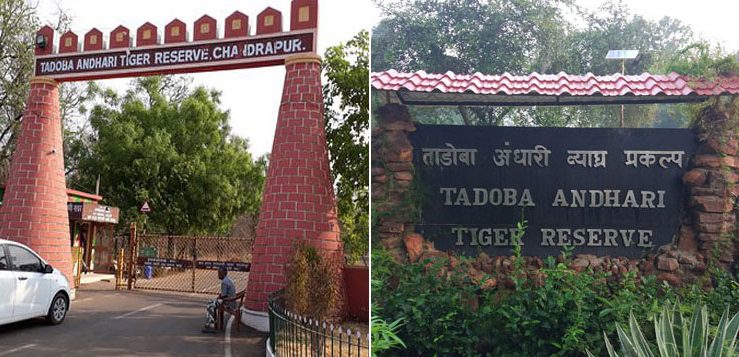
As Field Director of Tadoba-Andhari Tiger Reserve (TATR) from 2020 to 2025, Mr. Ramgaonkar oversaw a comprehensive transformation of the landscape – from ecological restoration to community-driven tourism.
Habitat Restoration
Over 18,800 hectares of grasslands and weed-infested forests were restored, boosting prey base and indirectly supporting a healthier tiger population.
“People talk about tourism, but the real strength of a tiger reserve lies in its herbivore population. We focused on restoring grasslands to increase prey density,” he shares.
Zero Poaching, Despite 93 Buffer Villages
During his five-year tenure, Tadoba reported zero poaching incidents, a significant achievement given its proximity to 93 villages. Proactive protection measures and robust community involvement were key to this success.
Solar Fencing & Conflict Mitigation
In Chandrapur, where 40-50 human deaths from wildlife encounters were once common, he introduced scalable conflict mitigation solutions. Over 26,000 farmers benefited from solar fencing, reducing both crop damage and accidental animal electrocution.
Additionally, 400 trained village-level response teams now serve as first responders in man-animal conflict situations – a crucial step toward lowering tensions and casualties.
“We trained locals as part of primary response teams. They not only manage conflict situations better but also speak on behalf of the forest department in hostile circumstances,” he notes.
As a result, human-wildlife conflict cases dropped by nearly 50% between 2022 and 2023.
Tourism That Gives Back
Mr Ramgaonkar’s ecotourism model, particularly at Hazra Falls, stands out as a win-win for conservation and livelihoods. Operated entirely by tribal youth, the project sustains hundreds of families, demonstrating how conservation can be an engine for economic growth.
Under his leadership, Tadoba pioneered buffer tourism, directing one-third of the tourism revenue back to the villages. This approach has not only enhanced local support for conservation but also created a sense of ownership among communities.
A Holistic Conservation Model
Mr Jitendra Ramgaonkar’s conservation strategy is not just about protecting tigers – it’s about protecting ecosystems, empowering people, and ensuring sustainability through innovative thinking and fearless execution.
“When people realize that forests can give them so much – from livelihood to peace – they automatically become its protectors,” he says with conviction.
His work reflects a deep understanding of the interconnectedness of ecological, economic, and social dynamics. From fighting poachers to empowering tribal girls in zipline training, Mr Ramgaonkar has shown that conservation is most successful when people are part of the solution.
As Central India continues to emerge as a global model in wildlife conservation, the leadership of officers like Mr. Ramgaonkar ensures that the balance between man and nature is not only maintained – but strengthened for generations to come.