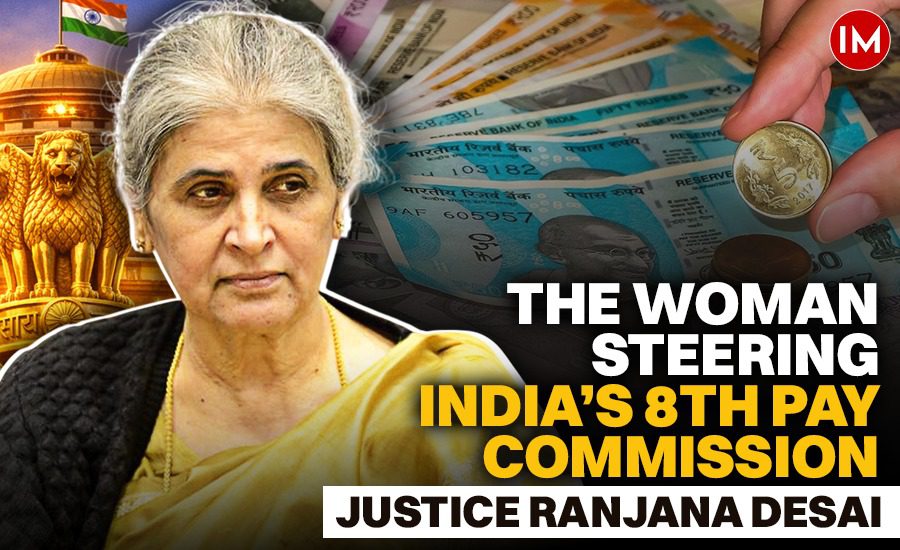
In India’s long judicial history, some careers stand out not just for the positions held, but for the quiet authority with which they are carried. Ranjana Prakash Desai belongs to that rare league. From courtrooms in Mumbai to the highest constitutional benches, and now to shaping the future of government pay structures, her journey reflects discipline, clarity, and a steady commitment to public service.
Today, she holds a historic role – heading the Eighth Central Pay Commission, becoming the first woman ever to lead a Central Pay Commission in India. It is not just a position. It is a milestone in India’s administrative story.
EARLY ROOTS, STRONG FOUNDATIONS
Born on October 30, 1949, in Mumbai, Desai grew up in a home where law was part of everyday life. Her father, S. G. Samant, was a respected criminal lawyer. The influence was natural, but her path was her own.
Read Also: Who Is ‘Hon’ble’ in India? Allahabad High Court Explains Who Qualifies and Why It Matters in Law
She studied at Elphinstone College, completing her Bachelor of Arts in 1970. She then pursued law at Government Law College Mumbai, graduating in 1973. These years shaped her thinking—sharp, grounded, and practical.
LEARNING THE LAW FROM THE GROUND UP
Desai did not rush into prominence. She built her career step by step. After enrolling as an advocate in 1973, she trained under seasoned lawyers, including S.C. Pratap, and worked closely with her father.
Her early years were intense. She handled both civil and criminal matters. This dual exposure gave her a wide lens—understanding not just the law, but how it touches lives.
By 1979, she had entered public service as an Assistant Government Pleader in the Bombay High Court. In 1983, she became an Additional Public Prosecutor. By 1986, she was handling sensitive preventive detention cases as Special Public Prosecutor.
Each role added weight to her experience. Each case added depth to her judgment.
RISE TO THE BENCH
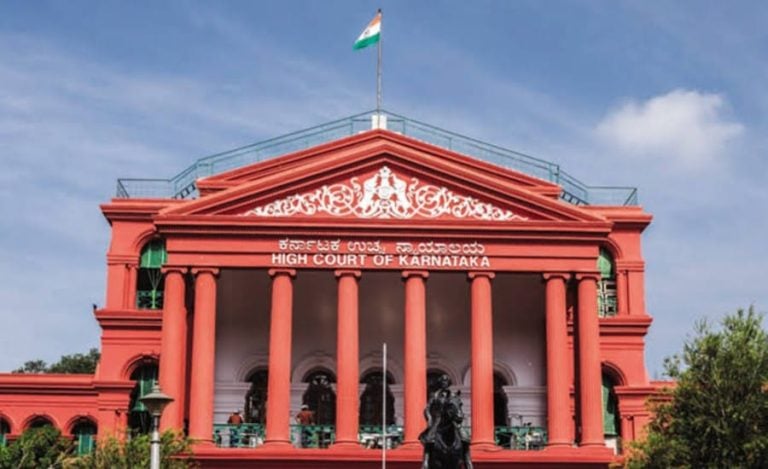
In 1996, Desai’s career took a defining turn. She was appointed as a judge of the Bombay High Court. Two years later, she became a permanent judge.
Her years on the bench were marked by clarity and balance. She was known for being firm, but fair. She listened carefully. She spoke precisely. She believed in the strength of reason over noise.
She served there for over a decade, building a reputation that would eventually take her to the highest court in the country.
AT THE SUMMIT: SUPREME COURT YEARS
In September 2011, she was elevated to the Supreme Court of India. She became the fifth woman judge in its history.
Her tenure may have been brief, but it was impactful. She was part of important rulings that shaped public discourse.
One such judgment directed the gradual end of the Haj subsidy. Another landmark decision introduced the “None of the Above” (NOTA) option in elections. These were not just legal rulings. They reflected a broader vision of accountability and choice in democracy.
She retired in 2014, but her public journey was far from over.
A SECOND ACT IN PUBLIC SERVICE
Post-retirement, Desai stepped into roles that demanded administrative insight. She chaired the Appellate Tribunal for Electricity, dealing with complex regulatory issues in the power sector.
She later headed the Advance Ruling Authority (Income Tax), where decisions directly impacted taxation clarity and investor confidence.
In 2020, she took charge of the Delimitation Commission of India. This was a politically sensitive assignment. Redrawing electoral boundaries, especially in regions like Jammu and Kashmir, required precision and neutrality. Her leadership ensured the process stayed structured and credible.
SHAPING POLICY, SILENTLY
Desai has often worked behind the scenes, but her influence is visible. She chaired the search committee for appointing members to the Lokpal, India’s anti-corruption body.
She also led the committee on the Uniform Civil Code in Uttarakhand, navigating a deeply debated and complex issue. Her approach remained consistent—study deeply, consult widely, and recommend carefully.
As Chairperson of the Press Council of India, she dealt with questions of media ethics and freedom, balancing regulation with democratic values.
THE HISTORIC MANDATE
In 2025, Desai entered a new chapter. She was appointed as the head of the Eighth Central Pay Commission.
This role carries enormous responsibility. The Commission will decide pay structures, pensions, and benefits for millions of government employees. Its recommendations shape not just salaries, but morale and governance efficiency.
Her appointment is historic. She is the first woman to lead a Central Pay Commission in India. It signals a quiet but meaningful shift in representation at the highest levels of policy-making.
A PERSONALITY OF QUIET STRENGTH
Desai is not known for loud statements or public theatrics. Her strength lies in composure. She is methodical. She values discipline. She believes in doing the work, not announcing it.
Colleagues often describe her as firm yet approachable. She asks tough questions, but listens carefully to answers. Her decisions reflect thought, not impulse.
LEGACY IN MOTION
Justice Ranjana Prakash Desai’s journey is not just about the positions she has held. It is about consistency. From a young lawyer in Mumbai to the head of the Eighth Pay Commission, she has stayed anchored in one idea—public service must be fair, thoughtful, and accountable.
Her story continues. And in many ways, it is still unfolding.
Read Also: Digital Courts Explained: Sikkim’s Paperless Judiciary Sets the Blueprint for India