Patna: In a remarkable achievement highlighting the growing appeal of indigenous art and craftsmanship, the souvenir shop at the Bihar Museum has emerged as the highest-selling museum store in the country. Located in Patna, the store generated an impressive revenue of ₹1.71 crore over the past year, marking a significant rise from ₹1.34 crore recorded in the previous financial year (2024–25).
Record-Breaking Growth in Sales
The consistent rise in revenue reflects the growing popularity of the museum store among visitors and tourists. From ₹1.34 crore in 2024–25 to ₹1.71 crore in the latest year, the shop has witnessed substantial growth, positioning itself as a benchmark for museum retail spaces across India.
Officials attribute this success to a carefully curated product range that blends cultural authenticity with contemporary appeal.
A Unique Blend of Tradition and Modern Design
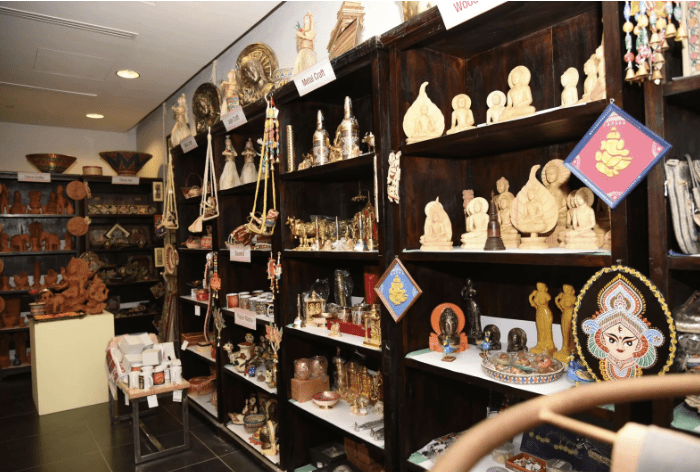
The store serves as a vibrant showcase of Bihar’s rich artistic heritage while catering to modern consumer preferences. It offers a wide array of products, including:
- Everyday items like keychains, pens, diaries, and accessories
- Apparel such as sarees, suits, cotton kurtis, and ‘Modi coats’
- Stylish laptop bags for younger buyers
- Decorative showpieces and wall hangings for home décor
This thoughtful mix of utility and aesthetics has made the store a major attraction for both domestic and international tourists.
Traditional Art Forms Drive Popularity
A key highlight of the store is its strong emphasis on promoting traditional art forms from Bihar. Products featuring Madhubani painting and Mithila art have emerged as top sellers.
Equally popular are handcrafted items made using Sikki grass art, including earrings and eco-friendly jute bags, which have gained significant traction among visitors seeking sustainable and authentic products.
Focus on Handloom and Indigenous Craftsmanship
The shop also features garments made from Bhagalpuri silk and Khadi cotton, reinforcing its commitment to traditional weaving practices.
Particularly noteworthy are the handcrafted ‘Bawan Booti’ Khadi sarees from Nalanda, woven entirely on handlooms. These sarees have received widespread appreciation under the ‘Vocal for Local’ initiative, reflecting a growing consumer preference for handmade and locally sourced products.
Empowering Local Artisans and Communities
Beyond commercial success, the museum shop plays a crucial role in supporting local artisans. It provides them with a platform to showcase their craft and achieve economic empowerment.
In a unique initiative, the store also sells products made by prison inmates, further contributing to rehabilitation and livelihood generation.
Prices for garments such as cotton kurtis and Khadi sarees currently range between ₹700 and ₹7,000, making them accessible to a wide range of customers.
Plans for Expansion and Wider Recognition
According to Ashok Kumar Sinha, the store is not merely a retail outlet but a cultural platform aimed at promoting Bihar’s artistic legacy.
He noted that plans are underway to introduce new products in the near future, with the goal of expanding the store’s reach and enhancing recognition of Bihar’s art and culture at both national and international levels.
What This Success Signals for Cultural Tourism
The success of the Bihar Museum shop reflects a broader trend where cultural institutions are evolving into vibrant economic and tourism hubs. By combining heritage with modern retail strategies, such initiatives are redefining how traditional art is presented and consumed.
As demand for authentic, locally crafted products continues to grow, the museum store’s performance sets a strong example for similar institutions across the country—demonstrating that cultural preservation and commercial success can go hand in hand.
Read also: Saavi Global Sets Up ₹300 Crore Textile & Leather Unit in Madhubani, Boosting ‘Made in Bihar’ Vision