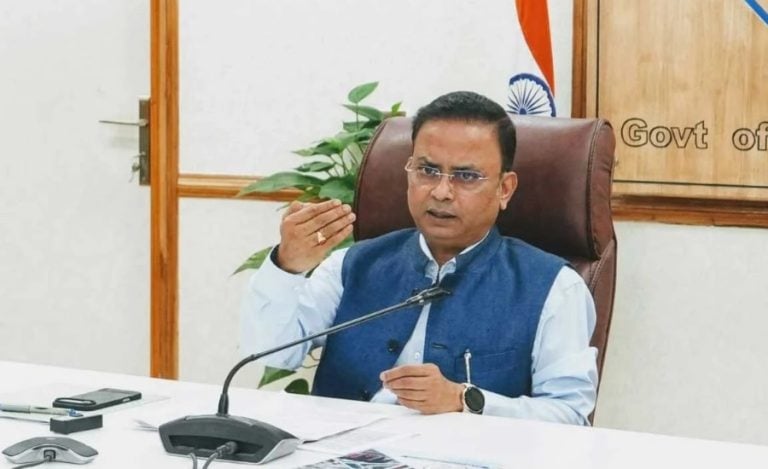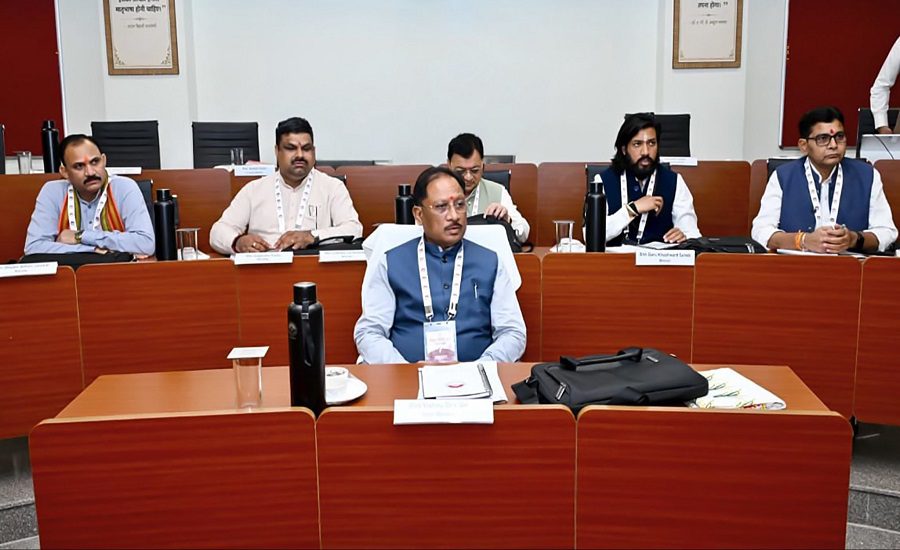
Raipur: The two-day Chintan Shivir 3.0 held to chart a roadmap for making Chhattisgarh a developed state concluded with several key recommendations focusing on tourism, agriculture, technology adoption, and decentralized development planning. Experts emphasized balanced regional growth, greater use of artificial intelligence (AI) in governance, and stronger local participation in development processes.
Bastar Proposed as an International Tourism Hub
One of the major highlights of the discussions was the proposal to develop Bastar as an international tourism destination. Experts noted that the region’s rich tribal culture, natural landscapes, and traditional heritage make it highly suitable for global tourism promotion.
To achieve this, the need for improved infrastructure was strongly emphasized, including:
- Better road connectivity
- Quality hotels and accommodation facilities
- Tourist-friendly services and amenities
- Strong involvement of local communities in tourism activities
The proposed model focuses on responsible and sustainable tourism, ensuring minimal environmental impact while maximizing economic benefits for local residents.
Read also: Chhattisgarh CM Vishnu Deo Sai Launches ₹103 Crore Medical College Expansion Project in Raipur
District-Wise Development Strategy Based on Economic Capacity
A key policy suggestion was the implementation of district-specific development planning. Instead of a uniform approach, each district would be developed according to its:
- Economic strengths
- Resource availability
- Local needs and potential
This model aims to ensure balanced and more effective development across the state, reducing regional disparities and improving overall governance efficiency.
Strong Push for AI in Governance and Public Services
The role of Artificial Intelligence (AI) in improving governance was also a major focus of the summit. Experts suggested that AI can help make government services:
- Faster
- More transparent
- More accessible to citizens
The discussions highlighted how digital transformation can significantly improve administrative efficiency and public service delivery in the state.
Promotion of Natural Farming to Boost Farmers’ Income
The summit also recommended encouraging natural farming practices across Chhattisgarh. The objectives include:
- Increasing farmers’ income
- Reducing dependency on chemical inputs
- Protecting soil health and the environment
- Promoting sustainable agricultural practices
This approach is seen as a long-term strategy for strengthening rural livelihoods.
Government Reforms and Digital Governance Progress
Chief Minister Vishnu Deo Sai highlighted that Chintan Shivir has evolved beyond a discussion platform and is now a key driver of governance reforms in the state.
He pointed out that earlier suggestions from similar forums have already been implemented, including:
- Introduction of the e-Office system
- Launch of the CM Helpline 1076
- Digital delivery of more than 520 services from 36 departments via “Seva Setu”
Future Policy Integration of Recommendations
The Chief Minister assured that the recommendations from Chintan Shivir 3.0 will be quickly reviewed and integrated into policy and administrative decisions.
He emphasized that the state government is committed to using such consultations to strengthen development planning and governance reforms.
Focus on Balanced Growth Through “Sabka Prayas” Model
The summit also discussed a “Sabka Prayas” approach, focusing on participatory development and district-wise GDP evaluation. The idea is to assess and promote development based on:
- Actual performance of each district
- Local economic potential
- Contribution to overall state growth
This model aims to ensure inclusive and performance-driven governance across Chhattisgarh.
Chintan Shivir 3.0 outlined a comprehensive vision for Chhattisgarh’s development, combining tourism expansion, AI-driven governance, sustainable agriculture, and district-level planning. The emphasis on Bastar’s transformation into a global tourism hub and the introduction of data-driven development models reflects a broader push toward balanced and modern state development.