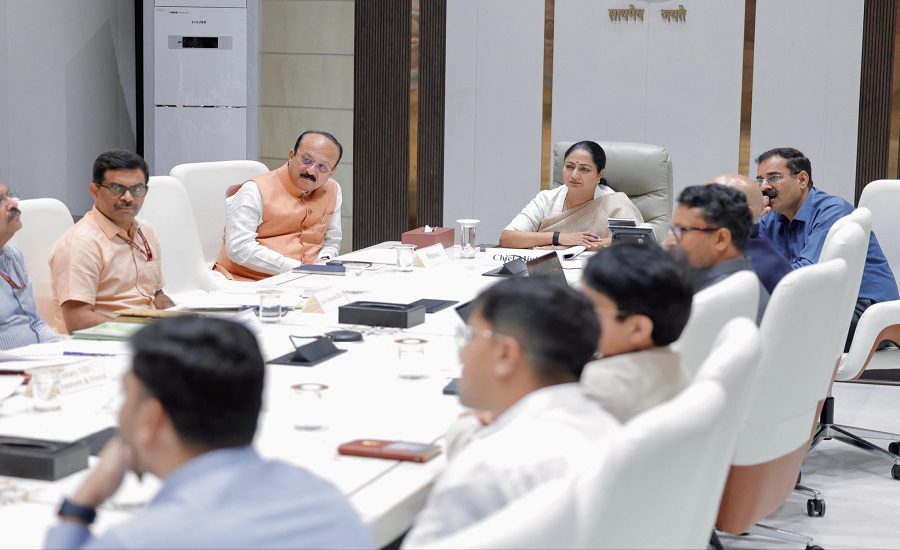
New Delhi: The Delhi Government has taken a major step towards cleaner mobility by approving the Delhi EV Policy 2026, aimed at reducing pollution and accelerating the adoption of electric vehicles across the capital. Chief Minister Rekha Gupta announced on Monday that the Cabinet has cleared the policy, which focuses on building a zero-emission transport system and transforming Delhi into a cleaner, smarter mobility hub.
The policy will officially come into effect from July 1 and will remain valid until March 31, 2030.
Massive Investment Plan to Boost EV Infrastructure
The government has outlined a large-scale financial push to support the transition to electric mobility.
Under the Delhi EV Policy 2026:
- Over ₹7,000 crore will be invested in developing EV infrastructure over the next four years
- Around ₹8,000 crore will be provided as tax exemptions and incentives to EV users
- Total estimated benefits of nearly ₹15,000 crore are expected for citizens
The government stated that this investment is designed to bridge the cost gap between conventional vehicles and electric vehicles while building strong charging and support infrastructure.
Key Restrictions on Petrol and CNG Vehicles
The policy introduces strict future restrictions to accelerate EV adoption in Delhi:
- From January 1, 2027, only electric auto-rickshaws will be registered in Delhi
- From April 1, 2028, registration of new petrol and CNG two-wheelers will be discontinued
Officials said these measures aim to significantly reduce emissions from high-polluting vehicle segments and push rapid electrification in urban transport.
100% Tax and Registration Fee Exemption for EVs
To encourage faster adoption of electric vehicles, the policy offers major financial incentives:
- 100% exemption on road tax and registration fees for all EVs
- Benefits applicable to two-wheelers, three-wheelers, four-wheelers, light commercial vehicles, and rural service vehicles
- Eligibility for four-wheelers capped at ₹30 lakh ex-showroom price
The government said these incentives will make EVs more affordable and accessible for a wider population.
Focus on Charging Network and Vehicle Scrappage
The Delhi EV Policy 2026 is not limited to vehicle purchase incentives. It also focuses on building a complete EV ecosystem, including:
- Expansion of EV charging infrastructure across Delhi
- Support for scrapping old polluting vehicles
- Promotion of clean transport technologies and ecosystem development
Officials emphasized that strengthening infrastructure is critical for long-term sustainability of electric mobility.
Aim: Cleaner Air and Reduced Vehicular Pollution
Chief Minister Rekha Gupta said the policy is designed to transform Delhi into a pollution-free and smart transport capital.
She stated that the initiative aligns with the broader vision of reducing emissions and improving air quality in the national capital.
A government-supported study highlighted that:
- 33% of vehicular pollution comes from commercial vehicles
- 46% of emissions are contributed by two-wheelers and three-wheelers
This data has been used to design targeted interventions under the new EV policy.
Policy to Be Implemented After LG Approval
The Chief Minister noted that the policy will be formally implemented after receiving approval from Lieutenant Governor Taranjit Singh Sandhu. She also credited Cabinet ministers Pankaj Kumar Singh, Ashish Sood, and Manjinder Singh Sirsa for their contributions to shaping the policy.
Delhi’s Big Step Towards Electric Mobility
The Delhi EV Policy 2026 marks a significant shift in the capital’s transport strategy, focusing on large-scale EV adoption, infrastructure expansion, and pollution control. With strong financial incentives and future restrictions on fossil-fuel vehicles, the policy aims to accelerate Delhi’s transition towards a cleaner, greener, and more sustainable transport system.