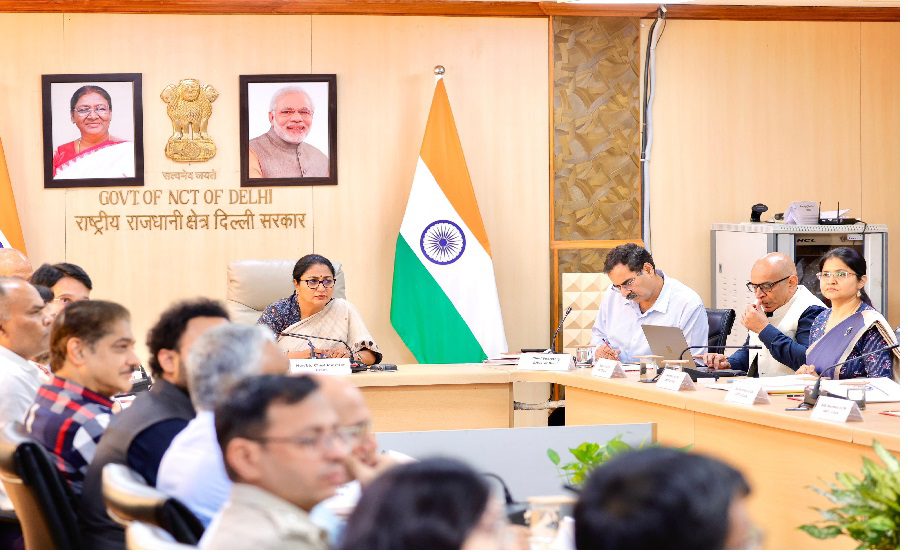
New Delhi: Delhi Chief Minister Rekha Gupta has officially notified the Delhi Electric Vehicle (EV) Policy 2026, a major reform aimed at accelerating green mobility, reducing pollution, and phasing down internal combustion engine (ICE) vehicles in Delhi.
The policy, which came into effect on July 1, 2026, will remain valid until March 31, 2030, and is expected to generate significant investment while transforming the city’s transport ecosystem.
EV Subsidies Announced for Two-Wheelers, Three-Wheelers and Small Commercial Vehicles
Under the new policy framework, the government has introduced direct financial incentives to encourage EV adoption:
- ₹30,000 subsidy for electric two-wheelers
- ₹50,000 subsidy for electric three-wheelers
- ₹1 lakh subsidy for N1 category small commercial vehicles (commonly known as ‘Chota Haathi’)
These subsidies aim to make EV ownership more affordable for both individual buyers and small business operators.
Read also: Delhi CM Rekha Gupta Launches ‘Our Monuments, Our Pride’ Heritage Scheme to Preserve 75 Monuments
Full Road Tax and Registration Fee Exemption for EVs
To further reduce upfront costs, the policy provides a complete waiver of road tax and registration fees for electric vehicles priced below ₹30 lakh.
This exemption is expected to significantly lower the total cost of EV ownership and boost adoption across all segments.
Petrol Vehicle Phase-Out Plan Begins with Future Registration Restrictions
While clarifying public concerns, the government confirmed that existing petrol vehicles will not face immediate bans.
Chief Minister Gupta stated that current vehicle owners can continue using their vehicles until their validity expires.
However, the policy sets a phased restriction timeline:
- From January 2027: No new petrol three-wheeler registrations
- From April 2028: No new petrol two-wheeler registrations
The government emphasized that these measures are aimed at gradually transitioning toward cleaner mobility without affecting existing users.
Scrapping Incentives for Older Polluting Vehicles
The EV policy also introduces scrapping incentives for replacing older vehicles across all major categories:
- Two-wheelers
- Three-wheelers
- Four-wheelers
These incentives are designed to accelerate the removal of high-emission vehicles from Delhi’s roads and promote faster adoption of cleaner alternatives.
Government Projects Over ₹15,000 Crore in Total Benefits
According to official estimates, the Delhi EV Policy 2026 is expected to:
- Attract over ₹7,000 crore in investment over four years
- Deliver more than ₹15,000 crore in combined benefits, including tax exemptions and EV infrastructure development
The government views this as a major economic and environmental reform initiative.
Government Stresses Urgency of Pollution Reduction and Transport Reform
Highlighting the urgency of environmental action, Chief Minister Gupta said transport emissions remain one of the biggest contributors to air pollution in the capital.
She emphasized that coordinated efforts between the government and citizens are essential to make Delhi cleaner and pollution-free, calling the policy a significant step toward long-term environmental reform.
Policy Valid Until 2030 with Long-Term Green Mobility Vision
The Delhi EV Policy 2026 reflects a structured long-term roadmap for transitioning the capital toward sustainable transportation, combining subsidies, regulatory restrictions, and infrastructure investment to reshape mobility in the coming years.