New Delhi: Delhi is set to witness a major urban transformation in the coming years as the city moves towards becoming a sustainable, modern, and environmentally friendly capital. Facing challenges such as rapid population growth, traffic congestion, air pollution, and housing shortages, Delhi is preparing a comprehensive development roadmap focused on improving infrastructure, environmental protection, and economic growth.
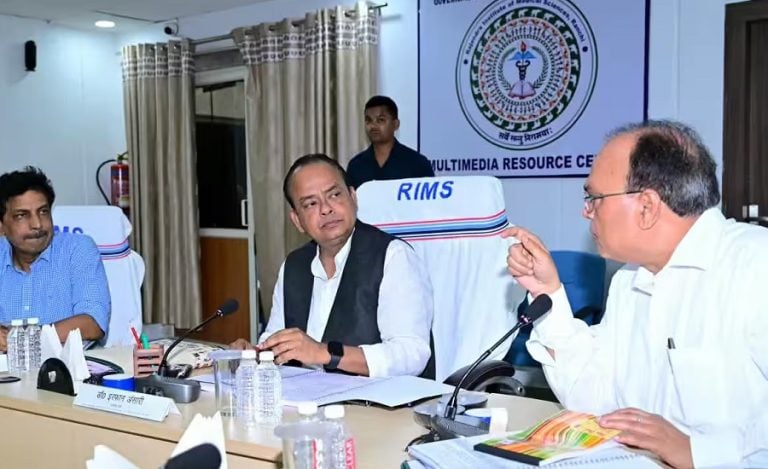
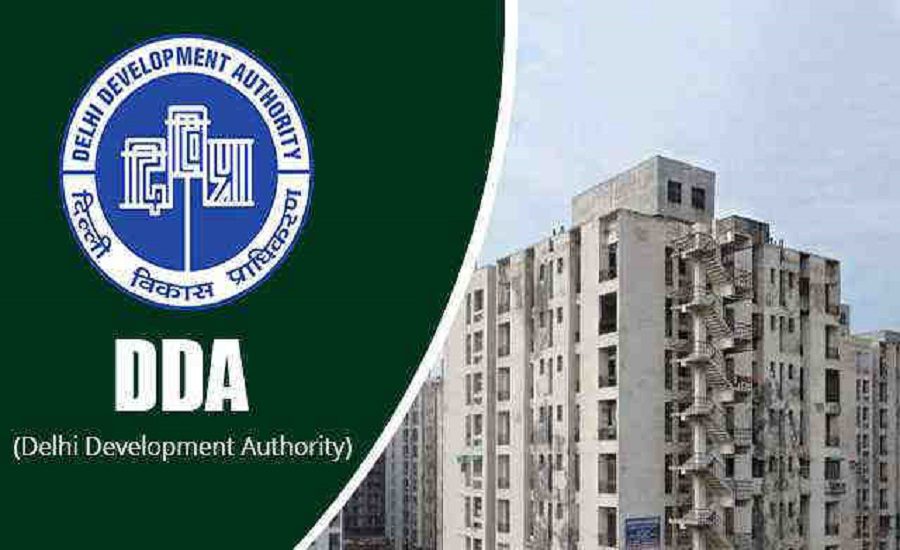
The vision was discussed in detail during a recent meeting of the Delhi Development Authority (DDA) Advisory Council, chaired by Lieutenant Governor Vinai Kumar Saxena. The plan focuses on creating a future-ready city with better housing, improved mobility, greener spaces, and enhanced quality of life for residents.
Housing Crisis and Unauthorised Colonies to Get Major Focus
One of the key issues discussed during the meeting was Delhi’s growing housing challenge.
Officials highlighted that demand for affordable housing is increasing rapidly, while supply has not grown at the same pace. The expansion of slum areas, rehabilitation of residents, and redevelopment of unauthorised colonies were also identified as major priorities.
The DDA is planning strategies to improve infrastructure and provide better urban facilities in colonies that have been awaiting regularisation for a long time.
Read also: Delhi Govt Launches Mission 70 Lakh Plantation Drive to Boost Green Cover and Restore Nature
Delhi’s Future Development Based on Four Key Pillars
The DDA’s ambitious development plan is built around four major pillars:
- Improved housing facilities
- Modern transportation systems
- Environmental conservation
- Preservation and promotion of heritage
Officials believe that balanced development across these sectors can help Delhi emerge as a world-class city capable of meeting future urban challenges.
Steps Planned to Reduce Traffic Congestion and Pollution
Traffic congestion and air pollution remain among Delhi’s biggest urban challenges. The new development roadmap focuses on creating solutions to improve mobility and reduce environmental pressure.
The plan also addresses issues including:
- Waterlogging during monsoon seasons
- Heat island effects caused by increasing concrete structures
- Unplanned development in low-density areas
Authorities stated that timely action is necessary to ensure sustainable and balanced growth of the capital.
Green Delhi Mission and Yamuna Riverfront Development
Environmental protection has been given a central role in the DDA’s future vision.
The authority aims to increase per capita green space in Delhi and make the city one of the leading capitals in terms of urban greenery.
A major highlight of the plan is the development of the Yamuna Riverfront, which aims to transform areas along the river into attractive public spaces while improving ecological conditions.
The plan also includes initiatives for:
- Water conservation
- Long-term water security
- Expansion of green zones
Focus on Safer Roads and Better Quality of Life for Citizens
The DDA’s roadmap also aims to improve the overall living experience of Delhi residents.
The authority plans to strengthen disaster management systems to deal effectively with urban emergencies and natural challenges.
Efforts will also be made to make roads safer and more accessible for:
- Pedestrians
- Cyclists
- Vehicle users
The objective is to create a city that offers safer mobility and better public spaces for all citizens.
Redevelopment of Markets, Business Centres and Heritage Areas
Economic development is another important component of Delhi’s urban transformation plan.
The DDA plans to redevelop old markets and commercial centres to boost business activities. Modern logistics hubs will also be developed to improve goods transportation and support trade growth.
Along with economic development, Delhi’s historical buildings and cultural heritage sites will be preserved and promoted as important centres for tourism and economic opportunities.
TOD and Land Pooling Models to Transform Urban Expansion
To manage future expansion in a planned manner, the DDA is preparing to adopt the Transit-Oriented Development (TOD) model.
Under this approach, around 207 square kilometres of area near major public transport corridors will be developed through planned urban growth.
Additionally, more than 200 square kilometres of land has been identified under the Land Pooling Policy to meet future residential and commercial requirements.
These initiatives aim to create organised development while reducing pressure on existing urban areas.
Yamuna Riverfront Project to Create New Identity for Delhi
One of the most ambitious projects in the DDA roadmap is the Yamuna Riverfront development under Zone-O, covering nearly 100 square kilometres.
Once completed, the project is expected to become a major example of environmental restoration and urban redevelopment.
Officials believe that the riverfront project can transform the Yamuna area into a new landmark for Delhi while providing recreational spaces and improving ecological conditions.
Delhi’s Vision for a Modern and Sustainable Future
The DDA’s long-term development strategy aims to transform Delhi into a city that balances infrastructure growth with environmental sustainability.
With focus on affordable housing, cleaner transport, green spaces, heritage conservation, and planned urban expansion, the roadmap seeks to improve the quality of life for millions of residents.
If implemented successfully, the plan could reshape Delhi into a more modern, organised, greener, and resilient global capital in the coming years.