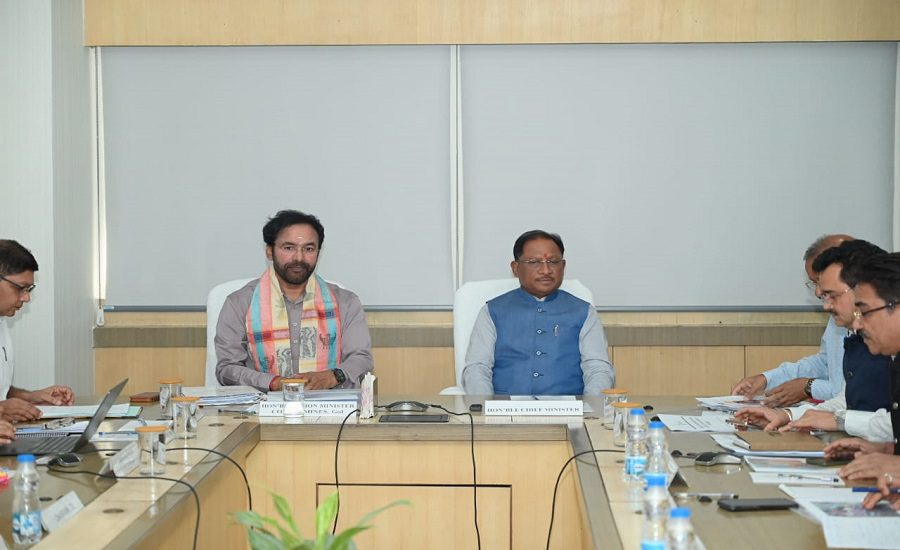
New Delhi: India is moving ahead with plans to establish four critical mineral processing plants in Odisha, Gujarat, Telangana, and Maharashtra under the National Critical Mineral Mission (NCMM).
The move aims to strengthen India’s domestic mineral supply chain, reduce import dependence, and support industries such as electric vehicles (EVs), semiconductors, renewable energy, defence manufacturing, and advanced electronics.
The announcement was made by Union Coal and Mines Minister G. Kishan Reddy, highlighting the government’s strategy to build a self-reliant critical minerals ecosystem.
What Are Critical Minerals
Critical minerals are essential raw materials used in:
- Electric vehicle batteries
- Solar panels
- Wind turbines
- Semiconductors
- Defence equipment
- Smartphones and electronics
- Aerospace manufacturing
Some important critical minerals include:
- Lithium
- Cobalt
- Nickel
- Graphite
- Rare Earth Elements (REEs)
Read also: NITI Aayog Launches National Roadmap to Make India a Global Leader in Quantum Technologies
These minerals are considered strategic because modern technologies and clean energy systems depend heavily on them.
Why Is India Setting Up Critical Mineral Processing Plants
India currently imports a significant portion of processed critical minerals and rare earth products.
The government wants to:
- Reduce dependence on imports
- Strengthen domestic manufacturing
- Secure supply chains
- Support the EV industry
- Boost semiconductor production
- Enhance defence preparedness
- Create jobs and investments
According to government officials, having access to minerals alone is not enough. Processing and refining facilities are necessary to convert raw minerals into usable industrial materials.
Critical Mineral Processing Plants: States Selected For The Processing Plants
The proposed processing plants will be developed in:
Odisha
Odisha has rich mineral reserves and an established mining ecosystem. The state already hosts important rare earth and mineral processing facilities.
Gujarat
Gujarat offers strong port connectivity, industrial infrastructure, and logistics support, making it a strategic location for mineral value chains.
Telangana
The state has emerged as a major manufacturing and technology hub, making it suitable for advanced mineral processing facilities.
Maharashtra
Maharashtra’s strong industrial base and growing manufacturing sector make it an important part of India’s critical minerals strategy.
What Did Union Minister G. Kishan Reddy Say?
Speaking about the National Critical Mineral Mission, Union Coal and Mines Minister G. Kishan Reddy said the government has:
- Identified separate mining blocks for critical minerals
- Conducted large-scale auctions
- Accelerated exploration activities
- Signed international agreements to secure supplies
- Planned new processing infrastructure
He expressed confidence that India will see major progress in the critical minerals sector within the next year.
What is National Critical Mineral Mission
The National Critical Mineral Mission was launched to strengthen India’s mineral security and reduce import dependence.
Main Objectives
- Increase domestic exploration
- Develop mining capabilities
- Build processing and refining infrastructure
- Promote recycling of critical minerals
- Secure overseas mineral assets
- Strengthen global partnerships
The mission has received significant government funding and support from public sector companies.
Importance For India’s Economy
The four processing plants are expected to:
Support Electric Vehicle Growth
India’s EV industry requires lithium, nickel, cobalt, and rare earth materials for batteries and motors.
Boost Semiconductor Manufacturing
Critical minerals are key components in semiconductor fabrication and electronics manufacturing.
Strengthen Clean Energy Goals
Solar panels, wind turbines, and energy storage systems depend on processed critical minerals.
Improve Defence Readiness
Many advanced defence technologies require rare earth elements and strategic minerals.
International Partnerships Growing
India has also been expanding cooperation with international partners to secure mineral supplies.
Recent agreements with major global partners aim to:
- Secure critical mineral supply chains
- Encourage investment
- Promote technology sharing
- Reduce dependence on single-country suppliers
These partnerships are becoming increasingly important as global competition for critical minerals grows.