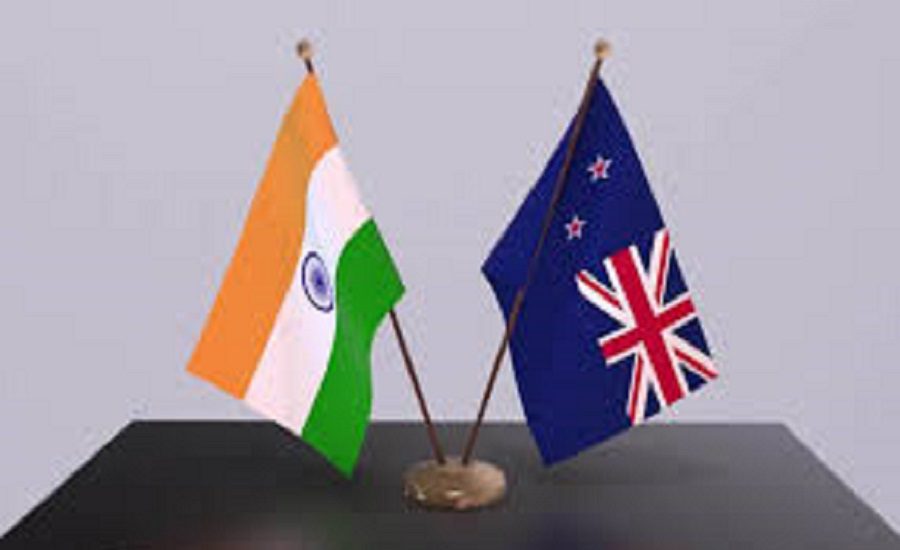
New Delhi: The India–New Zealand Free Trade Agreement (FTA) marks a historic milestone in global trade relations, opening a new chapter of economic cooperation between the two nations. Signed on April 27, 2026, in New Delhi, this landmark deal is expected to boost trade, investment, and job creation while strengthening India’s global economic partnerships.
The agreement provides 100% duty-free access for Indian exports to New Zealand and aims to significantly increase bilateral trade in the coming years.
What is the India New Zealand Free Trade Agreement 2026
The India–New Zealand FTA is a comprehensive trade pact designed to improve trade in goods and services, encourage investments, and promote talent mobility between the two countries.
- Signed by Commerce Minister Piyush Goyal and New Zealand Trade Minister Todd McClay
- Described as a “once-in-a-generation” agreement by New Zealand leadership
- Aims to deepen economic ties and reduce trade barriers
This agreement reflects India’s strategy to expand its trade partnerships globally and strengthen its position in the Indo-Pacific region.
Key Highlights of the India New Zealand Free Trade Agreement
1. 100% Duty-Free Access for Indian Exports
- All Indian goods exported to New Zealand will face zero tariffs
- Covers sectors like textiles, leather, engineering goods, and pharmaceuticals
- Major boost for labour-intensive industries
2. Market Access for New Zealand
- India offers access to around 70% tariff lines covering 95% of NZ exports
- Gradual tariff reductions to protect domestic industries
Investment and Economic Growth
- New Zealand has committed $20 billion investment in India over 15 years
- Focus areas: agriculture, infrastructure, startups, and emerging technologies
- Target to double bilateral trade to $5 billion within 5 years
This investment will support India’s long-term economic growth and job creation.
Boost for Services and Professionals
The agreement strongly supports India’s services sector:
- Covers 118 service sub-sectors, including IT, telecom, tourism, and professional services
- Easier movement for professionals and skilled workers
- Around 5,000 work opportunities annually for Indians
Opportunities for Youth, Students and Startups
- Post-study work visas and professional pathways in New Zealand
- Increased opportunities for Indian startups and service enterprises
- Strong push for talent mobility and global exposure
This makes the deal highly beneficial for young professionals and students.
Protection for Farmers and Domestic Industry
India has carefully protected sensitive sectors:
- Dairy, edible oils, and key agricultural products excluded
- Safeguards for farmers and rural economy
- Balanced approach to avoid market disruption
Sector-Wise Benefits
Industries That Gain the Most
- Textiles and apparel
- Leather and footwear
- Pharmaceuticals
- Engineering goods
- Processed food
These sectors will enjoy better market access and increased exports.
Strategic Importance of the India New Zealand Free Trade Agreement
- Strengthens India’s position in the Indo-Pacific region
- Helps diversify export markets
- Reduces dependency on limited global partners
- Enhances economic diplomacy
The agreement comes at a time when global trade is shifting, making such partnerships more important than ever.
Official Statement and Vision
According to official statements, the agreement aims to:
- Promote mutually beneficial growth
- Strengthen people-to-people ties
- Create new business opportunities
- Support MSMEs, farmers, and entrepreneurs
It reflects a long-term vision of sustainable and inclusive economic development.