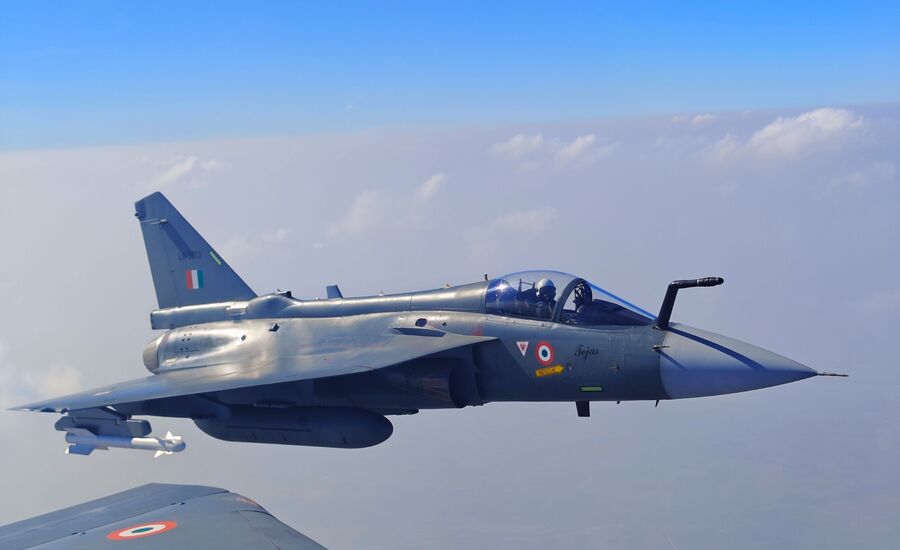
New Delhi: The Tejas Mk1A Uttam AESA radar integration delay has become a key development in India’s defence aviation program. Hindustan Aeronautics Limited (HAL) has decided to postpone the integration of the indigenous Uttam AESA radar into the first batch of Tejas Mk1A jets.
Instead, the first 83 aircraft will continue using the Israeli EL/M-2052 radar to prevent further delivery delays.
Details of Tejas Mk1A Uttam AESA Radar Integration Delay
HAL’s move is mainly aimed at keeping the Tejas Mk1A delivery timeline on track.
- The Uttam radar is still under development and testing
- Integrating it now could delay aircraft production
- The Indian Air Force (IAF) urgently needs new fighter jets
- Using a proven radar helps avoid technical risks
Read also: Explained: Why Is IAF Willing to Compromise on Tejas Mk1A’s Key Combat System?
The decision ensures that production and induction of aircraft are not slowed down.
What is Uttam AESA Radar?
The Uttam AESA radar is a major indigenous defence technology project.
- Developed by the Defence Research and Development Organisation (DRDO)
- Designed for advanced tracking and targeting
- Can detect multiple targets at long range
- Improves combat capability of fighter jets
It is expected to replace foreign radars in future Tejas variants.
What Will Happen to the First 83 Tejas Mk1A Jets?
- All 83 jets in the first order will use EL/M-2052 radar
- This radar is already tested and operational
- Helps HAL deliver jets faster to the IAF
This ensures no further delays in India’s fighter jet program.
What About Future Tejas Orders?
- Uttam AESA radar will likely be integrated in the second batch of Tejas Mk1A
- Future variants may fully rely on indigenous systems
- This supports India’s “Make in India” defence push
Impact on Indian Air Force
- Faster delivery of Tejas Mk1A jets
- Immediate boost to squadron strength
- No compromise on operational readiness
The IAF benefits from timely aircraft delivery without waiting for new technology integration.
Big Picture: Indigenous vs Immediate Needs
This decision reflects a balance between:
- Short-term goal: Deliver jets quickly
- Long-term goal: Achieve full indigenous capability
India continues to invest in homegrown defence tech while ensuring military readiness.