Kalpakkam/New Delhi: World’s first nuclear-powered hydrogen production facility has been inaugurated in India, marking a major step in clean energy innovation. The new demonstration plant at the Indira Gandhi Centre for Atomic Research (IGCAR), Kalpakkam, produces hydrogen using nuclear heat instead of fossil fuels. The project highlights India’s growing strength in advanced nuclear technology and supports the country’s long-term clean energy goals.
Details of Nuclear-Powered Hydrogen Plant
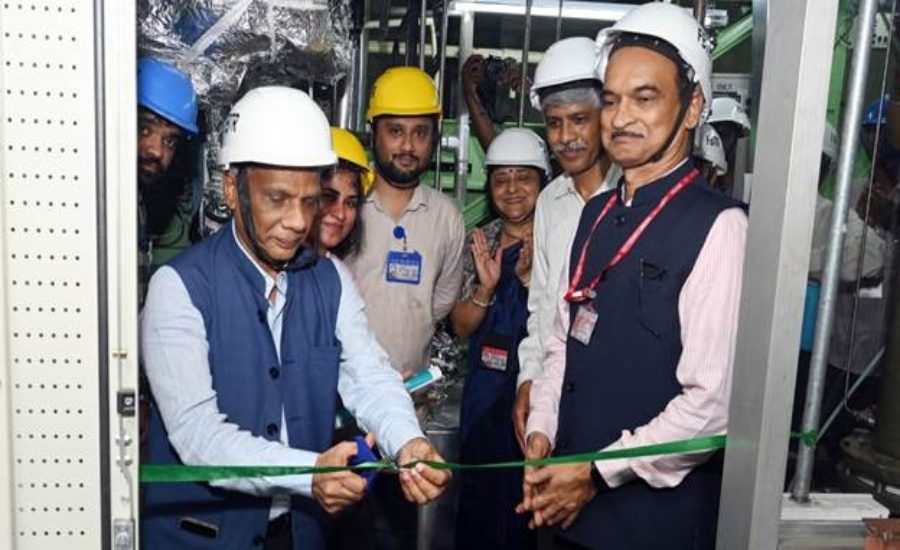
The Department of Atomic Energy (DAE) officially inaugurated the world’s first hydrogen production facility based on the Copper-Chlorine (Cu-Cl) Thermochemical Cycle powered by nuclear process heat.
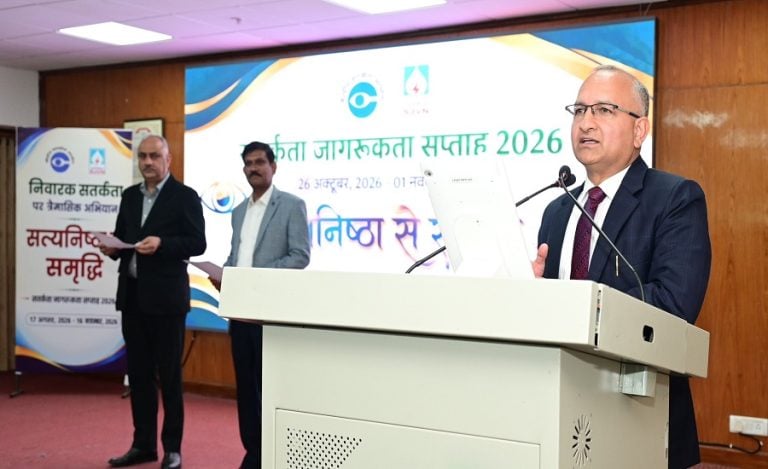
The facility was inaugurated by DAE Secretary and Atomic Energy Commission Chairman Ajit Kumar Mohanty at IGCAR in Kalpakkam, Tamil Nadu.
How the Nuclear-Powered Hydrogen Plant Works
Unlike conventional hydrogen production that often depends on fossil fuels, this facility uses heat generated by the Fast Breeder Test Reactor (FBTR).
The hydrogen is produced through the Copper-Chlorine thermochemical process, a technology developed by the Bhabha Atomic Research Centre (BARC). This method operates at lower temperatures than many other thermochemical cycles, making it more energy-efficient.
Why This Project Is Important
The project demonstrates that nuclear energy can be used not only to generate electricity but also to produce carbon-free hydrogen.
Hydrogen is expected to play a major role in the future of clean transportation, industries, and energy storage. Using nuclear heat can reduce greenhouse gas emissions and lower dependence on fossil fuels.
Built with Indian Technology
Scientists and engineers from BARC and IGCAR jointly designed, developed, tested, and commissioned the demonstration plant. The facility will help researchers improve the technology and gather operational experience before moving toward commercial-scale hydrogen production.
Official Statement
Ajit Kumar Mohanty said that combining nuclear energy with hydrogen production is an important step toward India’s clean energy future. He also praised the scientists and engineers whose work made the world’s first nuclear-assisted hydrogen production facility possible.