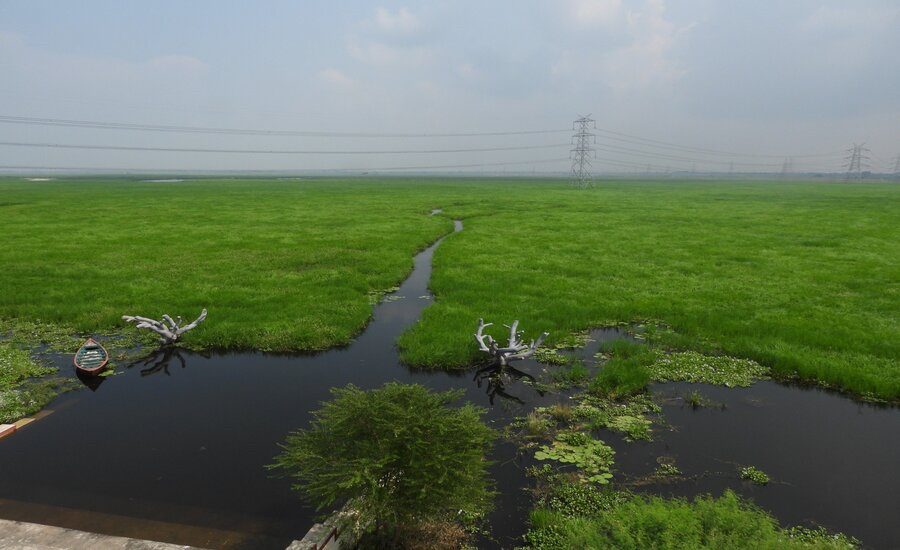
New Delhi: Marking a significant achievement in environmental conservation on World Environment Day, India has added the Jai Prakash Narayan Bird Sanctuary (Surha Tal) in Uttar Pradesh’s Ballia district to the prestigious list of Wetlands of International Importance under the Ramsar Convention, making it the country’s 100th Ramsar Site.
The designation places the Ballia wetland among the world’s most ecologically significant wetlands and reinforces India’s growing leadership in wetland conservation. Globally, the sanctuary becomes the 2,595th Ramsar Site, joining an international network of protected wetlands recognized under the 1971 Ramsar Convention.
The announcement coincided with World Environment Day celebrations and was welcomed by Prime Minister Narendra Modi, who described the recognition as a reflection of India’s unwavering commitment to protecting natural ecosystems and biodiversity.
Prime Minister Modi Celebrates the Achievement
Reacting to the announcement, Prime Minister Narendra Modi said India’s journey to reaching 100 Ramsar Sites demonstrates the country’s dedication to environmental protection and wetland conservation.
In a post on social media platform X, the Prime Minister stated:
“A century as far as Ramsar sites are concerned! Glad that the Jai Prakash Narayan Bird Sanctuary (Surha Tal) in Ballia, Uttar Pradesh has been designated as India’s 100th Ramsar site.”
He highlighted the sanctuary’s rich avian biodiversity and its importance as a habitat for both migratory and resident bird species.
The Prime Minister further noted that conservation efforts over the years have been strengthened through community participation, scientific interventions, innovation, and awareness campaigns.
According to him, these initiatives are helping preserve biodiversity, maintain ecological balance, and create a greener future for coming generations.
A century as far as Ramsar sites are concerned!
— Narendra Modi (@narendramodi) June 5, 2026
Glad that the Jai Prakash Narayan Bird Sanctuary (Surha Tal) in Ballia, Uttar Pradesh has been designated as India’s 100th Ramsar site. This wetland is rich in avifaunal biodiversity, attracting several migratory and resident… pic.twitter.com/HENtPJoRnt
About Jai Prakash Narayan Bird Sanctuary (Surha Tal)
Located in Ballia district of Uttar Pradesh, the Jai Prakash Narayan Bird Sanctuary, popularly known as Surha Tal, is a freshwater wetland situated in the middle stretch of the Ganga River Basin.
The wetland was originally formed from a meander of the Ganga River and receives freshwater inflows through three separate channels, making it a vital ecological system in eastern Uttar Pradesh.
The surrounding landscape includes:
- Floodplains
- Marshlands
- Seasonally inundated areas
- Agricultural fields, particularly rice paddies
Its hydrological characteristics make it an important habitat for numerous aquatic and terrestrial species.
Critical Refuge for Migratory and Resident Birds
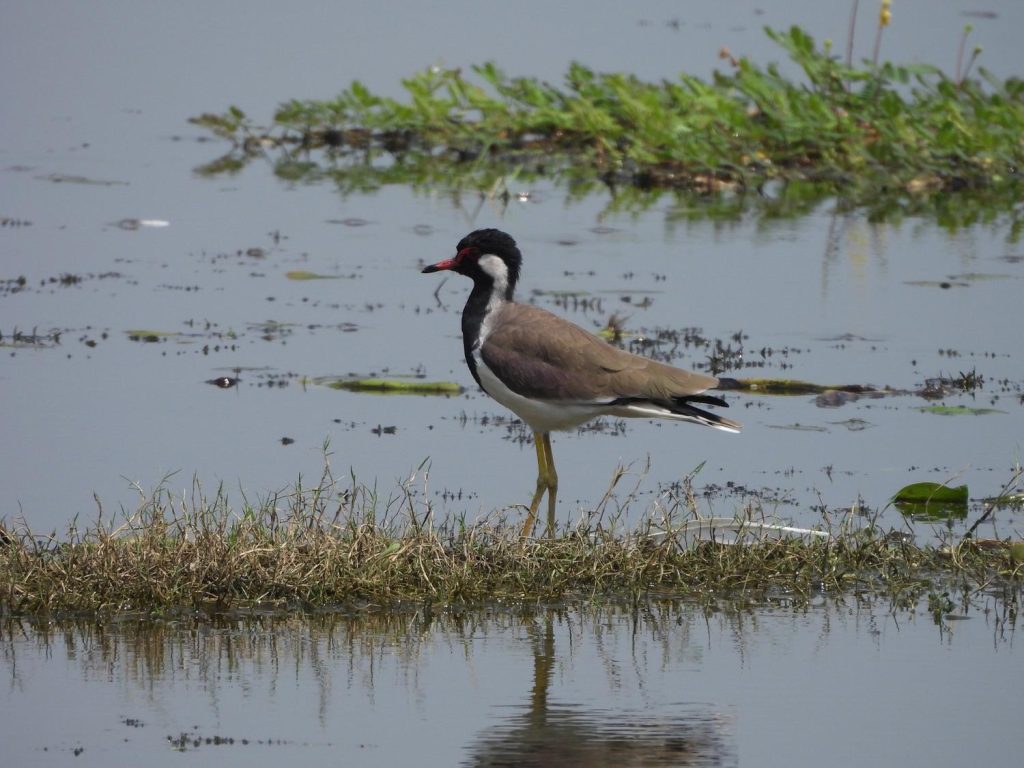
According to the Ramsar Convention Secretariat, Surha Tal serves as a crucial refuge for waterbirds, particularly during summer months when many smaller wetlands across the region dry up.
The sanctuary supports several notable bird species, including:
- Common Pochard (Aythya ferina) – listed as Vulnerable
- Indian River Tern (Sterna aurantia) – facing habitat pressures across its range
The wetland provides feeding, nesting and resting grounds for a wide variety of migratory birds, significantly contributing to avian biodiversity conservation in the Ganga basin.
Rich Biodiversity Beyond Birds
Apart from birdlife, the Ramsar-recognized wetland supports an impressive range of flora and fauna.
According to official records, the sanctuary hosts:
- 221 plant species
- 66 fish species
- 7 reptile species
- 3 amphibian species
Among the notable aquatic species are:
- Wallago attu (Freshwater shark catfish) – Vulnerable
- Bagarius bagarius (Goonch catfish)
The abundance of fish also supports predators such as the Fishing Cat (Prionailurus viverrinus), another vulnerable species that uses the wetland as an important feeding habitat.
Conservation Measures Already in Place
Authorities have implemented multiple conservation measures to safeguard the ecological integrity of the wetland.
To tackle overfishing and unsustainable harvesting of aquatic resources, management interventions include:
- Seasonal fishing regulations
- Restrictions on destructive fishing practices
- Monitoring of aquatic biodiversity
- Community participation in conservation activities
These measures have played an important role in maintaining the ecological health of the wetland while supporting local livelihoods.
India Now Leads Asia in Ramsar Sites
With the addition of Jai Prakash Narayan Bird Sanctuary, India now has 100 Ramsar Sites, the highest number in Asia.
Globally, India ranks:
- United Kingdom – 176 Ramsar Sites
- Mexico – 144 Ramsar Sites
- India – 100 Ramsar Sites
The achievement is particularly significant considering that India had only 26 Ramsar Sites in 2014.
Over the past eleven years, the country has added 74 new Ramsar Sites, including 58 sites in the last four years alone, reflecting an accelerated focus on wetland conservation.
Why Wetlands Matter
Wetlands are among the planet’s most productive ecosystems and perform a range of essential environmental functions.
They help in:
- Flood mitigation
- Groundwater recharge
- Water purification
- Climate regulation
- Carbon sequestration
- Biodiversity conservation
- Livelihood support for local communities
Experts note that wetlands are critical buffers against climate change and environmental degradation, making their protection increasingly important.
About the Ramsar Convention
The Ramsar Convention on Wetlands was adopted in 1971 in the Iranian city of Ramsar.
The international treaty provides a framework for the conservation and wise use of wetlands across the world.
Today, the convention has 172 member countries, including India, working collectively to protect ecologically significant wetland ecosystems.
The designation of a wetland as a Ramsar Site recognizes its international importance and commits participating countries to its sustainable management and conservation.
A Significant Step Towards Environmental Sustainability
The inclusion of Jai Prakash Narayan Bird Sanctuary in the Ramsar list represents another milestone in India’s environmental conservation journey. As wetlands continue to face pressures from urbanization, pollution and climate change, such recognitions are expected to strengthen protection measures and enhance public awareness regarding the importance of preserving these critical ecosystems.
The achievement also highlights India’s growing role in global biodiversity conservation and aligns with the country’s broader environmental and sustainability commitments.
Read Also: India’s Ramsar Sites Reach New Milestone with Addition of 3 More Wetlands