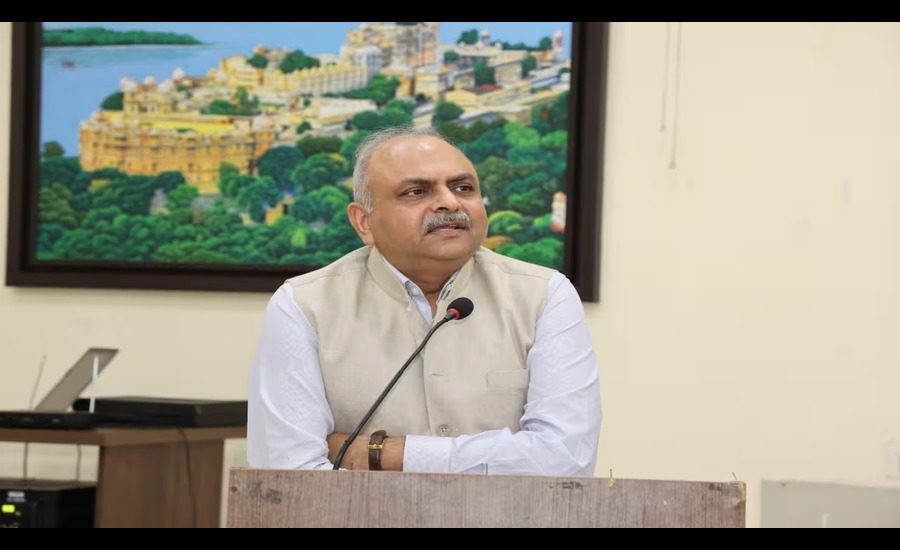
New Delhi: The Union Government has reappointed Ravi Agrawal, an IRS officer of 1988 batch and the Chairman of the Central Board of Direct Taxes (CBDT), on a contract basis for another six months, ensuring continuity at the helm of India’s apex direct tax administration. The Appointments Committee of the Cabinet (ACC) approved his reappointment from July 1, 2026, to December 31, 2026, or until further orders, whichever is earlier.
The decision comes as Agrawal was due to retire on June 30, 2026, after already receiving a one-year service extension last year. The latest move underscores the government’s confidence in his leadership at a time when direct tax collections continue to register strong growth and several tax reforms remain under implementation.
ACC Approves Six-Month Reappointment
According to an official order issued on June 30, 2026, the ACC approved IRS Agrawal’s reappointment as Chairman, CBDT, on a contract basis under the standard terms and conditions applicable to re-employed Central Government officers.
The order stated that the appointment has been made by relaxing the Recruitment Rules, allowing Agrawal to continue leading the country’s direct tax administration until December 31, 2026 or until further orders.
The reappointment takes effect from July 1, 2026.
Continuity at the Top of India’s Direct Tax Administration
The decision ensures continuity in the functioning of the Central Board of Direct Taxes, the apex policymaking body under the Department of Revenue, Ministry of Finance.
CBDT is responsible for:
- Administration of the Income Tax Department
- Formulation of direct tax policies
- Improving taxpayer services
- Strengthening tax compliance
- Implementing tax reforms
- Coordinating international taxation matters
The Board is headed by a Chairman and can have up to six Members, each holding the rank of Special Secretary to the Government of India.
Comes After Earlier One-Year Extension
Mr Agrawal, a 1988-batch Indian Revenue Service (Income Tax) officer, had originally been appointed as CBDT Chairman in July 2024, succeeding Nitin Gupta.
He subsequently received a one-year extension from July 1, 2025, to June 30, 2026.
With the expiry of that extended tenure, the Centre has now approved another six-month reappointment on a contractual basis.
Strong Tax Collections During His Tenure
The extension comes amid robust growth in India’s direct tax collections.
According to the Income Tax Department, net direct tax collections increased by 14.64% year-on-year, reaching approximately ₹5.21 lakh crore during the period between April 1 and June 17 of the current financial year.
Officials believe administrative continuity at the top of CBDT will help maintain the momentum of ongoing reforms and revenue collection efforts.
Why the Government Chose Continuity
The decision to retain Ravi Agrawal is being viewed as significant for multiple reasons.
Sustained Tax Reforms: CBDT continues to implement reforms aimed at simplifying tax administration, increasing voluntary compliance and improving taxpayer services.
Stable Leadership: With several technology-driven initiatives underway, continuity in leadership is expected to facilitate smoother implementation of policy decisions.
Strong Revenue Performance: India has witnessed healthy double-digit growth in direct tax collections under Agrawal’s leadership, strengthening the government’s fiscal position.
Ongoing Modernisation: CBDT is pursuing digital transformation, automation of tax processes and enhanced taxpayer experience, making continuity particularly important.
Speculation Over Further Extension: Interestingly, a section of the bureaucracy had expected Ravi Agrawal to receive a longer extension.
Many observers believed that after receiving a nine-month contractual appointment in 2024 and a one-year extension in 2025, he could be retained till June 2027.
However, the government has currently approved a six-month extension, leaving open the possibility of further decisions closer to December.
Seniority Position in CBDT
Following Ravi Agrawal, the senior-most officer in CBDT is:
- Pankaj Kumar Mishra (IRS-IT:1989)
He reportedly has around four months of active service remaining, making succession planning an important consideration for the government.
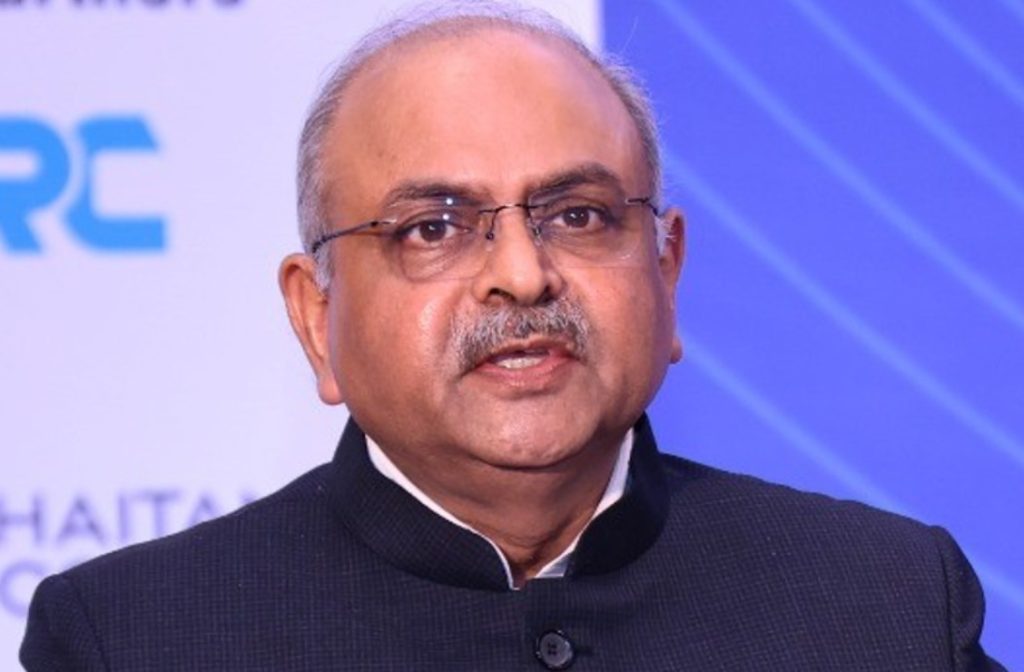
Who Is Ravi Agrawal?
Mr Agrawal is a distinguished 1988-batch Indian Revenue Service (IRS) officer who has served in various important positions across taxation, governance and public administration over nearly four decades.
He is regarded as one of the key architects of several recent tax administration reforms and digital initiatives within the Income Tax Department.
Educational Background
Before joining the civil services, Ravi Agrawal pursued technical education.
His academic qualifications include:
- B.Tech
- M.Tech
His engineering background has played a significant role in driving technology-led reforms within the Income Tax Department.
Career Timeline
Early Career
Agrawal has over 38 years of public service, including:
- Around 29 years in the Income Tax Department
- Nearly nine years across other Central Government assignments
July 2023: Appointed as Member (Administration), CBDT. In this role, he supervised personnel management, administrative reforms and organisational restructuring within the Board.
July 1, 2024: Appointed Chairman, Central Board of Direct Taxes, succeeding Nitin Gupta.
July 2025: Received a one-year extension till June 30, 2026.
July 1, 2026: Reappointed by the ACC for another six months, continuing as CBDT Chairman till December 31, 2026.
Major Areas of Expertise
Throughout his distinguished career, Ravi Agrawal has worked extensively in:
- Direct Tax Policy
- Income Tax Administration
- Legislative Reforms
- Digital Governance
- Taxpayer Services
- International Taxation
- E-Governance
- Public Administration
- Environmental Governance
- Disinvestment
- Education Sector Administration
Key Achievements as CBDT Chairman
Under Mr Agrawal’s leadership, CBDT has focused on modernising India’s direct tax ecosystem.
Major initiatives include:
Digital Transformation: Accelerated technology adoption across tax administration through digital platforms and automation.
Better Taxpayer Services: Improved grievance redressal mechanisms, faster processing of tax refunds and enhanced online services.
Tax Compliance: Strengthened voluntary tax compliance while simplifying procedures.
Vivad Se Vishwas: Played a key role in implementing structured dispute resolution mechanisms under the Vivad Se Vishwas Scheme.
International Tax Cooperation: Expanded India’s engagement in global taxation matters and international information-sharing mechanisms.
Record Revenue Collections: Oversaw sustained growth in direct tax collections with consistent double-digit annual increases.
Significance of the Extension
The government’s decision to retain Ravi Agrawal ensures leadership continuity during a crucial period for India’s fiscal management.
With major reforms, increasing digitalisation, improved compliance frameworks and steady revenue growth, CBDT remains central to India’s economic governance.
The six-month extension also provides stability as the government continues to strengthen tax administration while balancing revenue mobilisation with taxpayer-friendly reforms.