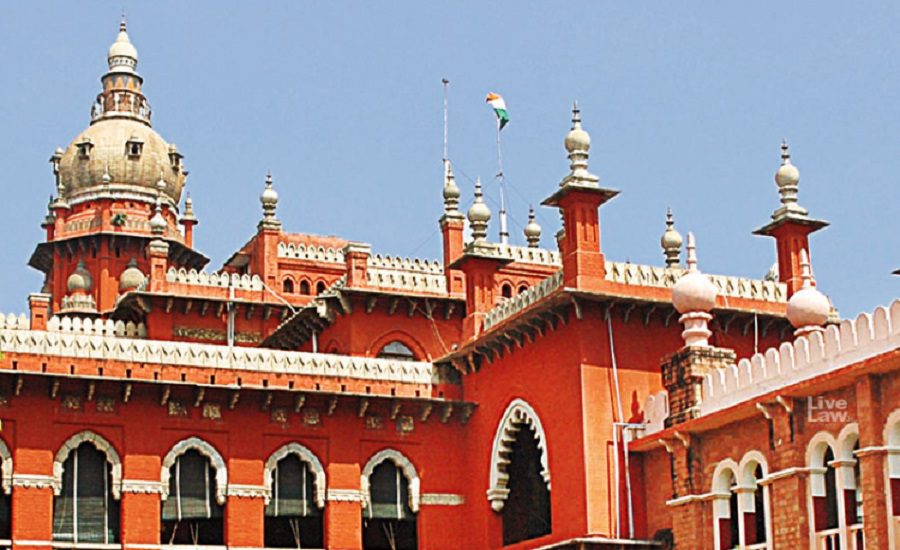
Chennai: Madras High Court has made it clear that no one can pollute rivers in the name of religion. While hearing a case related to the Thamirabarani River in Tamil Nadu, the Court said that religious freedom cannot be used as a reason to harm the environment. The judges stressed that protecting clean water is a constitutional duty and asked authorities to find a balanced solution after hearing all stakeholders.
Thamirabarani River Pollution Case: Why Was the Court Concerned
The Court was informed by an environmental activist involved in cleaning the river that at least one tonne of clothes is dumped into the Thamirabarani River every day.
Read also: Madras High Court Orders Tamil Nadu to Submit District-Wise POCSO Court Status Report
A booklet placed before the Court also revealed that between May 7 and May 28, volunteers removed around 86 to 90 tonnes of discarded clothes from the river. The clean-up also recovered:
- 1,385 kg of plastic
- 374 kg of sanitary napkins and diapers
- 220 kg of glass bottles
- 115 kg of slippers
Madras High Court Directives on Thamirabarani River Pollution Case
The Madurai Bench of the Madras High Court was hearing a petition linked to proceedings under the Tamil Nadu Land Encroachment Act concerning a mandapam in Tirunelveli district. During the hearing, the Court observed that thousands of devotees visit the bathing ghats of the Thamirabarani River to perform funeral and ancestral rituals. These ceremonies often involve throwing clothes, towels, slippers and other items into the river.
The Bench clearly stated:
“No one has the right to pollute a water body even in the name of religion.”
Thamirabarani River Pollution Case: Environmental Damage Highlighted
The Bench noted that many discarded clothes are made of polyester, which is not biodegradable. These materials remain trapped in the riverbed, creating breeding grounds for bacteria. The Court also noted that Indian black turtles and Indian flapshell turtles can become entangled in the waste and die from suffocation.
Religious Freedom Has Limits, Says Court
The judges said that Article 25 of the Constitution, which guarantees religious freedom, is subject to public health and environmental protection. The Court added that people are free to follow religious practices as long as those practices do not harm nature or violate the rights of others. It also observed that access to pollution-free water is protected under Article 21 of the Constitution.
Court Does Not Impose Immediate Ban
Although the Bench expressed serious concern, it did not immediately ban the rituals. The Court said the issue involves the religious beliefs of many people. Therefore, all stakeholders should be heard before a final decision is made.
The Tirunelveli District Collector has been directed to issue a public notice, invite suggestions from religious groups and activists, and submit proposals before the Court for a final solution.