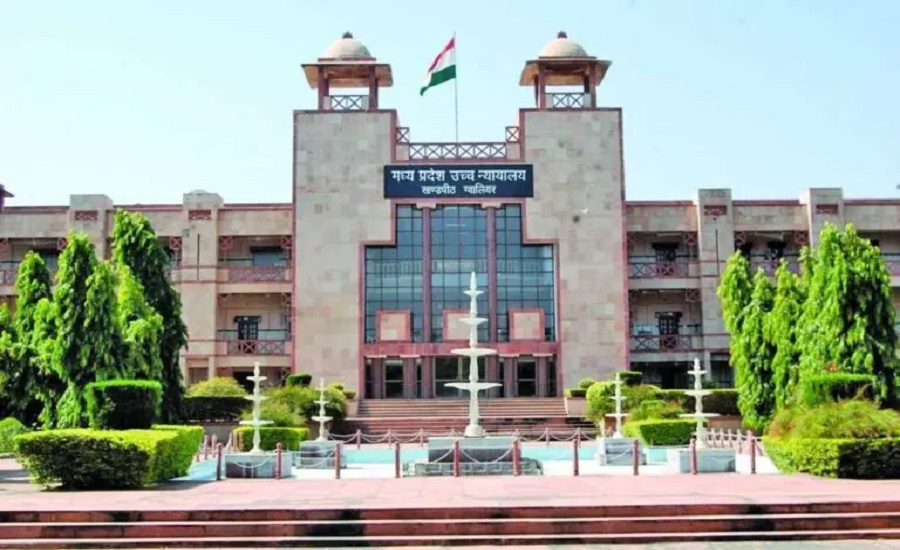
Bhopal: The MP High Court employee termination after 28 years case has brought major relief to a government worker whose services were cancelled after nearly three decades. The Madhya Pradesh High Court ruled that the State could not remove an employee after allowing him to work for such a long time and instead directed the government to regularise his service on a post meant for direct recruitment.
Details of MP Employee Termination After 28 Years
The Madhya Pradesh High Court set aside the termination of an employee whose services were ended after almost 28 years of continuous work.
Read also: Big Update for District Judges: Supreme Court Reviews Retirement Age Hike to 62
The employee’s appointment was questioned by the State on the ground that his initial recruitment was not made through the prescribed recruitment process. However, the Court observed that the government had continued to take his services for nearly three decades. Therefore, it could not suddenly terminate him by relying on alleged defects in his original appointment.
What Did the High Court Say on MP Employee Termination After 28 Years Case
Justice Deepak Khot noted that the State had accepted the employee’s services for many years without taking timely action. The Court held that if the appointment was irregular, the authorities should have addressed the issue much earlier instead of waiting for almost 28 years. Because of this long delay, terminating the employee was found to be unfair and legally unsustainable.
Court’s Direction
The Madhya Pradesh High Court:
- Quashed the employee’s termination order.
- Directed the State Government to regularise the employee on a post meant for direct recruitment.
- Held that the employee should not suffer because of administrative lapses committed by the authorities.
Why Is This Judgment Important?
This ruling highlights an important principle in Indian service law. When the government allows an employee to serve continuously for decades, it cannot later terminate that employee solely because of alleged irregularities in the initial appointment, especially when the employee was not responsible for those irregularities.
The judgment reinforces the principles of fairness, legitimate expectation, and protection against arbitrary administrative action.