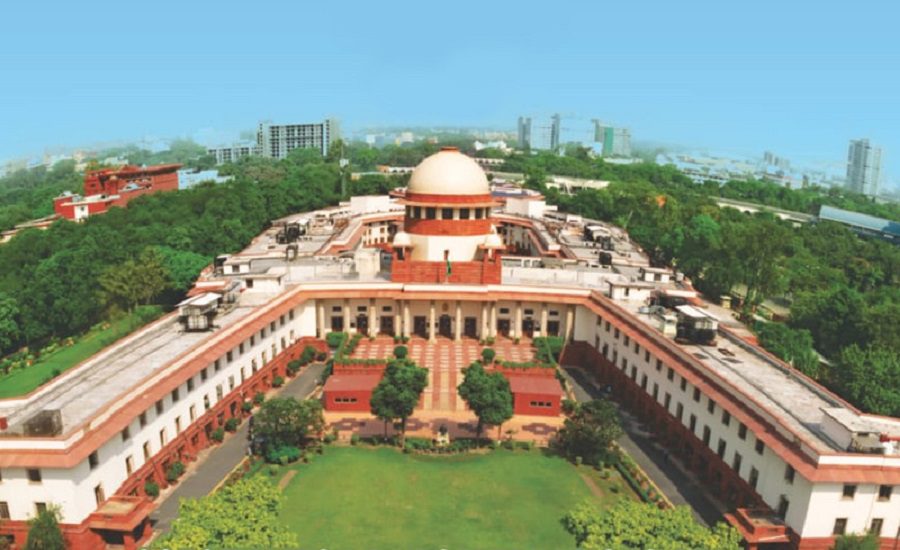
New Delhi: The Aravalli Hills mining case has once again come under the spotlight after the Supreme Court said it would not pass any order in favour of mining lease holders for now. The court expressed serious concern over environmental damage and illegal mining activities in the ecologically sensitive Aravalli region.
The matter is being closely monitored as the court plans a broader review involving environmental experts and government authorities.
Aravalli Hills Mining Case: What the Supreme Court Said
A bench led by Chief Justice Surya Kant and Justice Joymalya Bagchi observed that the court would not allow any mining-related activity unless it is fully satisfied with environmental safeguards.
The bench reportedly stated that the matter would not be heard in a “piecemeal manner” and stressed the need for a complete environmental review before any relief is granted to lease holders.
Why the Aravalli Hills Matter
The Aravalli Range is one of the oldest mountain systems in the world. It stretches across Rajasthan, Haryana, Gujarat, and Delhi.
The hills play a major role in:
- Preventing desert expansion
- Recharging groundwater
- Reducing air pollution in North India
- Supporting wildlife and biodiversity
- Maintaining ecological balance
Environmental experts have repeatedly warned that uncontrolled mining can permanently damage the fragile ecosystem of the region.
Background of the Aravalli Hills Mining Case
The issue became controversial after a Supreme Court-linked definition suggested that only hills rising more than 100 metres above nearby terrain would qualify as Aravalli Hills.
Environmental groups argued that this could open large parts of the region to mining and construction activities.
Following strong criticism from activists, scientists, and local communities, the Supreme Court later stayed its own earlier order and decided to reconsider the issue.
Aravalli Hills Mining Case: Court Plans Expert Committee
The Supreme Court has now proposed forming a panel of domain experts to study:
- The exact definition of the Aravalli Hills
- Environmental impact of mining
- Ecological sensitivity of the region
- Long-term conservation measures
The court has also asked stakeholders and authorities to suggest names for the expert committee.
Mining Activities Under Scanner
The court’s concern comes amid increasing reports of illegal and large-scale mining operations in the Aravalli belt.
Recent cases from Rajasthan showed that mining activities were stopped after authorities confirmed that certain sites fell within protected Aravalli areas.
The Supreme Court had earlier directed that no final permission for mining in the Aravalli region should be granted without court approval.
Government’s Position
Union Environment Minister Bhupender Yadav has stated that no new mining leases will be granted in the Aravalli region until a sustainable mining management plan is finalized.
The Centre has also assured the court that environmental protection and restoration of the Aravalli ecosystem remain a priority.
Why This Case Is Important
Experts believe the final decision could have a major impact on:
- Environmental laws in India
- Mining regulations
- Forest and biodiversity protection
- Air quality in Delhi-NCR
- Future infrastructure and industrial projects
The case is also being seen as a major test of balancing economic development with environmental protection.
What Happens Next
The Supreme Court is expected to continue hearing the matter after receiving recommendations regarding the proposed expert panel.
Until then:
- No immediate relief is likely for mining lease holders
- Environmental scrutiny will continue
- States may face tighter monitoring over mining approvals
The final outcome could shape the future of mining and conservation policies in the Aravalli region for years to come.