New Delhi: The National Digital Registry for Lawyers proposal has reached the Supreme Court, with the Bar Association of India (BAI) seeking a centralized digital database to verify advocates across the country. The initiative aims to identify fake lawyers, improve transparency, and make it easier for citizens, courts, and institutions to confirm an advocate’s credentials.
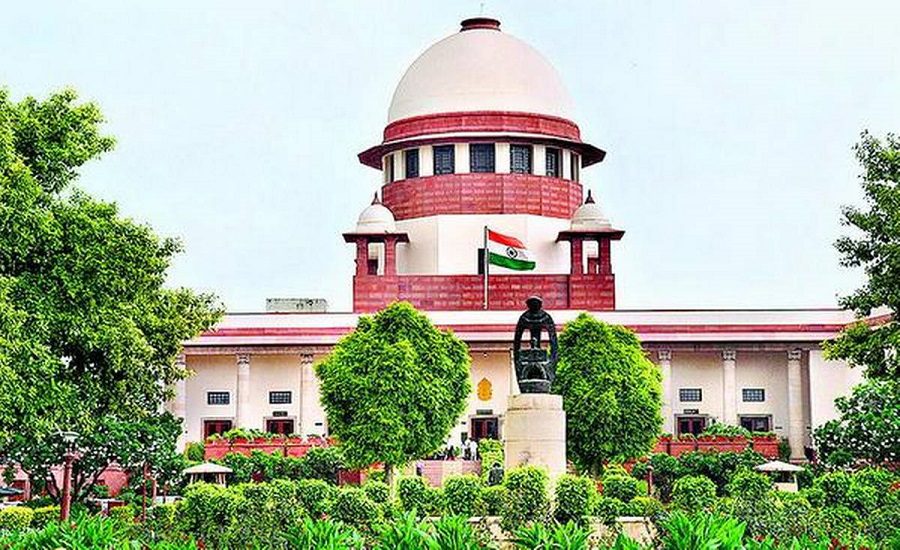
The proposal was discussed by a Supreme Court Bench led by Chief Justice of India Surya Kant and Justice V. Mohana. The court described the idea as a potential “novel reform” but indicated that views from multiple stakeholders would be required before any final decision is taken.
Details of National Digital Registry for Lawyers
The Bar Association of India has urged the Supreme Court to direct the Bar Council of India (BCI) to establish a nationwide advocate verification system. Under the proposal:
- Every advocate would receive a unique identification number.
- A centralized digital database would store verified records.
- State Bar Councils would be linked to the system.
- Advocate enrollment and practice status could be checked online.
- Fake legal practitioners could be identified more easily.
Read also: Supreme Court Clarifies Article 12: Bar Associations Not Subject to Writ Jurisdiction
Why Is a National Digital Registry for Lawyers Needed
The legal profession in India has faced concerns over individuals practicing law without proper qualifications or valid enrollment.
Supporters of the proposal argue that:
- Clients often struggle to verify lawyer credentials.
- Courts need accurate advocate records.
- Fake lawyers can damage public trust in the justice system.
- A national database would improve accountability.
Proposed Name of the Registry
The petition suggests creating the National Digital Registry for the Legal Profession of India (NDRLPI). According to the proposal, the platform would function similarly to an Aadhaar-style verification system but would be specifically designed for legal professionals.
The database would maintain verified details of advocates and provide a secure identification framework.
What Did the Supreme Court Say
During the hearing, the Bench acknowledged the importance of the issue. However, the judges noted that such a large-scale reform would require consultation with:
- Bar Council of India
- State Bar Councils
- Law universities
- Legal associations
- Other stakeholders in the legal sector
The court emphasized that broader discussions would be necessary before implementing any nationwide mechanism.
Role of Law Universities in National Digital Registry for Lawyers
An important aspect of the proposal is the verification of legal education records. The Bench reportedly indicated that law universities may need to provide information about their genuine graduates. This could help create an accurate database and reduce the possibility of forged educational credentials being used for enrollment.
Potential Benefits of the National Digital Registry for Lawyers
If implemented, the registry could offer several advantages:
For Citizens
- Easy verification of lawyer credentials.
- Greater trust while hiring legal representation.
- Protection from fraudulent practitioners.
For Courts
- Faster verification of advocate records.
- Better administrative efficiency.
- Improved record management.
For the Legal Profession
- Increased transparency.
- Stronger professional standards.
- Enhanced credibility of genuine advocates.
Challenges That May Need Attention
Experts believe a nationwide legal database would also require safeguards such as:
- Data privacy protection.
- Cybersecurity measures.
- Regular record updates.
- Coordination among State Bar Councils.
- Clear rules on access and verification.
Read also: Delhi HC Under Fire: Bar Association Challenges Judges’ Panel on Jurisdiction Reform