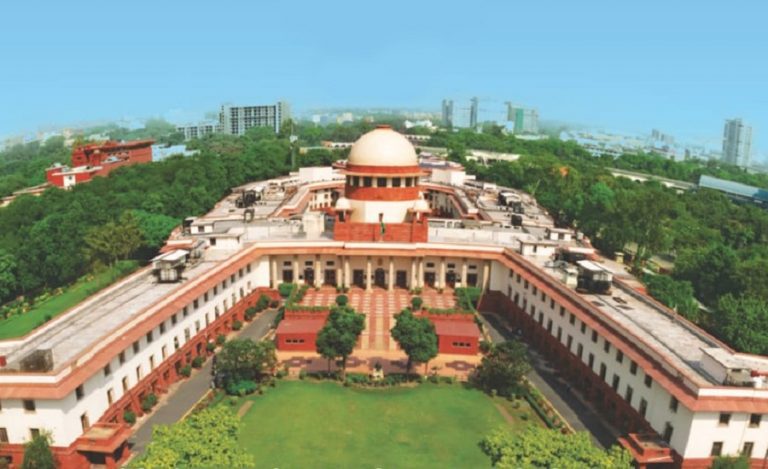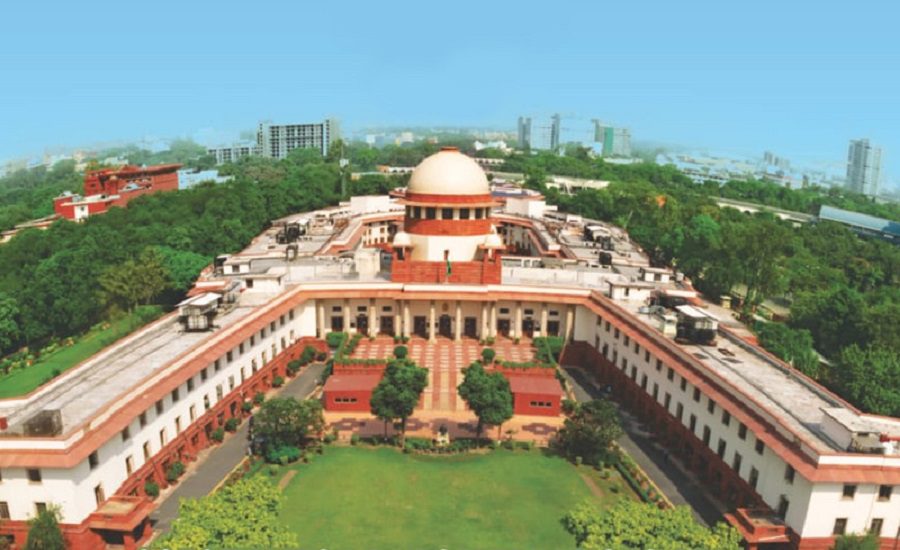
New Delhi: A fresh Supreme Court plea on fake advocates has brought serious attention to the Indian legal system after the Bar Council of India (BCI) Chairperson claimed that nearly 35-40% of advocates may have fake law degrees.
The petition seeks a nationwide verification drive for lawyers’ educational qualifications, enrollment records, and practice status.
The matter has raised concerns about fake certificates, forged documents, and public trust in the judiciary.
Details of Fake Advocates Row
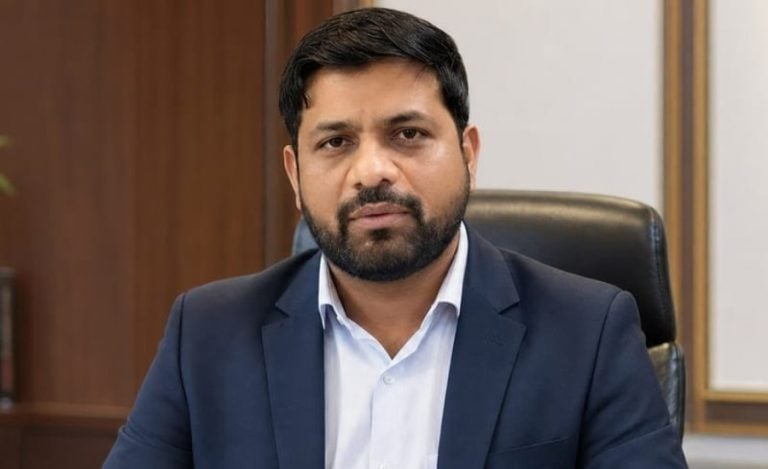
A writ petition has reportedly been filed in the Supreme Court following recent remarks made by BCI Chairperson and Senior Advocate Manan Kumar Mishra. According to the plea:
- Many advocates may allegedly be practicing with fake or forged law degrees.
- A transparent national verification system is needed.
- Authorities should verify educational and enrollment credentials of advocates across India.
- The petition seeks action from:
- Union Government
- Bar Council of India (BCI)
- State Bar Councils
- University Grants Commission (UGC)
Read also: Big Win for Retired Judges: Supreme Court Unlocks Pension Benefits from 2016
The plea has been filed under Article 32 of the Constitution.
Fake Advocates Row: What Did The BCI Chairperson Say?
BCI Chairperson Manan Kumar Mishra recently stated that:
- Around 35-40% of people appearing in courts as advocates may have fake degrees.
- Many allegedly obtained fabricated certificates.
- A large number of lawyers reportedly did not complete the BCI verification process.
- The issue had already been brought before the Chief Justice of India.
The statement triggered nationwide debate within the legal community.
Fake Advocates Row: Key Demands In The Petition
The plea reportedly asks for:
- Nationwide verification of law degrees
- Authentication of enrollment certificates
- Digital verification system for advocates
- Uniform verification rules across India
- Identification of fake practitioners
- Faster scrutiny by State Bar Councils
The petition also reportedly argues that fake advocates can damage:
- Public confidence in courts
- Fair delivery of justice
- Professional standards in the legal system
Supreme Court’s Earlier Concerns
The issue is not entirely new. Earlier too, the Supreme Court expressed concern over delays in advocate verification.
In January 2025, the apex court stressed that degree verification of advocates was a “very serious” issue and sought faster action from the Bar Council of India.
The Court has also previously ordered investigations into allegedly forged educational documents in individual cases.
Why This Issue Matters
Legal experts believe fake law degrees can create serious risks:
- Unqualified individuals may represent litigants.
- Court proceedings can be affected.
- Citizens may lose trust in the justice system.
- Genuine lawyers may face reputational damage.
The latest petition could push authorities toward stricter regulation and digital verification mechanisms.
Read also: Big Setback for Govt Employees: Supreme Court Rules No Right to Promotion From Old Vacancies