New Delhi: The supreme court said there should be an independent investigation into allegations of injuries to both students and police personnel during nationwide student protests. The Supreme Court also issued important interim directions, including the release of detained students with no criminal background and protection of protesters’ digital data.
Student Protest Violence Case: Why Did The Supreme Court Intervene
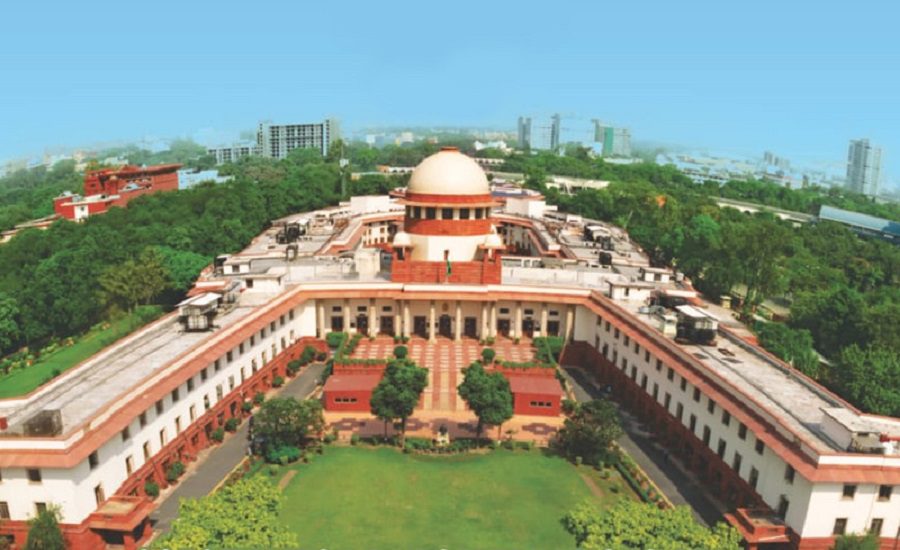
A bench comprising Chief Justice of India Surya Kant, Justice Joymalya Bagchi, and Justice V. Mohana heard several petitions related to police action during student protests over alleged examination paper leaks and other education-related issues.
The court observed that the allegations made by different petitioners required an independent and fair investigation. It indicated that a Special Investigation Team (SIT) headed by a former Supreme Court judge may be formed after receiving responses from the Centre and several states.
Student Protest Violence Case: Supreme Court’s Key Directions
The court passed several interim orders aimed at protecting students’ rights while ensuring a fair investigation. The major directions include:
- Release all detained or arrested students who have no criminal antecedents.
- No coercive action against such students during the ongoing proceedings.
- Preserve CCTV footage, drone recordings, body-worn camera videos, PCR logs and wireless communication records.
- Ensure that protesters’ personal information and digital data are not made public.
- Seek responses from the Union Government and the states of Assam, Bihar, West Bengal, Uttar Pradesh, Madhya Pradesh, Maharashtra, Kerala and the National Capital Territory of Delhi.
Court Stresses The Right To Peaceful Protest
During the hearing, Chief Justice Surya Kant said that the right to peaceful and lawful protest is protected under the Constitution. The bench also observed that agitation alone cannot justify a lathi charge. If there are allegations of excessive force by police, they must be independently examined. The court also suggested that India may need uniform national guidelines for handling public demonstrations.
Student Protest Violence Case: What Do The Petitions Allege
One petition filed by Advocate Shailendra Mani Tripathi seeks an independent probe into police action during the July 20 student protest in Delhi.
The petition alleges excessive police force, use of tear gas, baton charges, arbitrary detentions, deployment of plainclothes personnel, misconduct against female protesters and injuries to at least 60 demonstrators. It also seeks guidelines on police action during public protests.
Another petition filed by Rajya Sabha MP Manoj Jha asks the court to direct states to register FIRs wherever allegations of police brutality exist. It also requests preservation of social media videos and identification of police personnel involved in crowd control.
Government’s Response
Solicitor General Tushar Mehta, appearing for the Union Government, informed the court that both students and police personnel had suffered injuries.
He stated that around 250 police personnel were also injured and supported the idea of an independent investigation under judicial supervision. The government said that any violence, regardless of who committed it, should be properly investigated.
Digital Privacy Receives Protection
The Supreme Court also ordered authorities not to publish the personal details or digital information of student protesters. The bench directed all concerned authorities to preserve electronic records while ensuring that such data remains confidential during the investigation.