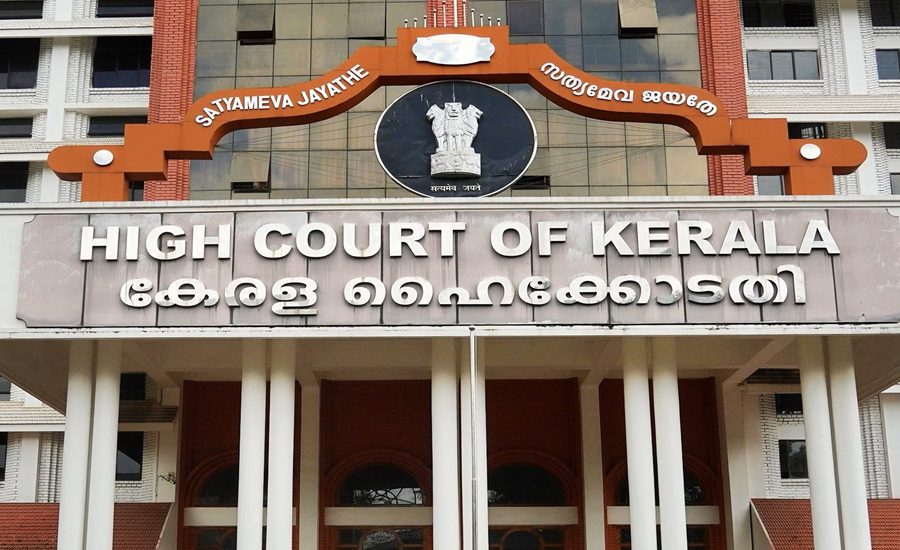
Thiruvananthapuram: In a significant ruling on employment verification, the Kerala High Court has held that the police cannot decide whether a candidate is suitable or unsuitable for a job while preparing a verification report about criminal antecedents.
The Court clarified that the role of the police is limited to providing factual information regarding criminal cases, while the final decision on employment eligibility must be taken by the appointing authority. This judgment strengthens the principles of fair recruitment and due process in public and private employment.
Background of the Kerala High Court Employment Verification Ruling
The case before the Kerala High Court concerned the scope of a police verification report issued under Section 53 of the Kerala Police Act, 2011.
Read also: Explained: Kerala High Court’s Order on Special NDPS Courts and What It Means for Drug Trials
During employment verification, police authorities are often asked to provide details about an applicant’s criminal background. In some cases, police reports go beyond factual details and include opinions on whether a person is fit for employment. The Court examined whether such opinions are legally permissible.
Details of Employment Verification Ruling
Justice Bechu Kurian Thomas observed that
- The police can verify and report criminal antecedents.
- The police cannot decide whether a candidate is suitable for employment.
- Suitability assessment is the responsibility of the employer or appointing authority.
- Police verification reports should contain facts, not recommendations about employment eligibility.
The Court emphasized that a verification report must remain objective and factual.
Why Is The Kerala High Court Employment Verification Ruling Important
This ruling is important because it clearly separates the roles of
Police Authorities
Their duty is to:
- Verify records.
- Check pending or past criminal cases.
- Submit factual information.
Employers or Government Departments
Their duty is to:
- Evaluate the candidate’s overall profile.
- Consider the nature of any criminal case.
- Decide whether the candidate is fit for the position.
The Court said these responsibilities should not overlap.
What Is Employment Verification
Employment verification is a background check conducted before hiring a person.
It may include:
- Identity verification
- Address verification
- Educational qualification checks
- Criminal record verification
- Character verification
The purpose is to help employers make informed decisions while ensuring fairness to applicants.
Key Takeaways from the Judgment
1. Police Reports Must Be Fact-Based
Police authorities can mention the following:
- FIRs
- Criminal cases
- Convictions
- Pending investigations
They should avoid giving personal opinions about employability.
2. Employers Have Final Authority
The employer must independently assess whether a candidate is suitable for a particular job.
3. Fair Opportunity for Candidates
A person’s employment prospects should not be affected merely because a police officer forms a subjective opinion.
4. Rule of Law Must Be Followed
Administrative decisions should be made by the legally authorized authority, not by an agency performing a limited verification role.
Legal Significance
The ruling reinforces an important administrative law principle: an authority must act only within the powers granted to it by law. The Kerala High Court clarified that police verification under Section 53 of the Kerala Police Act is intended to provide information, not to determine employment suitability. The ultimate decision rests with the competent recruiting authority.
Read also: No Dual Professions Allowed? Kerala High Court Sets Strict Rule for Doctors Turning Lawyers