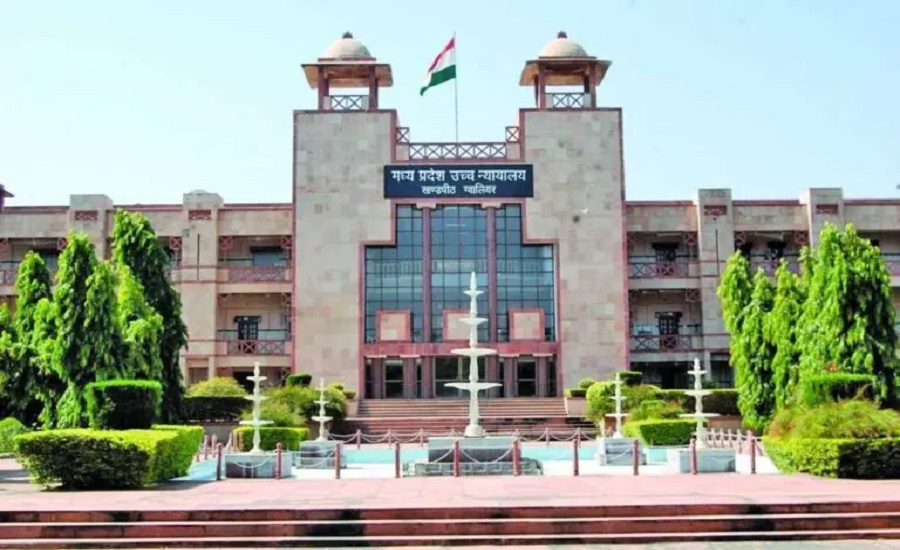
Jabalpur: The Madhya Pradesh High Court has directed Director General of Police (DGP) Kailash Makwana, an IPS officer of 1988 batch, to issue a fresh statewide circular instructing all investigating officers to strictly comply with the Supreme Court’s mandate that every arrested person must be furnished the grounds of arrest in writing.
A Division Bench comprising Justice G.S. Ahluwalia and Justice Anuradha Shukla also directed the DGP to file a compliance report, along with the revised guidelines, before the Principal Registrar of the High Court by August 18. The court warned that failure to comply with its directions could invite contempt proceedings.
Directions Issued While Hearing Habeas Corpus Petition
The directions were issued on July 3 while the High Court was hearing and ultimately dismissing a habeas corpus petition challenging the arrest of an accused booked under the Narcotic Drugs and Psychotropic Substances (NDPS) Act in Datia district.
The petitioner had questioned the legality of the arrest, alleging non-compliance with mandatory procedural safeguards.
However, after examining the facts, the court upheld the arrest, observing that there had been “substantial compliance” with legal requirements.
Read also: MP High Court Refuses to Quash Charges Against Civil Judge in Controversial Acquittal Case
Court Finds Substantial Compliance in Datia Case
The Bench noted that the accused had been served with a written notice under Section 50 of the NDPS Act before the search was conducted.
The court further observed that:
- The accused was aware of the allegations against him.
- His brother had been informed about the arrest.
- Procedural safeguards under the NDPS Act had substantially been followed.
On these grounds, the habeas corpus petition was dismissed.
High Court Expresses Concern Over Continued Violations
Despite upholding the arrest in the present case, the High Court expressed serious concern over the continued failure of investigating officers to comply with binding Supreme Court judgments requiring written communication of the grounds of arrest.
The Bench referred to the Supreme Court’s decisions in:
- Pankaj Bansal
- Mihir Rajesh Shah
- Vihaan Kumar
It also noted that the Police Headquarters had already issued a circular on February 13, 2026, directing compliance with these judicial rulings.
However, the court observed that investigating officers were still failing to provide written grounds of arrest to accused persons.
Court Questions Police Conduct
Making strong observations, the High Court said such lapses could not be treated casually.
According to the Bench, the repeated failure to follow mandatory legal procedures could either stem from negligence or represent a deliberate attempt to leave procedural loopholes that would later enable accused persons to challenge their arrests as illegal.
In a stern remark, the court questioned, “Whether the police department exists to prosecute offenders or protect them.”
The Bench observed that officers who repeatedly ignore mandatory safeguards despite clear judicial directions undermine the rule of law.
Warning of Suspension and Departmental Action
To ensure strict compliance in future, the High Court directed DGP Kailash Makwana to include a clear warning in the fresh statewide circular.
The Bench said that any investigating officer found violating the Supreme Court’s mandate in future should be presumed to have acted with the intention of facilitating the offender.
The court further directed that such officers should:
- Be placed under suspension.
- Face departmental proceedings.
- Be subjected to major disciplinary penalties under the applicable service rules.
Compliance Report Due by August 18
The DGP has been directed to submit a compliance report, along with details of the fresh circular and guidelines issued to investigating officers, before the Principal Registrar of the High Court by August 18.
The Bench made it clear that failure to comply with the directions may result in contempt proceedings against the authorities concerned.
The order reinforces the judiciary’s emphasis on protecting constitutional safeguards during arrests while ensuring strict adherence to the procedural requirements laid down by the Supreme Court.