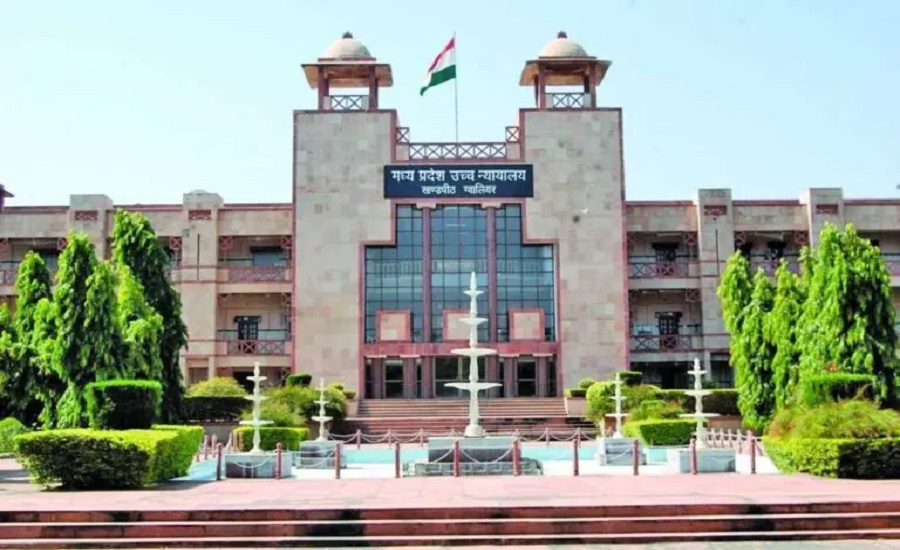
Bhopal: The Madhya Pradesh High Court reminded hospitals and health authorities that they should not ask courts for permission in cases where the Medical Termination of Pregnancy (MTP) Act already allows the procedure. The court made this observation while permitting the medical termination of a 10-week pregnancy of a 17-year-old rape survivor.
Details of MP High Court Pregnancy Termination Ruling
The Madhya Pradesh High Court said that hospitals and government authorities should not routinely approach courts for permission to terminate pregnancies that are below 24 weeks when the law already permits it.
Read also: Article 19 Explained: Supreme Court Declares Mother Tongue Education a Fundamental Right
Justice Vishal Mishra observed that unnecessary court proceedings delay urgent medical treatment and create additional hardship for women and girls who are already facing difficult situations.
Background of the Case
The case involved a 17-year-old minor rape survivor who was found to be around 10 weeks pregnant during a medical examination.
A Medical Board examined the girl and concluded that the pregnancy could be medically terminated. The doctors also warned about possible health risks if the pregnancy continued, including excessive bleeding and infection. They recommended that the procedure be carried out at a government medical college under expert supervision.
MP High Court Pregnancy Termination Ruling: Why Did the Court Question Health Authorities
During the hearing, the High Court asked why hospitals continue to seek judicial approval in cases where the Medical Termination of Pregnancy Act, 1971, already provides a legal process.
The court noted that if the legal conditions under the MTP Act are fulfilled, medical professionals should act according to the law instead of waiting for court orders, as delays may affect the health and well-being of the pregnant woman.
What is MTP Act
The Medical Termination of Pregnancy (MTP) Act, 1971, as amended in 2021, provides the legal framework for abortion services in India. Key provisions include:
- Pregnancy up to 20 weeks can generally be terminated based on the opinion of one registered medical practitioner under the amended law.
- Certain categories of women, including rape survivors, minors, women with disabilities, and other specified groups, can seek termination up to 24 weeks with the opinion of two registered medical practitioners.
- For pregnancies beyond 24 weeks, permission is generally required only in specific situations such as substantial fetal abnormalities, based on the recommendation of a Medical Board or through constitutional courts where applicable.
Court Highlights Reproductive Rights
Justice Vishal Mishra referred to constitutional principles protecting a woman’s reproductive choice, personal liberty, dignity, and bodily autonomy under Article 21 of the Constitution.
The court also relied on recent Supreme Court decisions that have consistently recognised that a woman’s health and informed consent are central to decisions regarding pregnancy termination.