Bhopal: Madhya Pradesh is stepping up efforts to attract pharmaceutical, biotechnology and medical device investments, with 54 pharma-sector proposals worth approximately ₹19,477 crore received over the past 18 months. These proposals could create around 18,646 employment opportunities, according to Chief Minister Dr Mohan Yadav.
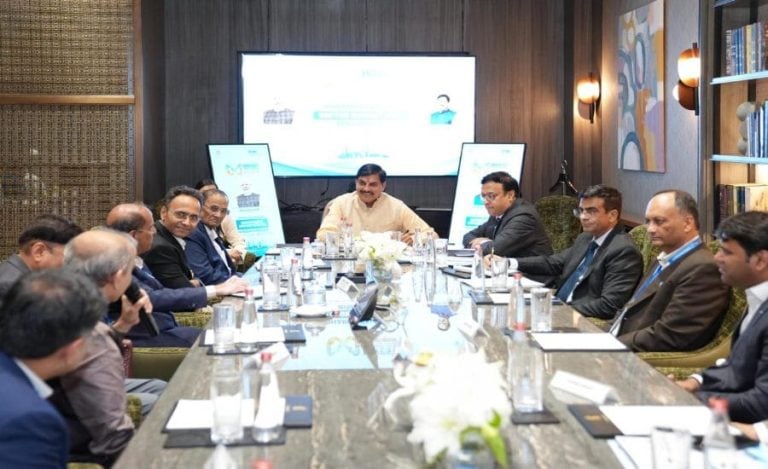
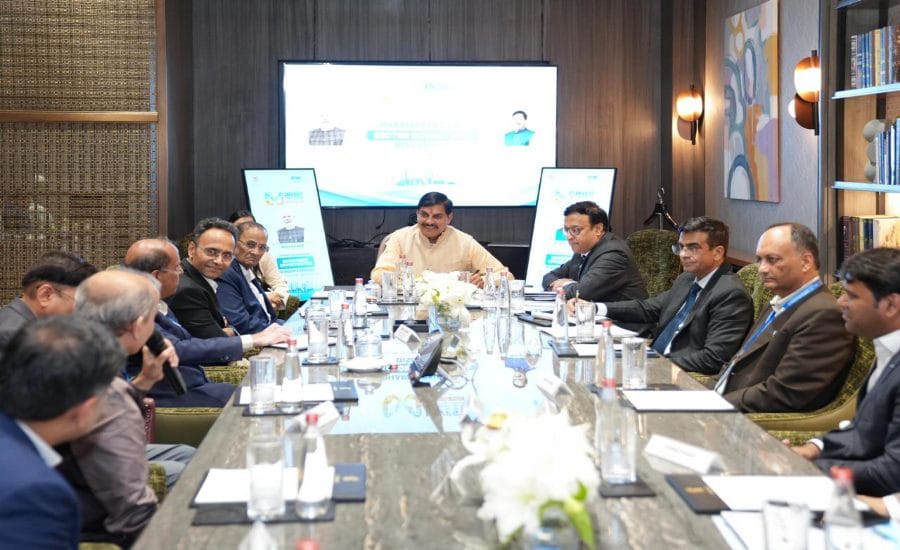
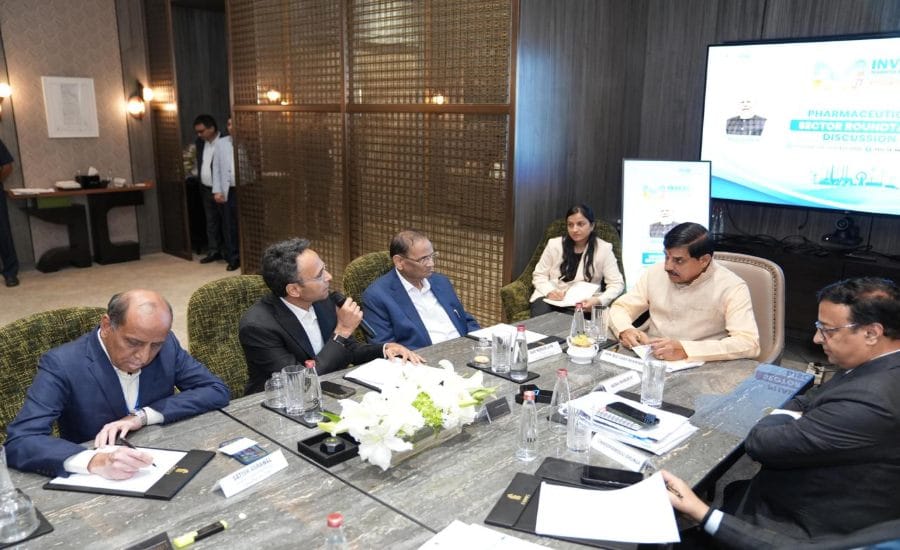
At a roundtable meeting with pharmaceutical industry representatives in Mumbai on October 8, the Chief Minister highlighted the state’s industrial infrastructure, investment incentives and skilled workforce. The government aims to develop an integrated pharmaceutical ecosystem covering medicine production, active pharmaceutical ingredients (APIs), research, testing, exports and medical equipment manufacturing.
The initiative forms part of the state’s broader industrial development strategy, which seeks to attract investment, expand manufacturing and create employment across multiple districts.
Pharma Investment Pipeline Shows Growth Potential
Of the 54 investment proposals received over the past 18 months, 34 units have received land allotments for projects involving approximately ₹12,306 crore. These projects could generate around 10,298 jobs. During the same period, 14 units started production.
New pharmaceutical and life-sciences industrial activities are spread across Indore, Dewas, Ujjain, Bhopal, Dhar, Raisen, Sehore, Gwalior and Bhind.
The figures represent different stages of investment. Proposed projects indicate potential growth, while land allotments and the commencement of production show progress towards industrial operations.
The government’s focus is to convert investor interest into functioning facilities, sustained manufacturing and employment opportunities.
Read also: Madhya Pradesh: CM Mohan Yadav Releases Vyom and Neera, State Gets Third Cheetah Habitat
Madhya Pradesh’s Existing Industrial Base
Madhya Pradesh has more than 300 pharmaceutical companies and over 30 API and bulk-drug manufacturers, according to figures presented by the Chief Minister.
Major pharmaceutical clusters operate in Indore, Pithampur-Dhar, Bhopal-Raisen, Ujjain, Gwalior, Jabalpur, Dewas, Bhind and Morena. Indore has more than 96 pharma units, Pithampur-Dhar over 57, and Bhopal-Raisen more than 36.
The state also has 40 medical colleges, over 200 pharmacy colleges and more than 140 engineering colleges. These institutions can help industries access trained professionals for production, quality control, laboratory testing, engineering and research.
Madhya Pradesh’s central location and transport links also offer manufacturers access to domestic markets and export networks.
Pharmaceutical products manufactured in the state reach more than 160 countries. The state recorded pharma exports worth approximately ₹11,889 crore in 2023-24. At the national level, India’s pharmaceutical exports reached US$30.47 billion in the 2024-25 financial year.
Industrial Policy Supports Investment and Research
The Madhya Pradesh Industrial Promotion Policy 2025 identifies pharmaceuticals, biotechnology and medical devices as focus sectors. Its incentives aim to encourage manufacturing, research, quality improvement and exports, subject to eligibility conditions.
Eligible projects can receive basic investment promotion assistance of up to 40% of qualifying fixed capital investment. APIs, bulk drugs and medical devices also qualify for a 1.3-times incentive multiplier under the announced provisions.
The policy includes support for research and development, testing laboratories and quality certification. Eligible in-house R&D expenditure can receive 50% assistance. Testing laboratories and quality certification can each qualify for support of up to ₹1 crore.
Independent R&D centres may receive assistance covering 25% of eligible fixed capital investment, up to ₹25 crore. Export-oriented units can qualify for assistance covering 50% of eligible freight costs for five years, subject to a maximum of ₹2 crore.
Environmental measures also form part of the incentives. Eligible waste-management projects can receive support of up to ₹5 crore, while zero liquid discharge systems can qualify for up to ₹10 crore. The policy also provides for assistance of up to ₹5 crore for eligible infrastructure development on private land and up to ₹1 crore for technology transfer.
These measures are designed to help companies establish facilities, adopt modern production methods and strengthen their research capabilities.
Ujjain Medical Device Park Expands Manufacturing Opportunities
The Medical Device Park at Vikram Udyogpuri in Ujjain is another major component of the state’s industrial development plans.
According to the figures shared by the Chief Minister, 57 units have received allotments in the park, and 17 have started production. The projects represent potential investment of approximately ₹2,374.86 crore and around 9,625 employment opportunities.
The park is intended to support medical equipment manufacturing and related industrial activities. Its development could create opportunities for engineering firms, component manufacturers, technical service providers and specialised workers.
Expanding this sector would also help diversify the state’s manufacturing base beyond conventional pharmaceutical products.
Ratlam Mega Industrial Park Targets New Investments
Madhya Pradesh is developing a mega industrial park across 1,666.3 hectares in Ratlam, with pharmaceutical, biotechnology and chemical industries among its priority sectors.
The government wants to attract investment across the pharmaceutical value chain, including APIs, finished medicines, vaccines, injectable drugs, biotechnology, cell- and gene-based therapies, medical devices, testing, research and development, and contract manufacturing.
Developing these activities within the state could generate demand for specialised manufacturing skills, laboratory services and technology-based operations.
The plan also aims to strengthen the state’s capacity to produce goods for domestic consumption and international markets.
Pharmaceutical Companies Explore Opportunities
The Mumbai roundtable brought together representatives from companies working in medicine manufacturing, APIs, branded and generic medicines, specialised drugs and research.
Participants included representatives associated with Ncube Ethicals, IPCA, Ajanta Pharma, Lupin, Macleods Pharmaceuticals, Amoli Organics, Gufic Biosciences, S. Kant Healthcare and Blue Cross Laboratories. Representatives from Dimac Industries and Emami Pharma were also invited, according to the meeting information.
Their areas of activity include topical medicines such as creams and ointments, generic and branded drugs, anti-infective treatments, APIs, specialised injectable medicines and pharmaceutical formulations.
Senior management representatives from Cipla, Glenmark and Alkem were also listed in the proposed industry participation.
Indian Drug Manufacturers’ Association (IDMA) Secretary General Dr Tony Parmar participated in the industry dialogue. According to the meeting account, he said several senior representatives and members of the pharmaceutical industry were interested in exploring investment opportunities in Madhya Pradesh.
The discussion covered manufacturing, research and development, exports, modern technology and the state’s industrial infrastructure.
Turning Investment Proposals into Jobs
Madhya Pradesh’s pharma strategy links investment attraction with industrial infrastructure, policy support, research and workforce development. Existing pharmaceutical clusters, the Ujjain Medical Device Park and the proposed Ratlam industrial park offer different platforms for companies considering expansion.
The next challenge is to convert investment proposals into completed projects and sustained production. The actual development impact will depend on how many projects become operational, how much investment materialises and how many jobs companies ultimately create.
If these plans translate into functioning industrial facilities, the sector could strengthen Madhya Pradesh’s manufacturing base, expand skilled employment and support domestic production of medicines and medical equipment.
For the state, pharmaceutical and biotechnology investment is not just about attracting companies. It is also an opportunity to build a more diversified industrial economy with stronger research capabilities, wider export links and employment opportunities across different districts.
Read also: Madhya Pradesh’s Pharma Story Gets a Fresh Push With Ipca’s ₹1,080 Crore Plan