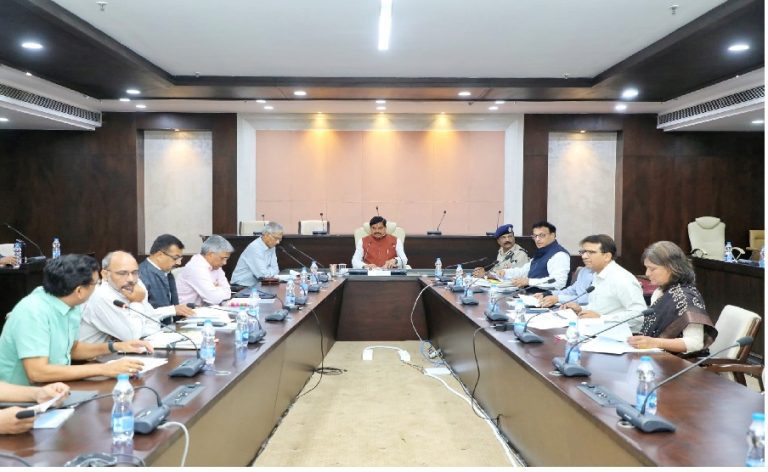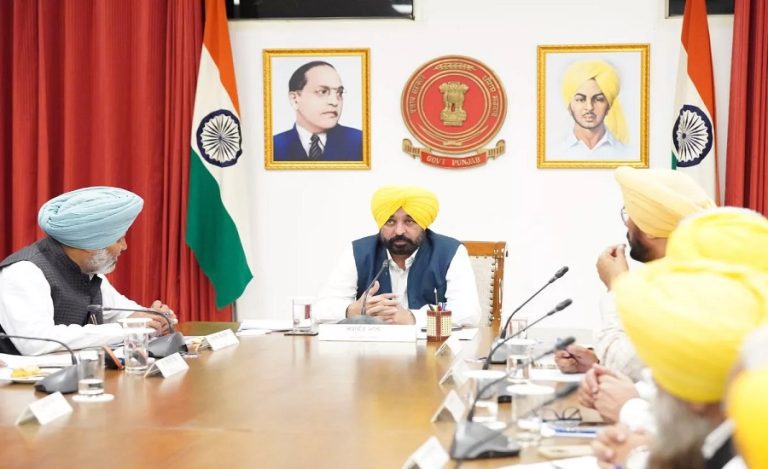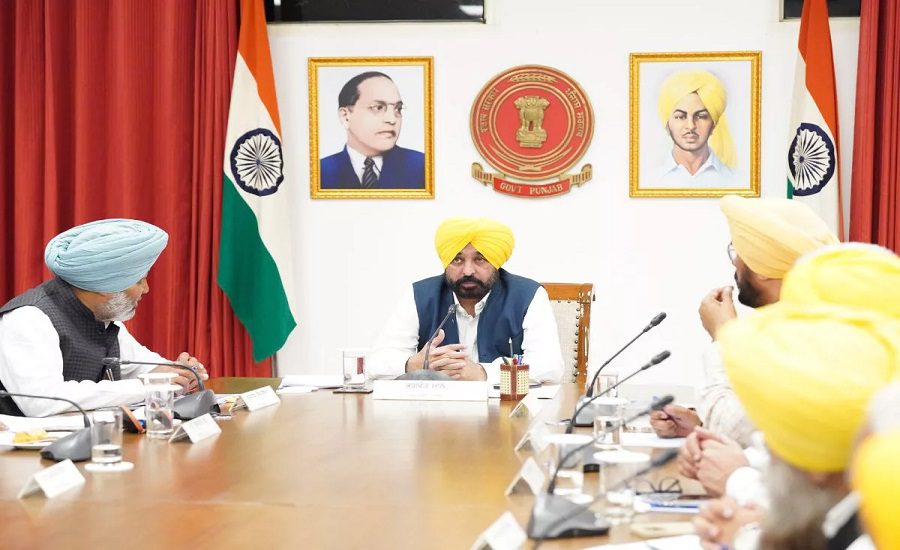
Chandigarh: In a significant move aimed at protecting students and parents from arbitrary fee increases, the Punjab Cabinet has approved an ordinance to regulate fee structures in private unaided schools. The decision caps annual fee hikes at a maximum of 5%.
The ordinance, titled the Punjab Regulation of Fees of Unaided Educational Institutions (Amendment) Ordinance, 2026, will amend the existing 2016 Act to bring greater transparency and accountability in school fee regulation across the state.
Key Objective: Control Unreasonable Fee Hikes
The primary purpose of the amendment is to curb excessive and unjustified fee increases by private schools. According to the government, the revised framework aims to:
- Protect students and parents from arbitrary fee hikes
- Ensure transparency in fee structures
- Strengthen regulatory oversight
- Clearly define “fee,” “fee increase,” and “total fee escalation”
Under the new rules, any annual fee increase beyond 5% will require prior approval from the regulatory authority.
Strict Approval Required for Higher Fee Increases
The ordinance makes it mandatory for private unaided schools to seek approval from the regulatory body if they intend to increase fees beyond the prescribed 5% limit.
This provision is expected to bring stricter monitoring of fee structures and prevent schools from imposing sudden financial burdens on families.
Cabinet Approves Reforms to Industrial Subsidy Guidelines
In addition to education reforms, the Cabinet also approved amendments to the guidelines issued on November 13, 2019, related to capital subsidy investment incentives for industrial development.
The updated framework aims to:
- Simplify subsidy distribution procedures
- Improve administrative efficiency
- Ensure uniformity among eligible industrial units
Subsidies will now be released after proper document verification and compliance with eligibility conditions, especially for units that qualify under revised provisions.
State Data Integration Platform to Strengthen Digital Governance
To improve coordination among departments and eliminate duplication of data, the Cabinet approved the implementation of a State Data Integration Platform (SDIP).
The platform will integrate databases across multiple departments, enabling smoother governance and faster service delivery.
A three-tier governance structure has been approved to oversee implementation:
- Chief Secretary as Chairperson
- Administrative Secretary (Good Governance) as Member Convener
- Administrative Secretaries of various departments as members
The initiative is expected to significantly enhance digital governance and administrative efficiency in Punjab.
New Administrative Post Approved for Dasuya Sub-Division
To improve local governance and reduce delays in public service delivery, the Cabinet has approved the creation of an Additional Deputy Commissioner (General) post for the Dasuya sub-division in Hoshiarpur district.
Along with this, supporting staff positions have also been sanctioned.
Officials stated that residents of the region often had to travel long distances to district headquarters for administrative work, revenue matters, permissions, and grievance redressal. The new setup is expected to reduce both time and cost for citizens while improving service efficiency.
Focus on Governance, Education, and Industrial Growth
The Cabinet decisions reflect a broader governance agenda focused on:
- Strengthening regulation in education
- Promoting industrial growth through policy reforms
- Expanding digital governance infrastructure
- Improving administrative accessibility for citizens
The meeting is seen as part of the state’s continued push toward more efficient, transparent, and citizen-centric governance.