New Delhi: India’s Project 75I submarine program received a major boost as Defence Minister Rajnath Singh boarded the advanced Type-212 submarine in Germany.
During his visit to ThyssenKrupp Marine Systems (TKMS) shipyard in Kiel, Singh highlighted India’s focus on modern submarine technology and stronger defence ties with Germany.
The visit is seen as a key step in India’s plan to upgrade its naval power and push indigenous defence manufacturing under Project 75I.
Project 75I Submarine Program: Visit to TKMS Shipyard in Germany
Defence Minister Rajnath Singh visited the TKMS shipyard, one of Europe’s leading submarine-building facilities. He toured the facility and boarded the Type-212 class submarine.
This visit showed India’s serious interest in advanced submarine technologies. It also strengthened defence cooperation between India and Germany.
Why Type-212 Submarine is Important
The Type-212 submarine is one of the most advanced conventional submarines in the world.
Key Features:
- Air-Independent Propulsion (AIP) system
- Ability to stay underwater for long durations
- High stealth capability
- Efficient performance in both shallow and deep waters
These features make it highly suitable for modern naval warfare.
Strong Signal for Project 75I Submarine Program
India is currently working on Project 75I, which aims to build six next-generation conventional submarines. The government is in talks with TKMS for this project. If finalized, the submarines will be built in India in partnership with Mazagon Dock Shipbuilders Limited (MDL).
This aligns with India’s Make in India initiative and will help boost domestic defence manufacturing.
Focus on Technology Transfer
A key part of the discussions is full technology transfer from Germany to India.
This will help India:
- Develop its own submarine-building capability
- Reduce dependency on foreign suppliers
- Strengthen long-term defence readiness
Strategic Importance for India
India’s submarine fleet needs modernization. Many existing submarines are aging.
Acquiring advanced submarines will:
- Improve maritime security
- Strengthen deterrence against regional threats
- Enhance naval power in the Indian Ocean
Diplomatic and Defence Cooperation
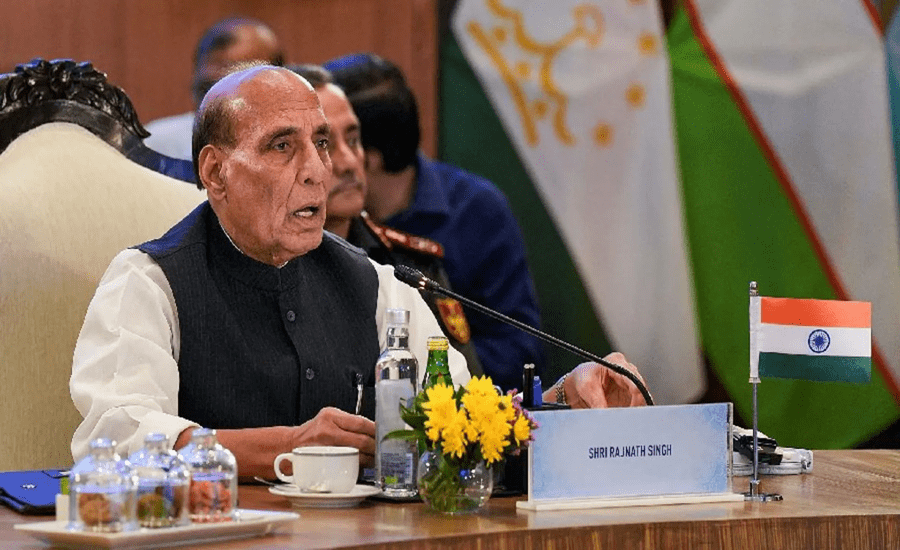
Rajnath Singh’s visit was not just technical but also diplomatic. He held high-level talks with German Defence Minister Boris Pistorius. Both sides discussed:
- Defence production cooperation
- Military-to-military exchanges
- Emerging areas like cybersecurity and artificial intelligence
This shows growing India-Germany defence ties.
A Step Towards Self-Reliance
This visit highlights India’s strategy to balance:
- Global partnerships
- Domestic manufacturing
India wants to ensure that future defence deals support both operational strength and local industry growth.
Read also: Project 75I: India to Boost Submarine Force with Advanced Indigenous AIP-Equipped Submarines