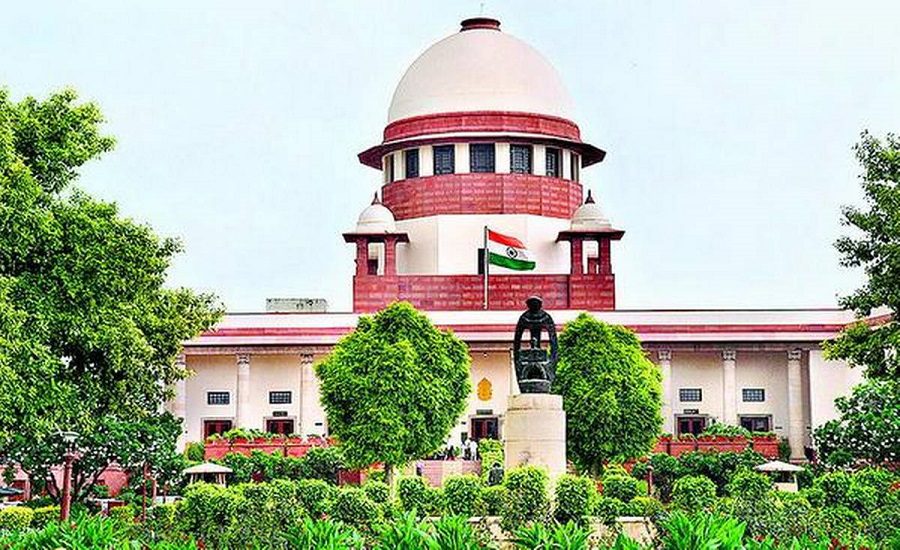
New Delhi: In a significant ruling amid ongoing electoral processes, the Supreme Court of India on Thursday dismissed a plea challenging the large-scale transfer of IAS and IPS officers by the Election Commission of India (ECI) in West Bengal and other states following the announcement of elections on March 15.
However, the Court kept open the larger legal question regarding whether such transfers require prior consultation with the State Government.
Bench Declines to Interfere
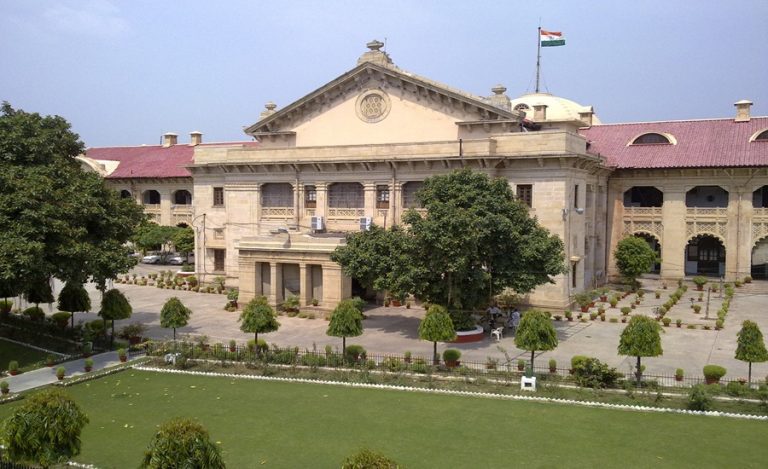
A bench comprising Surya Kant, along with Justices Joymalya Bagchi and Vipul M Pancholi, refused to interfere with the earlier decision of the Calcutta High Court, which had dismissed the Public Interest Litigation (PIL).
The petition was filed by advocate Arka Kumar Nag, who challenged the legality of the transfers carried out by the ECI.
‘Not a New Practice’, Observes Supreme Court
During the hearing, the Court observed that such transfers are not unprecedented and have been a consistent feature of election management across states.
Chief Justice Surya Kant remarked that the practice of shifting officers during elections has existed for decades and is aimed at ensuring free and fair polls. He emphasized that appointing officers from outside or reshuffling key administrative positions is often necessary to maintain neutrality.
Petitioner Raises Concerns Over Lack of Consultation
Senior Advocate Kalyan Bandhopadhyay, appearing for the petitioner, argued that the ECI acted contrary to established procedures, particularly by not consulting the State Government before ordering the transfers.
He further contended that:
- The Chief Secretary, Home Secretary, and DGP were replaced
- Such large-scale reshuffling was unprecedented
- The changes did not prevent incidents like the Malda violence
However, the bench noted that the officers appointed were still from the West Bengal cadre, countering concerns about administrative disruption.
Court Acknowledges ‘Some Substance’ in Legal Question
While declining to intervene in the current matter, the Court acknowledged that the argument regarding mandatory consultation with the State Government had “some substance.”
However, citing the proximity of elections, the bench chose not to interfere at this stage and left the question of law open for future consideration.
High Court Had Already Dismissed PIL
Earlier, the Calcutta High Court had dismissed the PIL, terming it “fundamentally flawed.”
Chief Justice Sujoy Paul, delivering the judgment, noted that the petitioner himself had acknowledged the ECI’s authority to transfer officers, thereby weakening his own case.
The High Court had observed:
- The ECI’s power to transfer officers during elections was not disputed
- Courts cannot micro-manage administrative decisions unless clear illegality is shown
- Allegations of mala fide were unsubstantiated
ECI’s Powers Rooted in Constitutional Mandate
The Court reiterated that under Article 324 of the Constitution, the Election Commission enjoys broad powers to ensure free and fair elections.
Referring to the landmark Mohinder Singh Gill v. Chief Election Commissioner case, the Court emphasized that when statutory law is silent, the ECI can act decisively to uphold electoral integrity.
No Evidence of Administrative Paralysis or Bias
Rejecting claims that the transfers caused governance breakdown, the Court observed that:
- Each transferred officer was immediately replaced
- No “administrative paralysis” was demonstrated
- Data showed that more officers were transferred in other states than in West Bengal
This effectively dismissed allegations of targeted action or discrimination.
PIL Lacked Proof of Public Injury
On the maintainability of the PIL, the Court relied on the precedent set in S.P. Gupta v. Union of India, stating that a valid PIL must demonstrate public injury.
The bench held that the petitioner, being a practicing advocate with no personal grievance, failed to establish such injury. It reiterated that transfers are an incident of service, and affected officers are free to challenge them individually.
Conclusion: Plea Dismissed, Legal Question Remains
Ultimately, the Supreme Court dismissed the plea as “sans substance”, reaffirming the autonomy of the Election Commission in managing elections.
At the same time, by keeping the question of State consultation open, the Court left room for future judicial scrutiny on the scope and limits of the ECI’s powers.
Read also: Haryana Govt Transfers 2 IAS Officers; Anupama Anjali Named Mahendragarh DC