By Malviekaa S Babbar
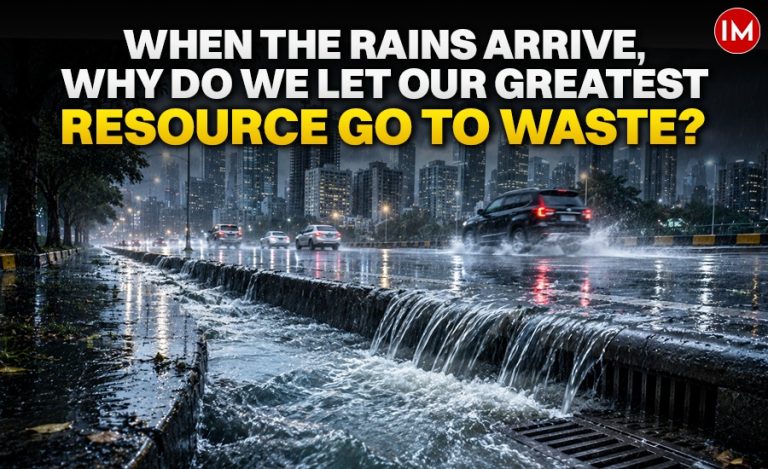
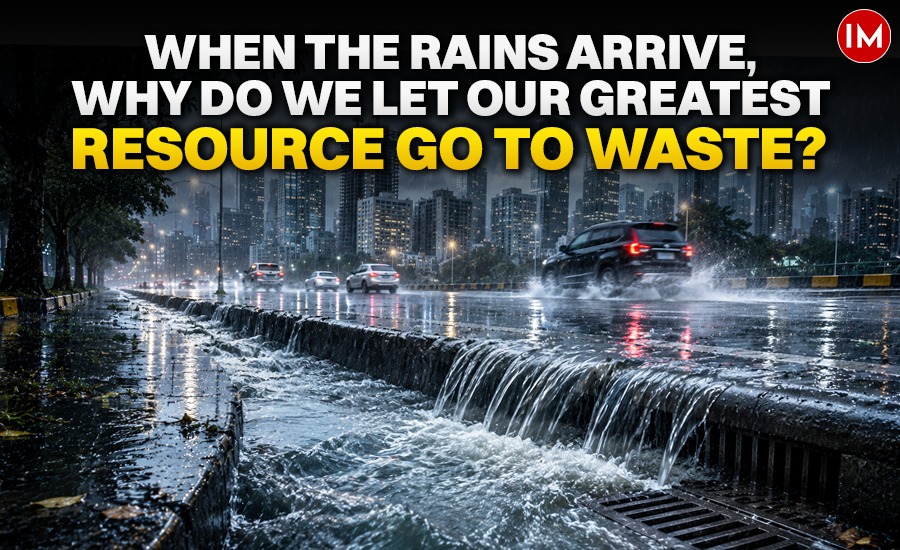
Every monsoon, we witness the same paradox. Streets overflow, drains choke, rivers swell, and cities struggle with waterlogging. Yet, as the rains subside, many parts of the country once again begin facing water shortages.
Nature is generous, but we have failed to become responsible custodians of its greatest gift.
The rainwater flooding our roads today is the very water we will desperately search for tomorrow. Experts have repeatedly warned that the coming decades could witness severe shortages of potable water if conservation measures are not adopted urgently. Climate change, erratic rainfall and increasing urbanisation are only making the challenge more serious.
The question is simple: if nature is giving us water for free, why are we allowing it to flow away into drains?
STORE TODAY TO SURVIVE TOMORROW
Rainwater can be stored, recycled and redirected for numerous non-potable uses. Public places, shopping complexes, restaurants, malls, offices and institutions consume enormous quantities of water every day for flushing toilets, cleaning floors and maintaining premises.
Instead of using treated drinking water for these purposes, harvested rainwater can be supplied to washrooms, significantly reducing the demand for potable water.
Similarly, rainwater can be used for washing cars, buses and trains, cleaning roads, maintaining public gardens and other municipal activities where drinking-quality water is unnecessary.
Every litre of rainwater reused is a litre of drinking water saved for future generations.
Also Read – High Speed Trains Developments in India
MAKE RAINWATER HARVESTING A COMPULSION, NOT AN OPTION
Rainwater harvesting should no longer remain a voluntary practice. It must become a mandatory requirement for all new residential and commercial construction projects.
Builders should be required to install scientifically designed rainwater harvesting systems that channel water into dedicated storage tanks or recharge borewells within the premises. This stored water can then be used for activities such as car washing, toilet flushing, gardening, cleaning common areas and even for pets.
Existing residential societies should also be encouraged to capture rainwater from terraces, balconies, podiums and open spaces.
To promote widespread adoption, governments could introduce incentive-based policies. For example, residential societies or buildings that successfully store and utilise a specified quantity of rainwater every year—say 5,000 litres or more—could receive rebates in property tax, maintenance charges or other civic dues. Positive incentives often encourage greater public participation than regulations alone.
A PRACTICAL SOLUTION FOR URBAN SLUMS
One of the biggest challenges lies in densely populated slum areas, where access to water is already limited.
Harvested rainwater can be diverted for community toilets, washing and sanitation purposes. While it should not be used directly for drinking without proper treatment, it can substantially reduce dependence on scarce freshwater resources for daily household activities.
Such systems can improve sanitation while conserving precious drinking water.
RURAL INDIA HOLDS IMMENSE POTENTIAL
The scope of rainwater conservation is even greater in rural India.
Villages can revive traditional ponds, reservoirs, lakes and check dams to capture seasonal rainfall. These water bodies can support irrigation, recharge groundwater, provide drinking water for livestock and strengthen water security during dry seasons.
Many parts of India once relied on such traditional water conservation systems. Reviving and modernising them can become one of the most effective climate adaptation strategies.
SMALL STEPS, LASTING IMPACT
A simple thought can help address one of the most complex crises facing humanity:
Store draining water to save drinking water.
Rainwater conservation is no longer merely an environmental concern—it is an economic, social and public health necessity. Besides protecting water resources, the large-scale implementation of rainwater harvesting systems will generate employment opportunities in construction, installation, maintenance and water management, benefiting thousands of skilled and unskilled workers.
I sincerely urge the concerned authorities, policymakers and departments of public administration to prioritise this issue and allocate dedicated funds for implementing rainwater conservation projects across the country. The decisions we make today will determine whether future generations inherit a nation of water abundance or water scarcity.
The rain is already falling. The real question is whether we are prepared to save it before it is too late.
About The Author – (Malviekaa S Babbar holds degrees in B.Com., M.A. in English Literature, and M.B.F., along with a Creative Writing Certificate from the Writers Bureau, Manchester, UK. She is a skilled bilingual writer with extensive experience in English and Hindi, including scripting and writing Hindi dialogues.)
Disclaimer – (The views and opinions expressed in this article are solely those of the author and do not necessarily reflect the views of Indian Masterminds. For feedback or queries, please write to [email protected].)
Also Read – Who Is GS Rao? Senior IPS Officer Given Additional Charge as Tripura DGP After Anurag Dhankar’s Death