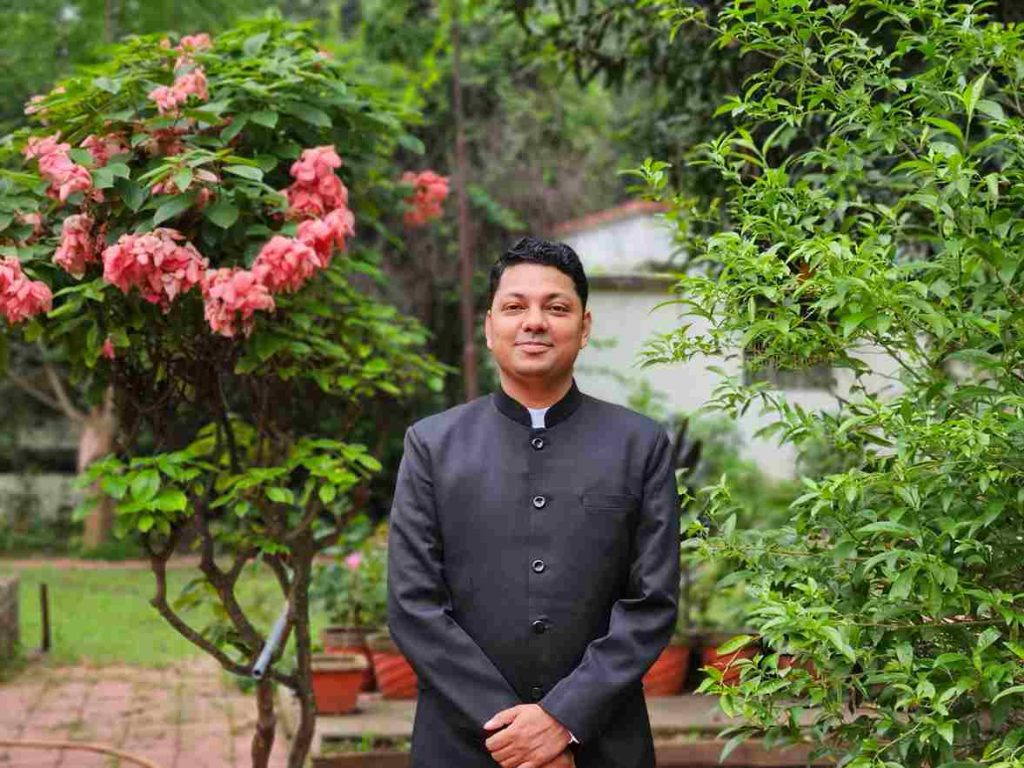
Deep in the heart of Odisha’s Dhenkanal Forest Division, a quiet revolution is underway – one that blends forest conservation with rural entrepreneurship, all under the visionary leadership of 2020-batch Indian Forest Service (IFS) officer Sumit Kumar Kar, the Divisional Forest Officer (DFO) of the region.
Driven by a strong belief in inclusive and sustainable forest management, Officer Kar has spearheaded a series of community-led livelihood initiatives that are not only uplifting forest-dependent families but also redefining the role of forest governance in India.
Indian Masterminds recently interacted with him to learn more about his initiative, its implementation, and its impact.
The Vision: Community-Owned, Conservation-Aligned Livelihoods
IFS Kumar’s initiatives were selected for national attention due to their holistic approach to conservation and livelihood. His mission? To create sustainable income models that actively involve forest dwellers – especially women – in the protection and sustainable use of forest resources.
Two of the most impactful initiatives under his leadership are the Kalplash Honey brand and a community-owned cashew processing cluster, both managed by Self-Help Groups (SHGs) and Van Suraksha Samitis (VSSs).
“We wanted the community to not just conserve the forest, but also benefit from it directly – through ethical, sustainable means,” says Mr Kumar.
The OFSDP Framework: Foundation for Transformation
At the core of these efforts is the Odisha Forestry Sector Development Project (OFSDP) – a JICA-assisted project aimed at strengthening sustainable forest livelihoods.
“Under OFSDP, we focused on communities that are forest-dependent. Our efforts were aligned with the livelihood component of the project, involving joint forest management through VSSs,” IFS Kumar explains.
Through this framework, the division began exploring forest-based value chains that could be owned and operated by the community – leading to the conceptualization of the cashew and honey clusters.
Cashew Cluster: From Raw Collection to Branded Success
Identifying the Gap
Traditionally, local farmers and gatherers would sell unprocessed cashew kernels to middlemen at low prices. Mr Kumar recognized the market potential of cashew as a high-value crop and saw an opportunity to intervene.
“Cashew is lucrative, but the community was only getting a fraction of its value. We conducted market research and decided to build a community-run processing unit,” he shares.
Building the Cluster
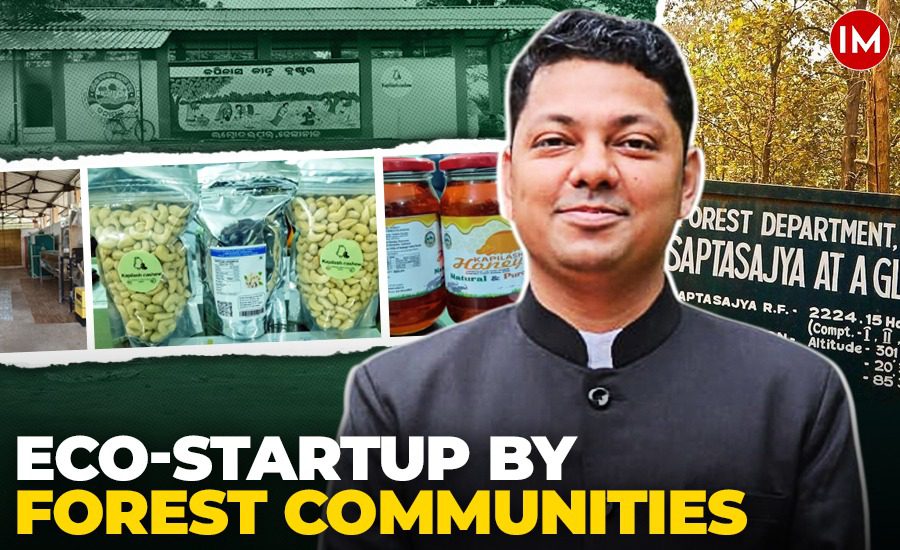
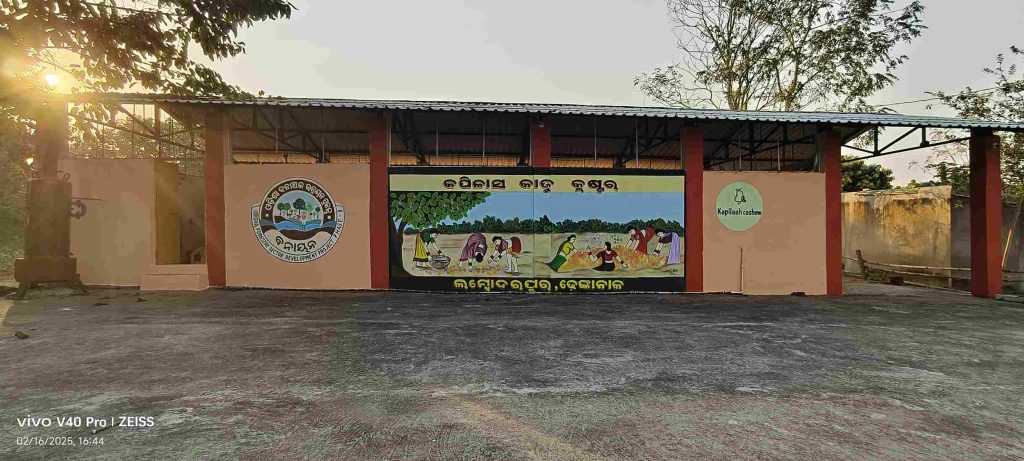
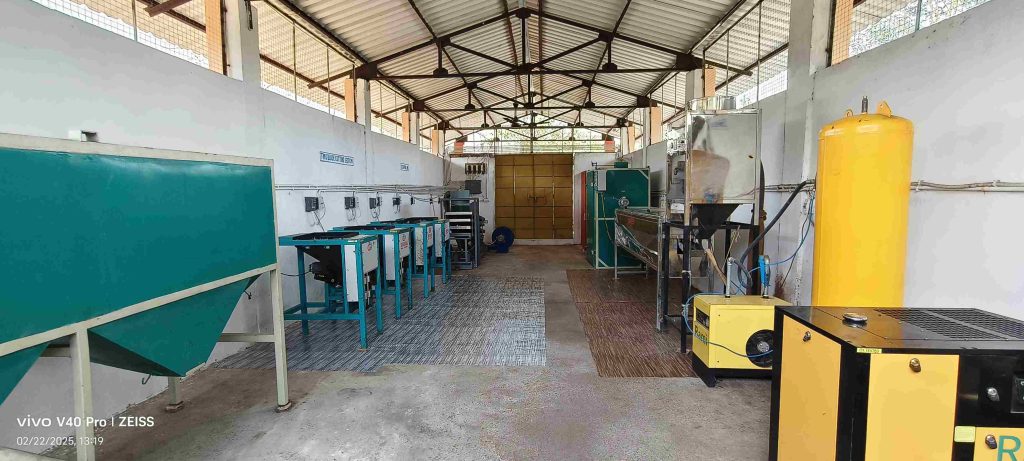
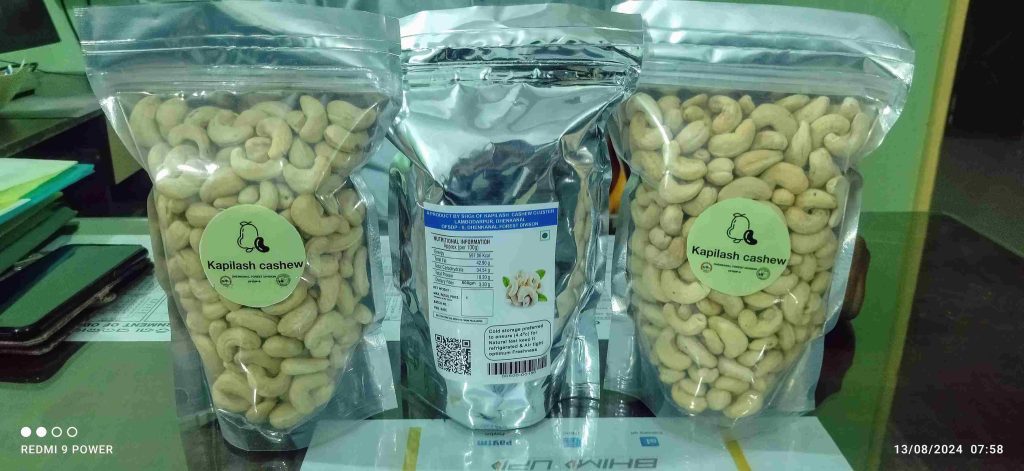
A renovated abandoned community building in Dhenkanal now houses a modern cashew processing unit equipped with machinery procured from Ahmedabad. The initiative, named Kapila Cashew, is fully owned and operated by VSS members with formal government and industrial licenses, including pollution control and food safety certifications.
Production, which started modestly in 2023, has since expanded. In 2024, the unit processed over 250 quintals of raw cashew, sourced directly from the community at fair rates.
“We pay a premium for raw cashew and then process and package it under our own brand. The final product is sold in both retail and wholesale markets. The profits go back to the community,” he explains.
The initiative has already started selling cashew variants, including salted and spiced cashew, with a focus on festive demand seasons like Diwali and December.
Honey Harvest: Tapping Indigenous Sweetness
The second major initiative under Kar’s leadership is the promotion of Serena Indica honey, a multi-floral, indigenous variety sourced from local bee colonies.
“This is not your regular European honey. Serena Indica is a native, non-aggressive bee species. Its honey is richer and more suited to our ecology,” says the officer.
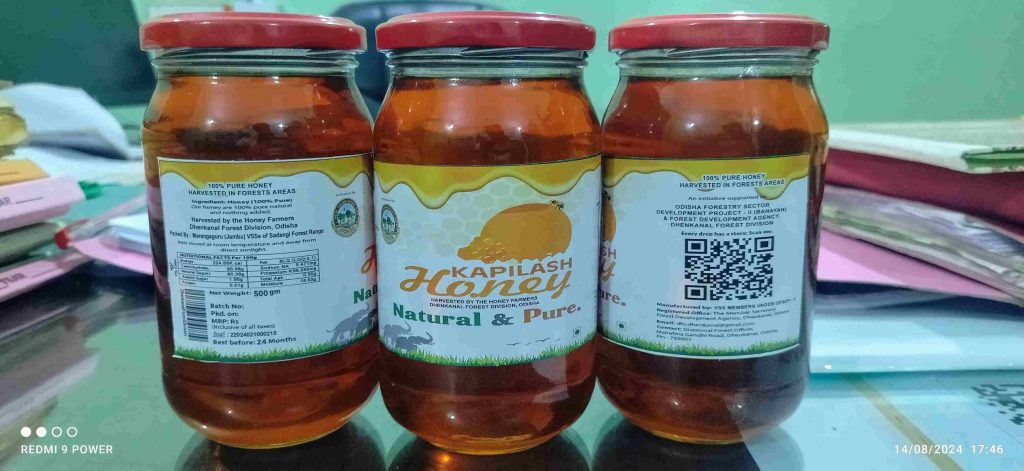
So far, around 200 bee boxes have been distributed, and honey is collected with support from the Odisha State Handloom and Handicrafts Development Corporation (OSHGP). The honey undergoes quality testing, pasteurization, and is packaged under the Kalplash Honey brand, complete with FSSAI licensing and trademarking.
Green Gold: Vermicompost for Soil and Sales
The third pillar of this sustainable model is vermicomposting – a natural extension of forest and plantation waste management.
“We’ve been setting up vermicompost pits for the past 1–2 years. Now we’re streamlining it – processing, packaging, and even selling it to local horticulture departments and adjacent districts,” he explains.
Packaged in 20–25 kg bags, the product has seen commercial success, with sales exceeding ₹50 lakh last year alone.
Kapilash Brand: More Than a Name
All three flagship products – cashew, honey, and vermicompost – are now marketed under the ‘Kapilash’ brand, named after the revered Kapilash Temple of the region.
“Kapilash is a symbol of purity and reverence for the local community. Associating the brand with the temple adds cultural value and local pride,” says Mr Kumar.
With strong community ownership and government collaboration, the brand is scaling up and eyeing expansion to new product lines and wider market access.
Impact: A Forest-Based Economy in the Making
Today, these initiatives collectively involve more than–
- 500+ families in Forest Honey Groups (FHGs)
- 50–60 families in honey production
- 80–100 families in vermicompost units
“The most satisfying part is seeing the community take pride in their work. It’s not just about income – it’s about ownership and dignity,” reflects Mr Kumar.
Looking Ahead: Expansion and Collaboration
The journey, however, is far from over. With successful pilots in place, Mr Kumar and his team are planning to scale operations, add new forest-based products, and collaborate with more government and private partners.
“We started in 2023, expanded in 2024, and are now ramping up further. Our long-term vision is to establish a robust, community-owned forest economy that is ecologically sustainable and economically rewarding,” he concludes.
Transforming Rural Landscape
IFS Officer Sumit Kumar Kar’s work in Dhenkanal is a shining example of how visionary leadership, when rooted in sustainability and community participation, can transform rural landscapes. His inclusive, forest-based livelihood models are not just preserving ecosystems but also empowering the very people who depend on them.
As India moves toward climate resilience and inclusive development, models like Kapilash may well lead the way – proving that forests can nurture both nature and nurture.