A tiger does not know where a protected area ends.
For a tiger moving out of Corbett, the forest does not suddenly stop at a boundary line. It follows prey, water, cover and instinct; sometimes through dense forests, sometimes across corridors, and sometimes through landscapes where villages, roads and people are never far away.
That reality lies at the heart of Ramnagar Forest Division.
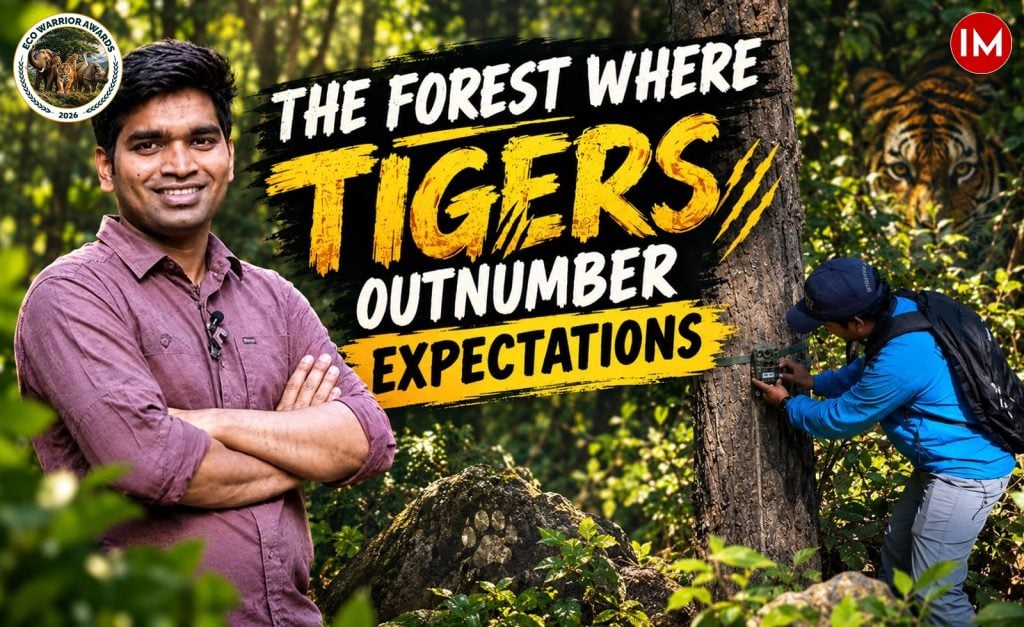
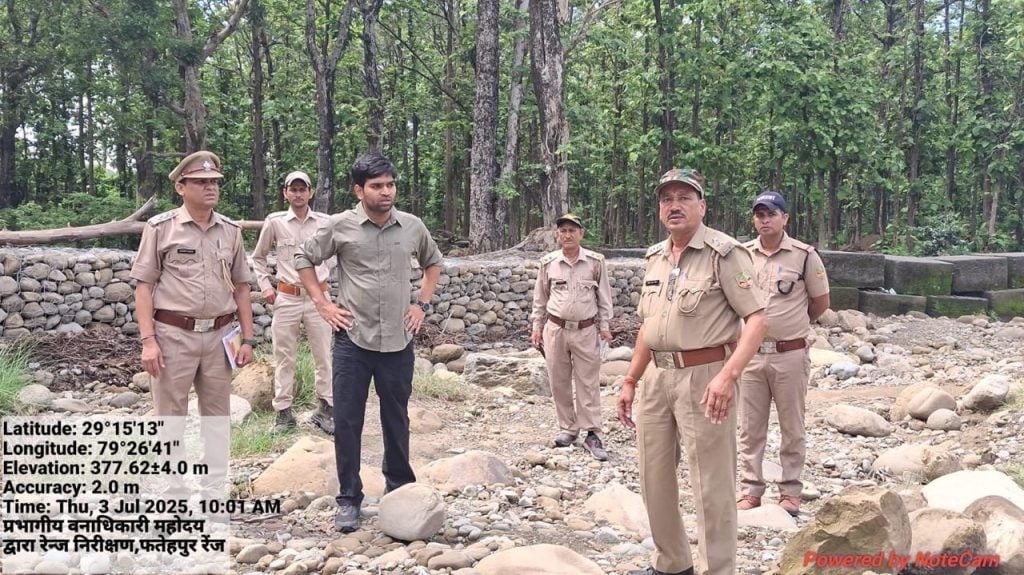
During his tenure as Divisional Forest Officer, Ramnagar, from June 2023 to August 2025, 2020 batch Uttarakhand cadre IFS officer Diganth Nayak, worked on a landscape where tiger conservation meant much more than protecting animals inside a designated reserve. His focus was on making the forests outside protected-area boundaries capable of supporting tigers while keeping their movement corridors functional.
His work has now earned him a nomination for the Eco Warrior Awards 2026 under the Wildlife Protection and Conservation category. And the numbers tell a striking part of the story.
Ramnagar recorded 67 tigers in AITE 2022. In the Phase-3 survey conducted jointly by the Ramnagar Forest Division and WWF-India in January 2025, 95 tigers were recorded — an increase of 28 animals, or nearly 42 per cent.
It made Ramnagar the highest tiger-bearing forest division outside protected areas in India, with a density approaching 20 tigers per 100 sq. km. But perhaps the more remarkable story is what lies behind that number.
Also read: Devesh Pandey: The IFS Officer Giving a Fighting Chance to the Himalayan Newt in Darjeeling Hills
The Missing Link Between Corbett and the Terai
Ramnagar sits in the Shivalik-Bhabhar and Terai Arc landscape, immediately adjoining Corbett Tiger Reserve and extending towards Nandhaur Wildlife Sanctuary and the wider India-Nepal landscape.
It is a crucial link in a much larger ecological network.
The Kosi, Dabka, Baur and Nihal-Bhakra corridors allow wildlife to move through the landscape, connecting habitats and facilitating tiger dispersal from Corbett towards adjoining forests and the Terai Arc.
For Nayak, this connectivity was central to the conservation strategy.
“Ramnagar division is actually a link between the Corbett Tiger Reserve, which is a source population for tigers across the entire landscape, and the Nandhaur landscape and beyond towards Nepal. This is a transboundary migration area, and Ramnagar lies right in between, even though there are plenty of villages and bustling towns along this route,” he shared in an exclusive conversation with Indian Masterminds.
That makes Ramnagar unusually complicated.
Unlike Corbett, where human settlements are largely absent from the core landscape, Ramnagar’s forests are interspersed with villages, roads, tourism infrastructure and daily human movement.
Ramnagar, Haldwani and Kaladhungi have grown along this broader landscape, creating a setting where wildlife and people occupy the same ecological space.
The challenge, therefore, was not simply to keep tigers alive. It was to give them enough habitat and prey so that they could move through the landscape without being pushed towards human settlements.
Turning Production Forests Back Into Wildlife Habitat
One of the most interesting chapters of this transformation goes back several decades. During the 1970s, large areas of Ramnagar had been taken up for tea plantations, reflecting an era when the division was viewed more strongly through the lens of production forestry.
As conservation priorities evolved, the working plans proposed replacing these plantations with mixed forests. But Nayak’s approach went a step further.
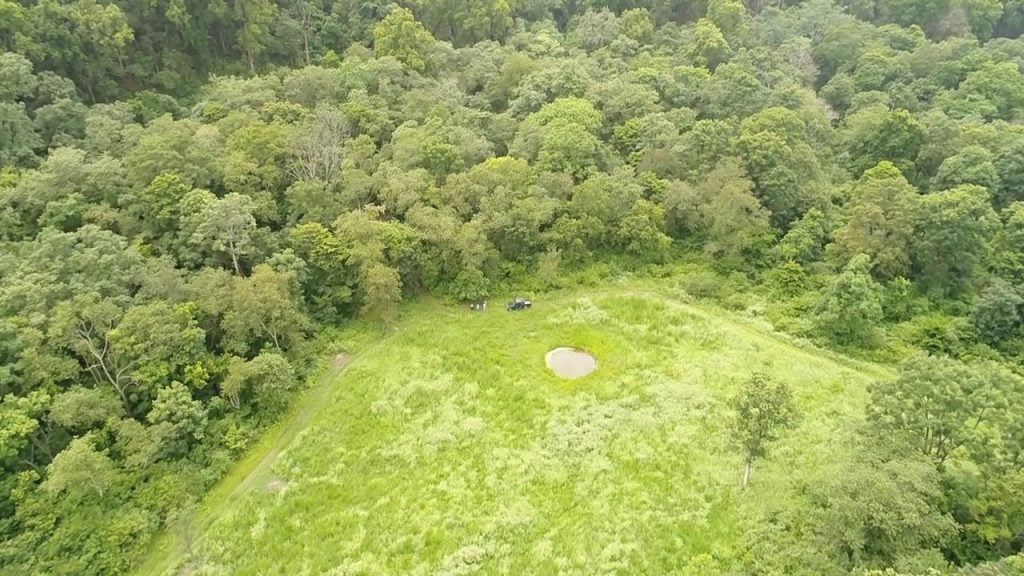
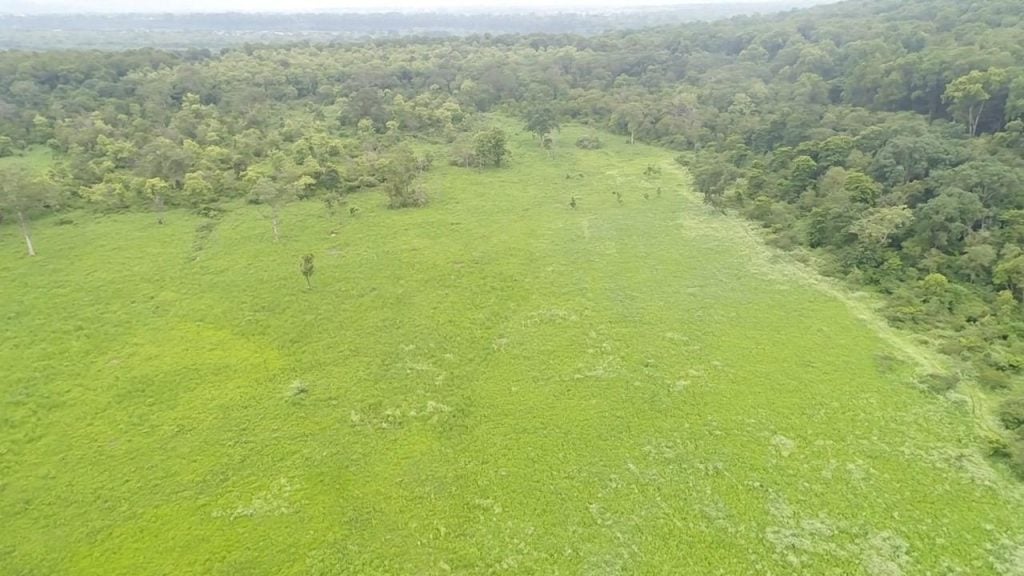
Instead of converting every such patch into forest, the division identified areas where grasslands could provide greater ecological value by supporting herbivores, and, in turn, tigers.
Four such grassland areas were developed. Forest restoration was simultaneously taken up across important landscapes, including the Mohan Corridor, close to Corbett, and the Pawalgarh landscape, which connects towards the Nandhaur side.
Lantana and other invasive species were removed, while native, palatable grasses were encouraged. The objective was simple but fundamental: improve the habitat, improve the prey base and allow the tiger population to sustain itself naturally.
“We removed the invasive species and tried to establish palatable grass species, and that resulted in a significant increase in prey species. Once the prey base improved, we could directly see its relationship with the tiger population, particularly through the number of tigresses that were successfully raising cubs,” Nayak said.
A Forest That Could Feed More Tigers
The division also undertook extensive Assisted Natural Regeneration of Sal forests, addressing degradation caused by heavy human pressure. The formal conservation programme included approximately 1,000 hectares of Sal forest under ANR, while Nayak described ANR interventions across nearly 5,000 hectares during his tenure.
Fuel-load pressures were reduced, natural regeneration was encouraged and degraded forest patches were given conditions to recover. Grassland restoration became another major component.
Lantana-dominated areas were cleared and replaced with native fodder grasses through seed collection, broadcasting, plantation and maintenance. Areas dominated by Vetiveria were also restored by introducing more suitable native fodder species.
Water availability was strengthened through water holes, ponds, contour trenches, check dams and erosion-control works. These interventions mattered because the tiger population depends on what exists below it in the food chain.
Chital, sambar, barking deer, nilgai and wild boar form the principal prey base. Better grasslands, water and forest regeneration mean better conditions for herbivores, and ultimately for tigers.
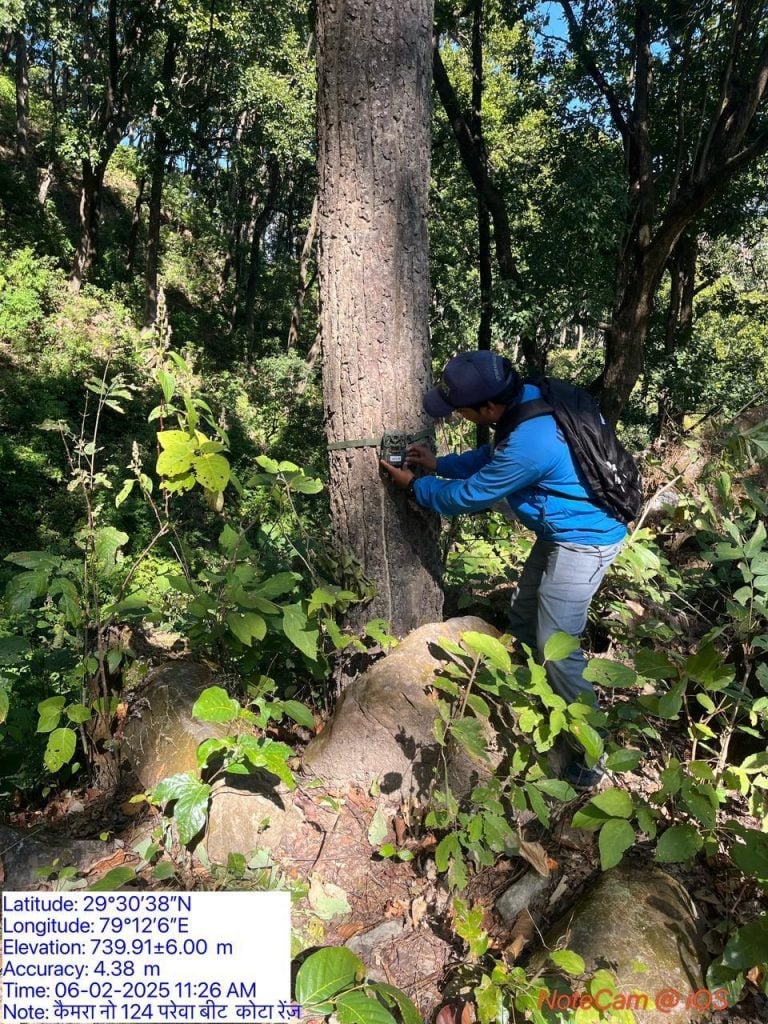
The most visible result came during the camera-trap assessment in early 2025. At least six tigresses were recorded with more than three cubs each. For a tiger landscape, that is an important signal.
Bringing Tiger Reserve-Style Protection Outside a Tiger Reserve
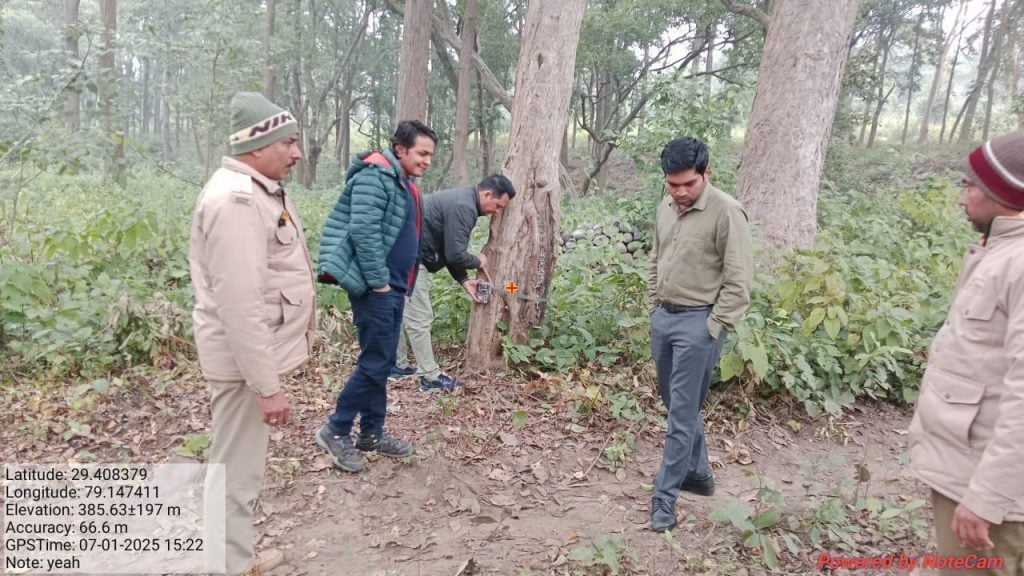
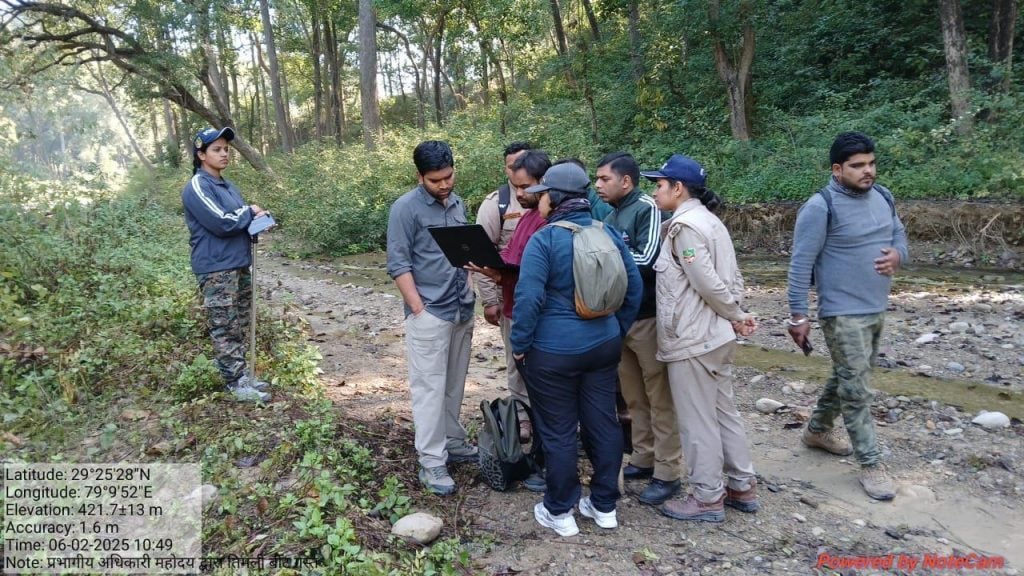
Ramnagar’s conservation experiment was not restricted to habitat improvement. With technical and field support from WWF-India, the division introduced M-STrIPES-based patrolling, bringing systematic digital monitoring into a territorial forest division.
Patrol routes, wildlife signs, field observations and protection activities could now be recorded digitally, making monitoring more systematic and accountable. The approach was particularly valuable across the four major corridors: Kosi, Dabka, Baur and Nihal-Bhakra.
In the Kosi Corridor, the division worked on regulating vehicular movement, stabilising forested islands or Majhaare, reducing sound and light disturbance from tourism infrastructure and restoring degraded forest patches.
Elsewhere, gap plantations, riverbank erosion control, watershed management, water-hole creation and corridor-specific habitat restoration strengthened the larger landscape.
“The problem with Ramnagar is that it is not a tiger reserve. We do not have the same resources or the kind of boundary maintenance that happens in a tiger reserve. There are village access rights, roads between settlements and a lot of human movement. So we had to create a habitat where tigers could move through Ramnagar without constantly being pushed towards villages,” Nayak said.
Conservation That Includes People
In a landscape where people and tigers live side by side, conservation cannot succeed by treating communities as outsiders.
Ramnagar strengthened Village Voluntary Protection Forces and built the capacity of Eco-Development Committees, while local residents were involved in habitat restoration and protection activities.
One particularly innovative effort linked invasive-species removal with livelihoods. Lantana removed from forests was converted into briquettes and biofuel, creating employment while helping offset restoration costs.
The Hameri initiative created additional livelihood opportunities for women from forest-fringe villages through processed food, handicrafts and eco-friendly products, with tourism providing avenues for market linkages.
The larger idea was to make conservation economically meaningful for the people living alongside the forest.
A Model Beyond Protected Areas
The rise from 67 tigers in 2022 to 95 in the 2025 Phase-3 assessment cannot be attributed to one intervention alone.
It came from several pieces working together: forest regeneration, grassland restoration, invasive-species removal, improved water availability, prey-base enhancement, digital patrolling, corridor protection and community participation.
More importantly, Ramnagar demonstrates something increasingly important for India’s tiger story: large carnivores do not live only inside protected areas. They disperse. They cross territorial forests. They move through corridors. And their long-term future depends on whether those spaces between protected areas remain functional.
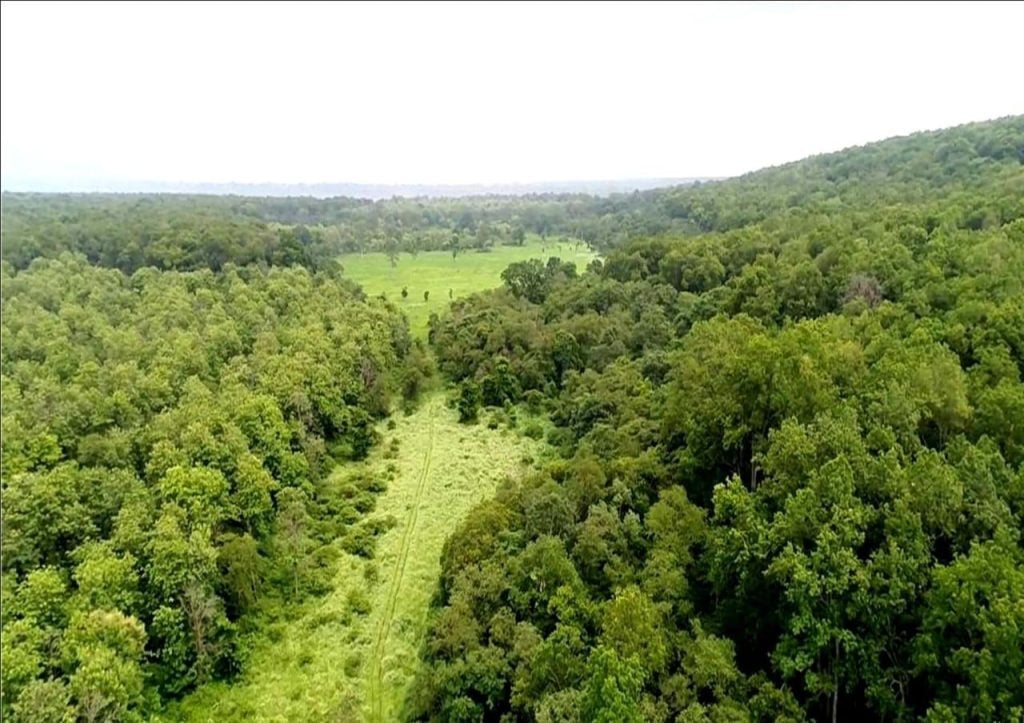
During Diganth Nayak’s tenure, Ramnagar increasingly came to be managed not merely as a territorial forest division, but as a functional tiger landscape, one connecting Corbett’s source population to the wider Terai Arc and the India-Nepal landscape.
Its nearly 20 tigers per 100 sq. km. make the landscape exceptional. But perhaps its greatest achievement is proving that even outside the formal boundaries of a tiger reserve, a forest can be managed well enough to give a growing tiger population room to live, breed and move.
And sometimes, the most important tiger habitat is not the forest with the strongest boundary. It is the forest that connects everything beyond it.
Also read: How IFS Dharam Singh Meena Revived Uttarakhand’s Heval River Through Science and Forest Restoration