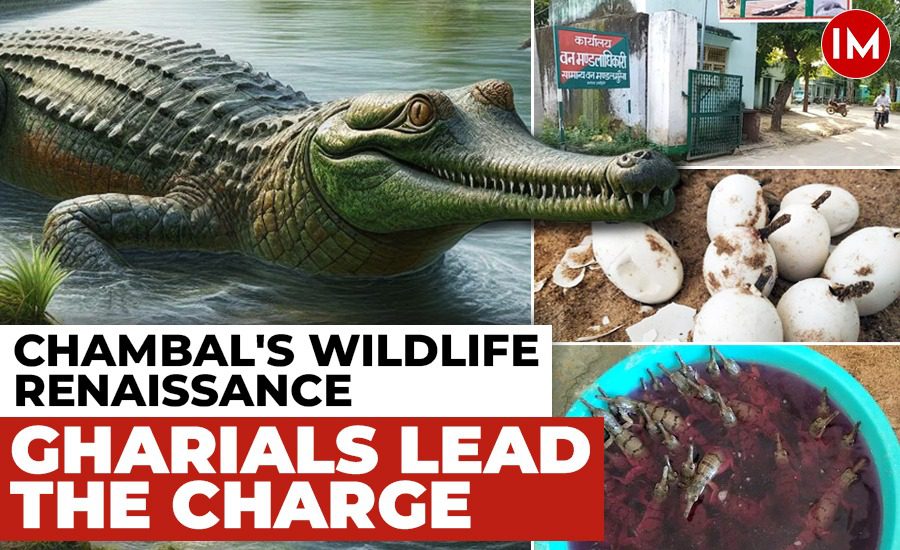
The Chambal region, once notorious for dacoits and rebels, has now carved out a reputation in the realm of wildlife conservation. It is now dominated by gharials and has transformed into a sanctuary for these and other endangered species. The population of these critically endangered creatures in the Chambal River is on the rise. Over the past four decades, the number of gharials has increased fourteen fold in this region’s flowing waters.
This remarkable recovery is attributed to the establishment of the National Chambal Gharial Sanctuary in 1980 and Asia’s largest gharial center, the Deori Gharial Center, situated in Morena district, Madhya Pradesh.
Recently, 84 baby gharials hatched at the Deori Gharial Center were released into the Chambal River, which flows along the border of Dholpur in Rajasthan and Morena district in Madhya Pradesh. This initiative continues to contribute to the resurgence of these endangered reptiles.
Indian masterminds interacted with the 2018 batch IFS officer Swaroop Dixit, the District Forest Officer (DFO) of Morena, to gain further insights.
THE NUMBERS
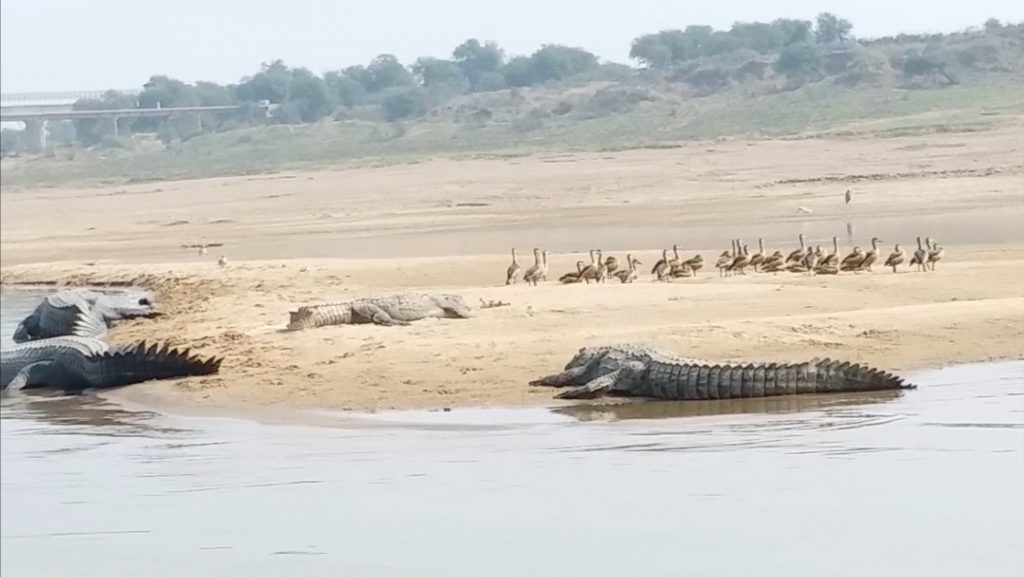
During the census, 2,456 gharials were counted in the Chambal River, making it the river with the highest population of gharials in the country. Following Chambal, the Gandak River in Bihar has the next highest population of gharials, followed by the Girwa River in Uttar Pradesh in third place, the Ram Ganga River in Uttarakhand in fourth place, and the Narayani and Rapti Rivers in Nepal in fifth place for gharial populations.
THE GHARIAL SANCTURY
But this journey was not easy. About four decades ago, gharials were on the brink of extinction worldwide. During a worldwide survey of rivers conducted from 1975 to 1977, 200 gharials were documented, with 46 of them found living freely in the natural habitat of the Chambal River. In response to these findings, the Government of India designated a 435 km stretch of the Chambal River as the National Chambal Gharial Sanctuary in 1978. They also established the Deori Gharial Breeding Center to bolster gharial populations.
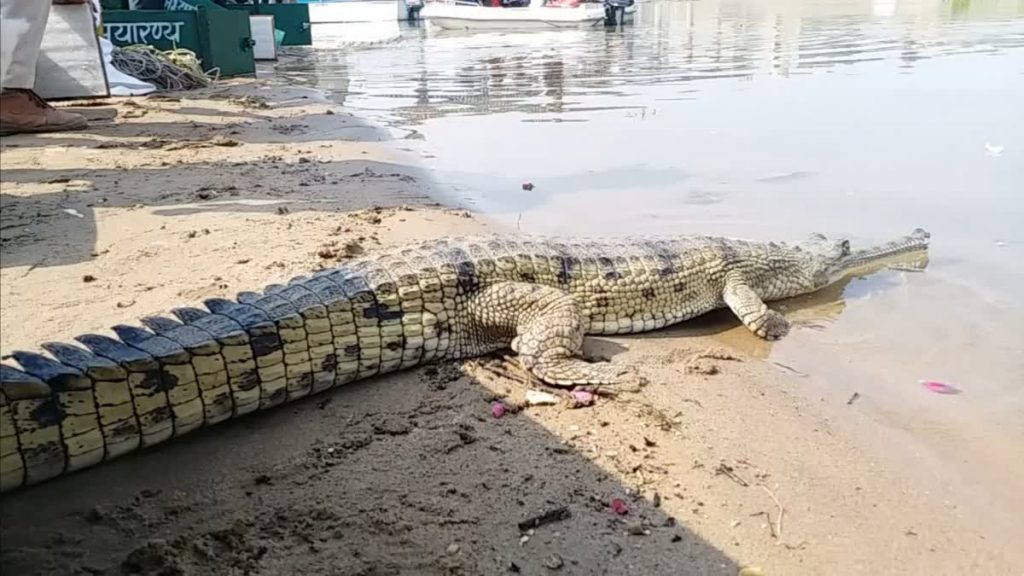
The Sanctuary, located at the junction of Rajasthan, Madhya Pradesh, and Uttar Pradesh along the Chambal River, is a protected area in northern India focused on conserving the critically endangered gharial, the red-crowned roof turtle, and the endangered Ganges river dolphin.
He said, “In 2020, it was further designated as an eco-sensitive zone, emphasizing its importance at the tri-junction of Madhya Pradesh, Uttar Pradesh, and Rajasthan.”
DEORI CENTRE
The Deori Gharial Rearing Centre, situated within this sanctuary, is celebrated for its dedication to conserving the critically endangered gharials. The center focuses on breeding and rehabilitating gharials, tortoises, and crocodiles within its Eco-Park. Through proactive conservation initiatives, the Eco-Park has successfully bolstered populations and endeavors to shield these endangered species from further decline.
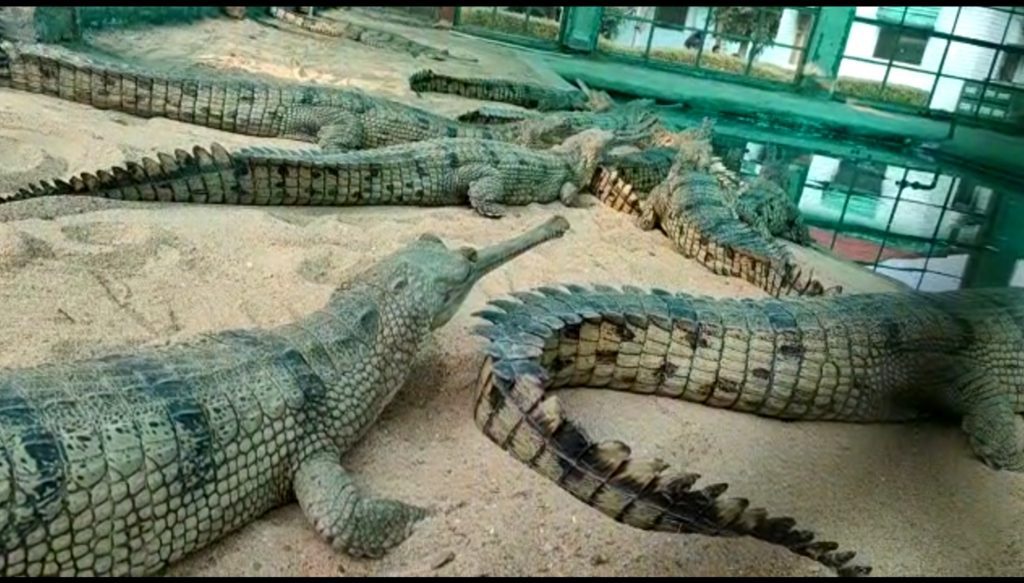
At the center, the gharial population continues to grow steadily. Gharials are released into the Chambal River from large wooden boxes, each equipped with a radio collar ID, enabling them to seamlessly integrate into the river’s natural flow. This facility plays a pivotal role in conserving and promoting aquatic species within an artificial environment.
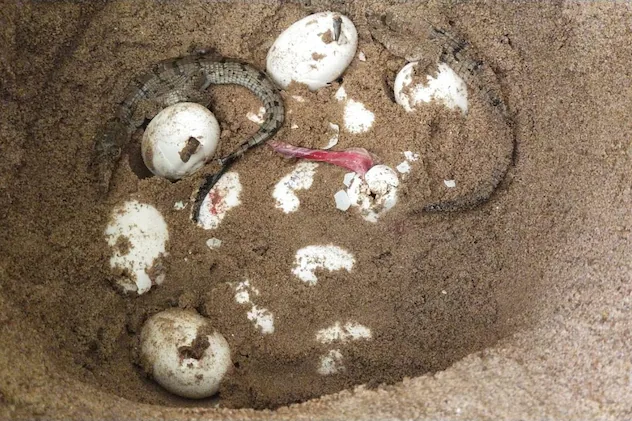
Each year, the center collects 200 eggs from the river, which are carefully incubated at a constant temperature of 30-35 degrees Celsius. Once hatched, the hatchlings are nurtured until they reach a length of 1.2 meters. After three years of meticulous care, these gharials are released into the Chambal Sanctuary. Presently, the center is nurturing 220 baby gharials.
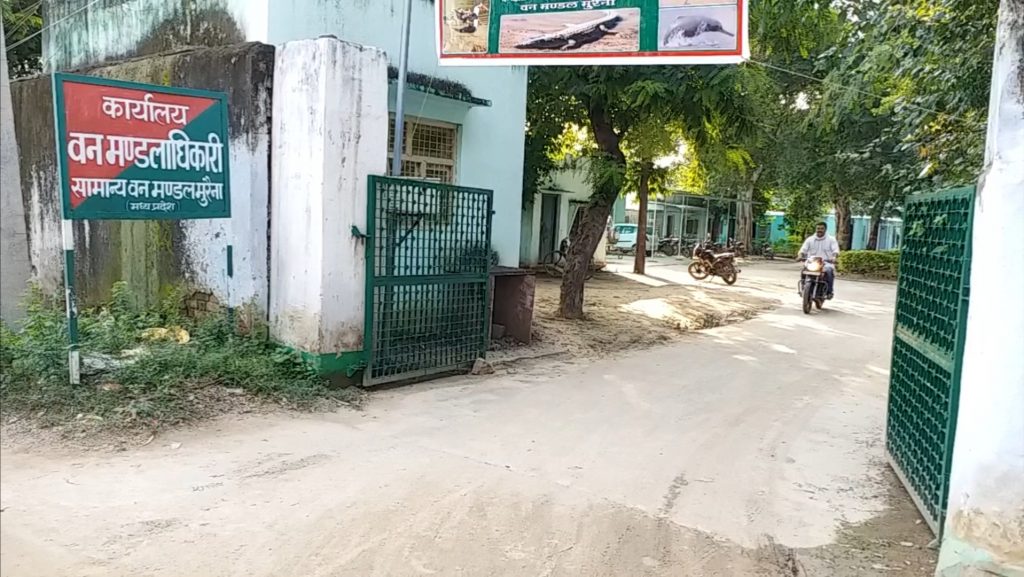
Mr. Dixit highlighted, “At the Centre, hatching success reaches up to 95 percent for the eggs, which are meticulously incubated in their natural nests for 40 days to ensure optimal hatchling development. Subsequently, the young gharials spend an additional twenty days being nurtured at the Deori Gharial Centre before being reintroduced into their natural habitat.”
Gharials typically mate during February, with females laying their eggs between April and June. The female gharial excavates a 30 to 40 cm deep pit in the sand and deposits anywhere from 18 to 50 eggs. First-time egg layers generally produce between 18 to 30 eggs, with subsequent clutches potentially containing more. Approximately one month later, the hatchlings emerge from their eggs. There are approximately 30 nesting sites scattered along the banks of the Chambal River where these natural processes occur.
THE GHARIAL
The Gharial, a fish-eating crocodile native to the rivers of Northern and Central India, is recognized by the distinctive boss at the end of its snout, which resembles an earthen pot (‘Ghara’). Once widespread throughout its habitat, Gharials now inhabit only 2% of their original range. This critically endangered species was reported to have a surviving population of just 900 individuals in the wild as of 2017.