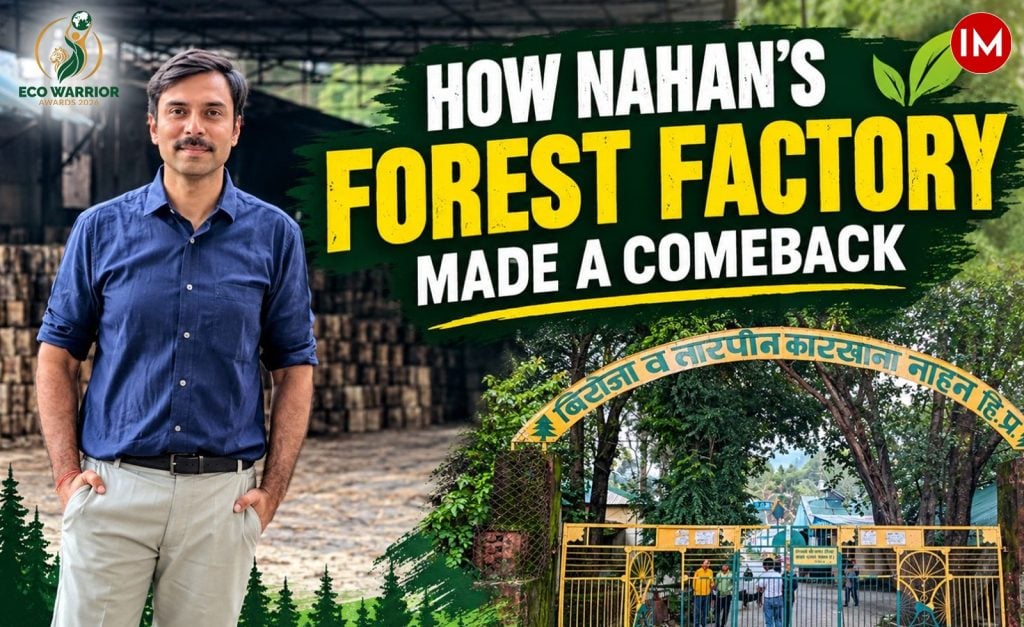
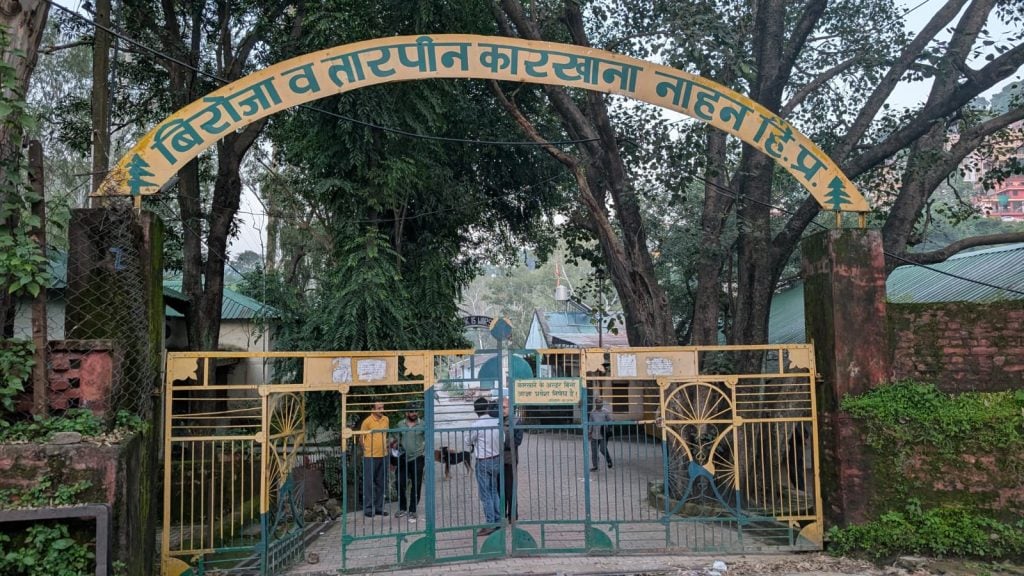
A 70-year-old government factory is not an easy machine to restart.
Its machinery has aged. Its systems have accumulated years of procedural baggage. Market demands have changed. Raw materials do not always arrive when needed. And unlike a private enterprise, every operational decision has to move through layers of government processes and compliance.
Yet, within a year, the Resin & Turpentine Factory in Nahan, Himachal Pradesh, went from running for 230 days to 261 days, increased its rosin production by nearly a fifth and turned an ₹18 lakh loss into an estimated ₹4.5 crore net profit.
At the centre of this turnaround was IFS officer Sarthak Parashar, a 2023-batch Himachal Pradesh cadre officer, who was handling two demanding assignments simultaneously: as General Manager of the Resin & Turpentine Factory, Nahan, and Divisional Manager, Forest Working Division (FWD), Nahan.
For Parashar, however, the numbers were only one part of the story. The larger challenge was finding a way to make a public-sector forestry unit work commercially without losing sight of the forest from which its raw material came.
A COMMERCIAL ENTERPRISE, BUT NOT AT THE COST OF THE FOREST
Forest working has historically had a commercial dimension, but for Parashar, revenue cannot be separated from responsible forest management.
“The challenge in forest working is to maintain a balance. You cannot look at the forest only as a commercial enterprise, but at the same time, the revenue aspect is important too. The objective is to ensure that whatever we do remains viable and sustainable, and that the entire process happens within the rules and regulations governing forest management,” he shared in an exclusive conversation with Indian Masterminds.
That balance became particularly important at the Resin & Turpentine Factory.
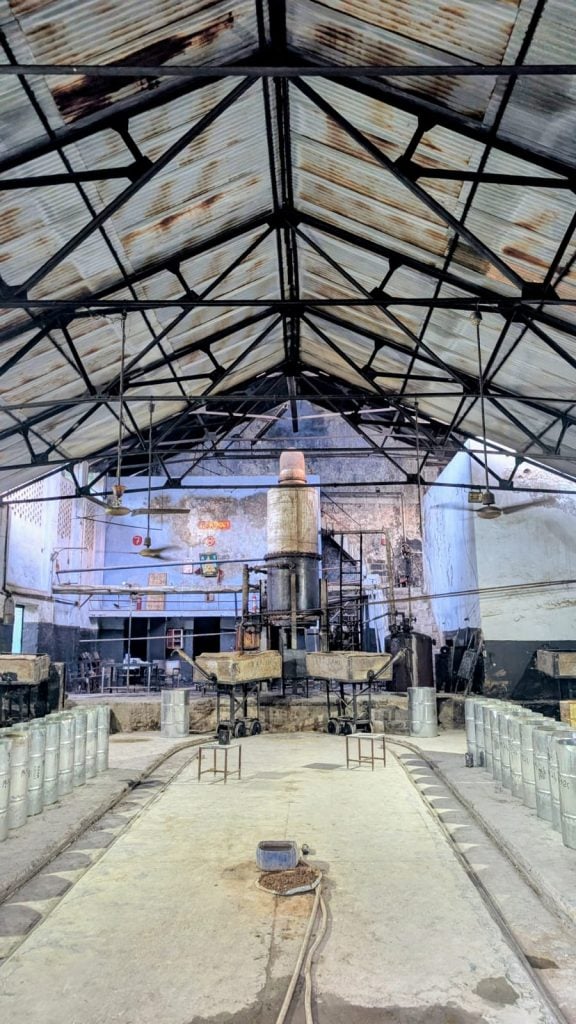
The facility was built around seven decades ago, for a market and operating environment very different from today’s. But it still had something valuable: a product with an established market.
The task, therefore, was not to discard the old system, but to understand where it could still deliver and then make it work better.
THE TURNAROUND BEGAN WITH THE BASICS
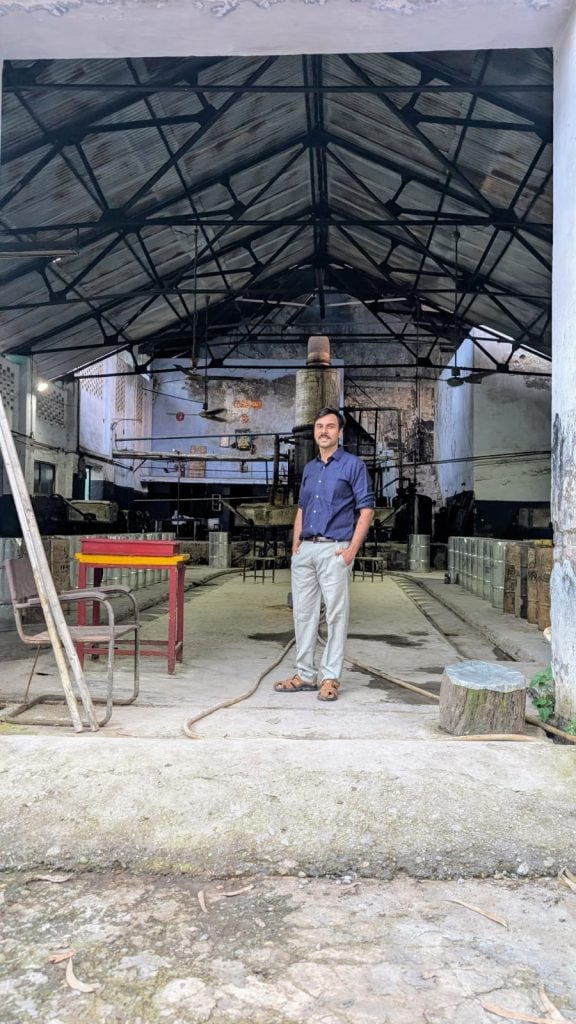
Parashar took charge in November, leaving only around four to five months of the financial year to make an impact. Instead of waiting for problems to appear, his team mapped the potential bottlenecks that could affect production.
Raw material availability was one of them. The factory depended not only on resin, its primary raw material, but also on coal, fuelwood and various chemicals required to keep the boiler and other processes running. A shortage of any one component could bring operations to a halt.
The response was simple but systematic: anticipate the problem before it became a shutdown. Buffer stocks were maintained, upcoming compliance requirements were mapped in advance and issues were addressed as soon as they surfaced.
“If you are running a factory, there are multiple raw materials and multiple points where a bottleneck can arise. We mapped out what could go wrong in the coming months and acted before those problems actually arrived. Instead of waiting until the last minute, we planned ahead and kept reserves wherever they were needed,” says Parashar.
That approach helped push operational days from 230 to 261, a 13.5% increase.
More working days translated into more production. Rosin output climbed from 16,950 quintals to 20,108 quintals, while turpentine oil production rose from 4.20 lakh litres to 4.85 lakh litres. But production alone did not drive the turnaround.
BETTER QUALITY, BETTER RETURNS
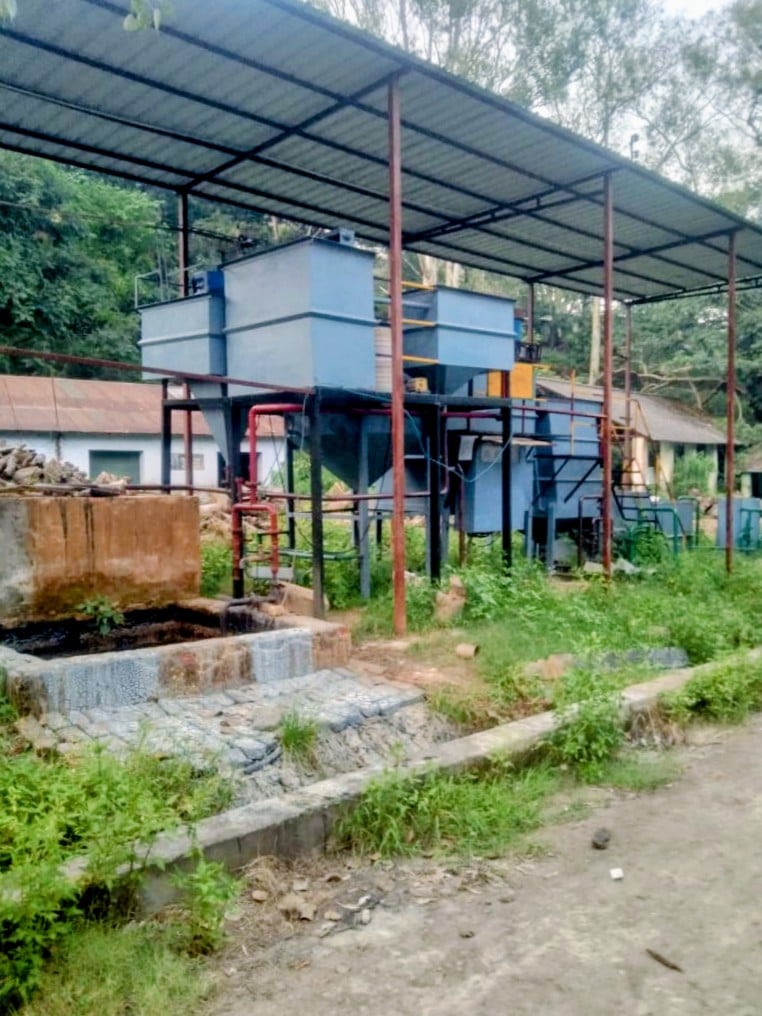
The factory also began paying closer attention to what it was producing.
The share of premium Pale Grade Rosin increased dramatically, from 50.27% to 66.18%. That improvement in quality strengthened sales, with rosin sales rising by 34.8% to ₹19.33 crore.
Overall factory revenue climbed from ₹20.07 crore to ₹25.87 crore, a 28.9% increase. Parashar attributes much of this to combining operational discipline with technical scrutiny.
“The quality of the product was one of the biggest drivers. Our technical staff and chemists constantly looked at what was affecting quality and what changes could be made without disturbing the normal production cycle. In some cases, we introduced process improvements and made targeted capital expenditure so that the quality could improve while the factory continued to operate,” he says.
The result was a factory that produced more, worked longer and generated better-value output, eventually moving from an ₹18 lakh loss to an estimated ₹4.5 crore net profit in a year.
BRINGING TRANSPARENCY INTO FOREST TENDERS
The same focus on systems extended beyond the factory floor.
As Divisional Manager, Forest Working Division, Nahan, Parashar oversaw 11 timber tenders and two resin tenders, while monitoring 101 timber lots and 12 resin lots and conducting 14 inspections.
He also helped increase the share of higher-grade sal timber from 50.42% to 63.28%. But one of the most important reforms was in the tendering process itself.
Parashar identified three principles that needed to remain central: technical qualification, impartiality and transparency. The aim was not merely to conduct a tender according to procedure, but to make the procedure understandable to those participating in it.
Contractors were brought together to discuss tender conditions, while staff across the unit, not just members of the tender committee, were familiarised with the rules.
A two-level process was also introduced for certain aspects where participants had previously expressed doubts about impartiality. Contractors themselves could participate in a randomised selection process, with the process video-recorded to create an additional layer of transparency.
“For a tender process to inspire confidence, three things are essential: technical qualification, impartiality and transparency. People participating in a tender should understand the conditions and be able to see how the process has been conducted and why a particular decision was taken. We tried to build the system around these three principles so that the process was not only compliant, but also understandable and transparent to everyone involved,” Parashar told Indian Masterminds.
GOVERNANCE THAT STAYS CLOSE TO THE GROUND
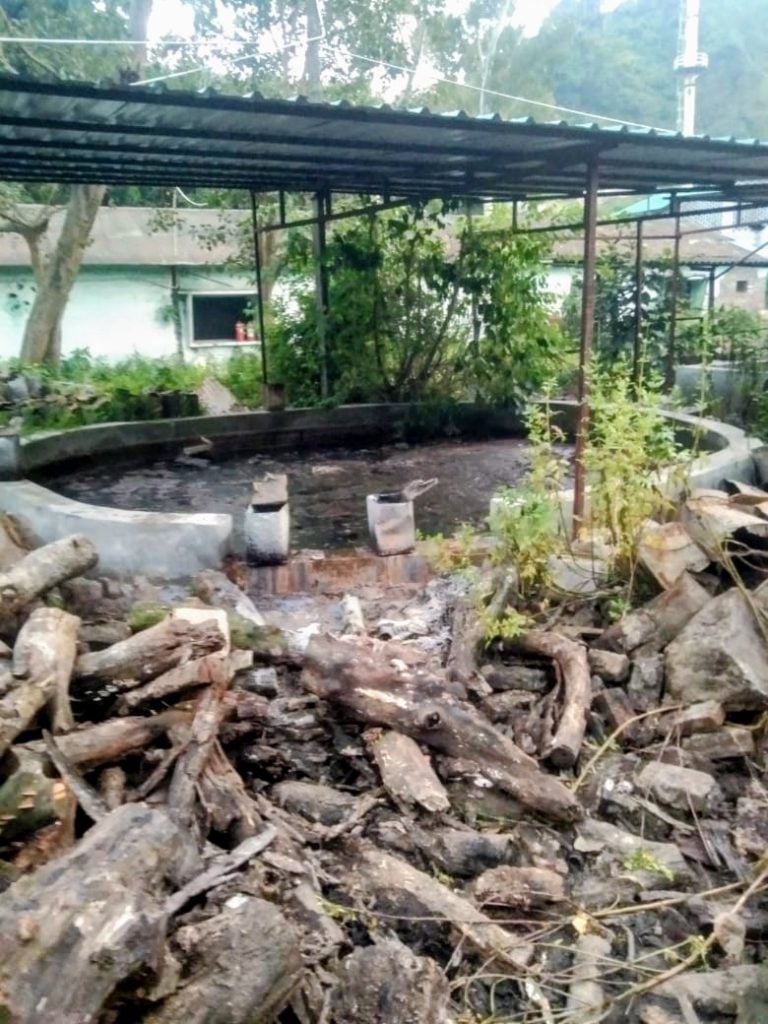
The reforms also extended to environmental compliance, including ETP modernisation, flood-resilient infrastructure and stronger worker-safety measures.
For Parashar, though, technology and systems cannot replace something much more basic: being physically present in the forest. He recalls a lesson from one of his seniors that has stayed with him: “The best fertilizer for a forest is the boots of the forester.”
It is a fitting philosophy for an officer whose work during the year moved between factory floors, tender rooms, forest lots and field inspections.
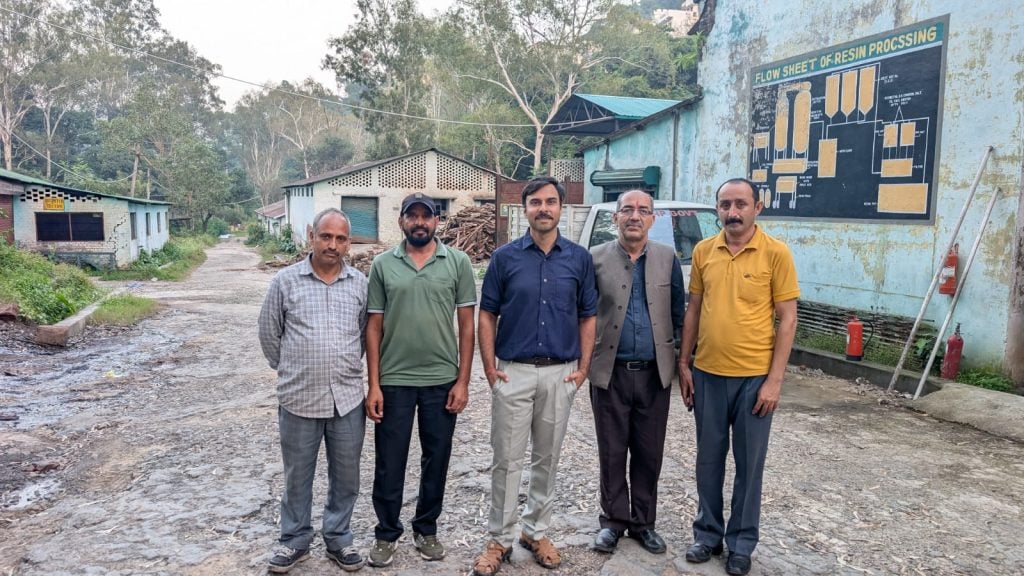
At Nahan, the turnaround was not built around one dramatic intervention. It came through a series of practical decisions: anticipating shortages, improving product quality, maintaining machinery, tightening compliance, inspecting work on the ground and making public processes easier to understand.
And perhaps that is what makes the story of Nahan significant: the attempt to make an old institution work better without forgetting why it exists in the first place and to manage forest resources responsibly while ensuring that the systems built around them remain productive, transparent and sustainable.
Also read: When Villagers Became the Keepers of the River: How Dharam Singh Meena Put Communities at the Heart of Heval’s Revival