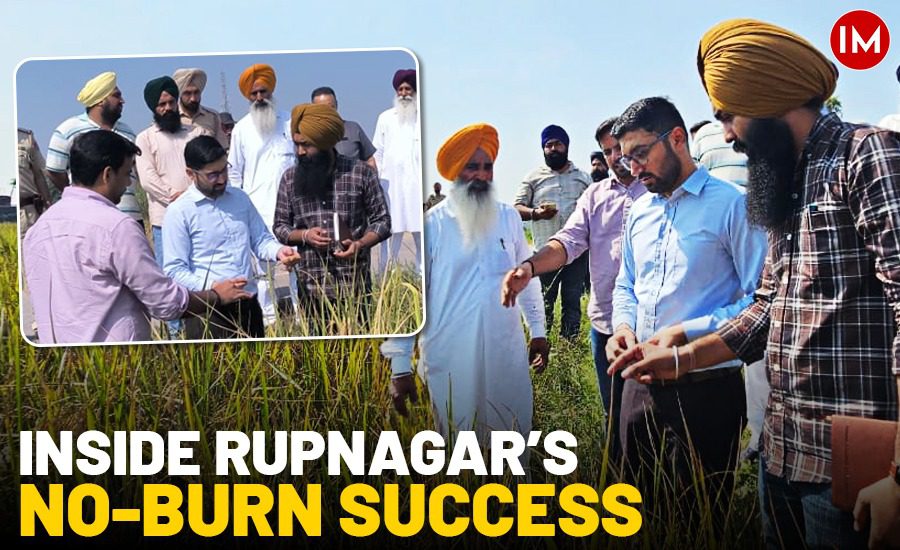
In a season when stubble burning still dominates headlines and contributes to severe air pollution across North India, Rupnagar district marked a rare milestone: zero recorded incidents of stubble burning during the latest paddy harvest season. This means that satellite detections, the primary method used to track fire events, showed no confirmed cases within the district, a feat few others achieved.
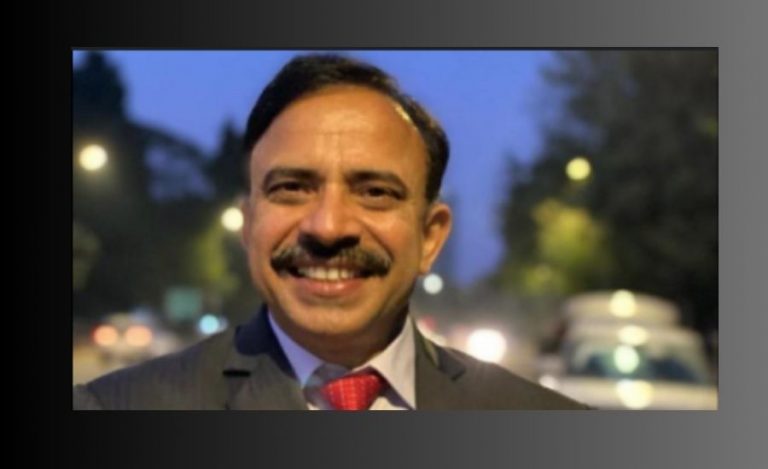
Yet behind this statistic lies a story of strategy, fieldwork, and unprecedented coordination between administration and farmers, and at the centre of it all is the district’s then-Deputy Commissioner, Varjeet Walia, a 2018 batch IAS officer of the Punjab cadre, who shared details about the achievement exclusively with Indian Masterminds.
FROM SATELLITE TO SOIL
The fight against stubble burning begins not on the ground, but in the sky. Satellites constantly scan agricultural lands after paddy harvest, flagging heat events that may indicate fires. These alerts are relayed through the Punjab Pollution Control Board to district administrations, who then verify whether the hotspots are actual stubble-burning incidents.
In Rupnagar this season, the administration “was not able to detect any such incident,” Walia recalls. Simply put, nothing flagged on satellite imagery translated into verified burning on the ground.
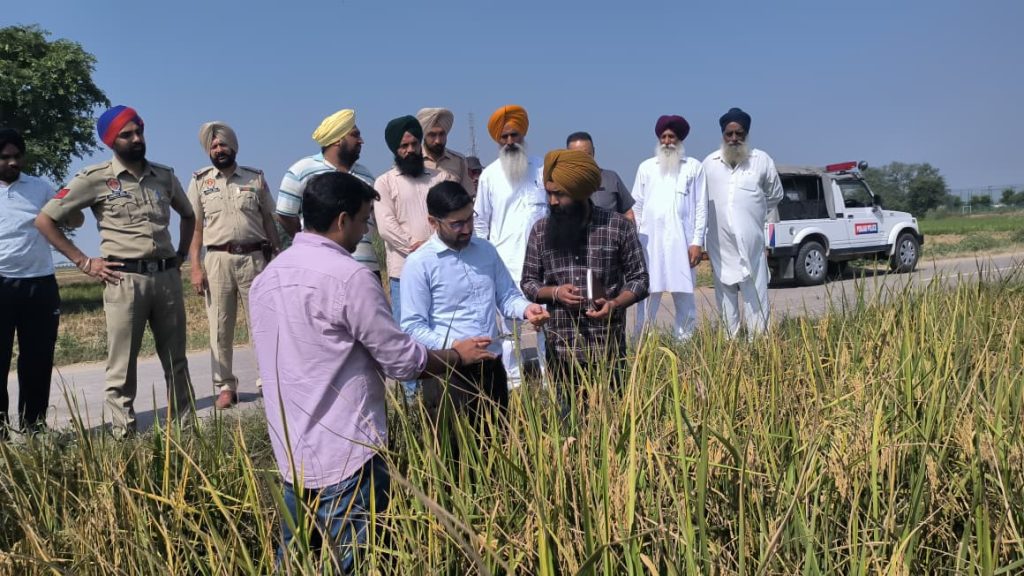
FARMING RHYTHMS AND TACTICAL ENTRY POINTS
Farmers bring harvested paddy to mandis, the agricultural markets, as their first step after reaping the crop. What happens next determines whether stubble is managed or burnt.
“After they sell their crop and get back to the fields, they prepare for the next crop, and that is when stubble burning happens.”
This routine became an operational insight: mandi arrivals serve as early warning signals for potential future stubble burning sites, which became a good starting point for pinpointed action. This intelligence allowed targeted engagement with farmers ahead of time, significantly tightening prevention efforts.
MACHINERY, PLANNING AND THE LAST MILE PUSH
A cornerstone of the strategy was ensuring Crop Residue Management (CRM) machinery reached farmers and was put to effective use. These machines, from Super Seeders to Straw Management Systems, provide alternatives to burning by either incorporating stubble into soil (in situ) or bunding it for external use (ex-situ).
Walia outlines the meticulous groundwork: planning expected land area, harvest yields, stubble quantities, in-situ versus ex-situ needs, and where straw balers and buyers were available. This mapping included deals with factories and paper mills that could take up baled stubble.
Village-level planning followed. Officials estimated how much land a CRM operator could cover daily and assigned machines accordingly, ensuring that coverage plans were precise down to operator contacts and responsibilities.
REDESIGNING THE ADMINISTRATION’S ROLE
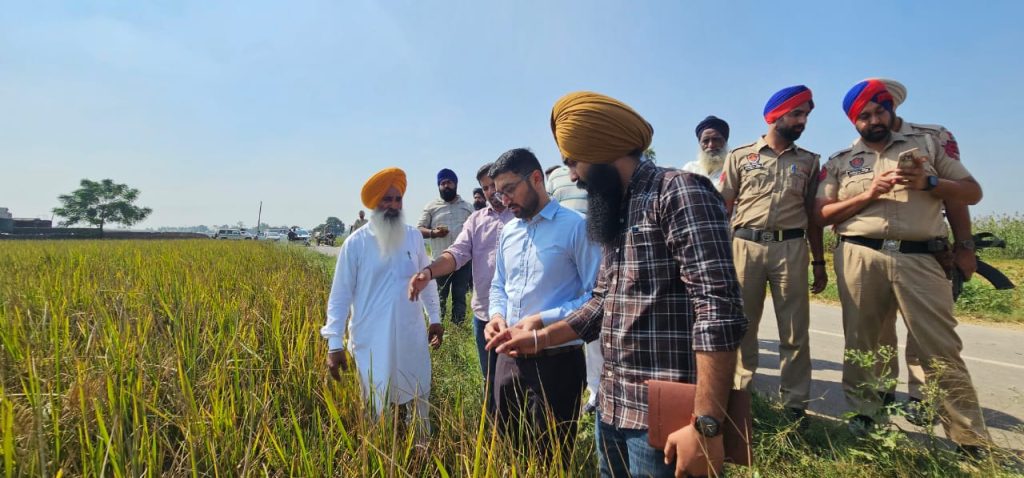
Instead of traditional broad district oversight, Walia deployed a novel focused team approach. He identified villages with no burning history, around 125 out of approximately 611 in the district, and used these as mentoring models. From this group, 11 teams were formed by pairing IAS/PCS officers with SP/DSP counterparts, with each team responsible for about 10 specific villages.
“I told the ADCs … I have to ask you only about your village. There is nothing else; your responsibility is exclusively these 10 villages,” he shared with Indian Masterminds.
This structure ensured clear ownership, allowing officers to concentrate energies where they mattered, rather than juggling expansive subdivisions. Importantly, presence itself became an enforcement tool. Even simply driving through villages signalled monitoring and deterred potential burning.
CREDIT WHERE IT BELONGS
Despite being at the administrative helm during this achievement, Walia consistently emphasised that the real credit belongs to farmers.
“At the end of the day, unless they decide ‘we don’t want to do it’, then it won’t work… credit should go to the farmers,” he said.
His words underscore a vital reality: policy and planning can guide, but sustainable change hinges on farmers’ choices.
RISING POLLUTION DESPITE PROGRESS
Even as Rupnagar recorded zero stubble burning, the air quality in Punjab and neighbouring states remained under strain this season. Across Punjab overall, stubble-burning incidents this year were down sharply, by more than half compared to previous years, but pollution spikes have not vanished entirely.
The Air Quality Index (AQI), a measure where values above 200 indicate poor air conditions, still registers unhealthy levels in many regions during the winter months. These figures highlight that stubble burning is no longer the sole driver of pollution spikes, with vehicles, industry emissions and weather conditions also compounding smog episodes.
SCALING WHAT WORKS
Rupnagar’s zero-burn milestone is not an endpoint but a learning model. Other districts have started adopting similar focused, data-driven, village-level engagement strategies. While statewide declines in stubble burning are documented, there is still work to be done to align environmental goals with agricultural realities.
As Walia himself suggests, incremental improvements in every district, even 10% at a time, will eventually reshape the larger regional picture.