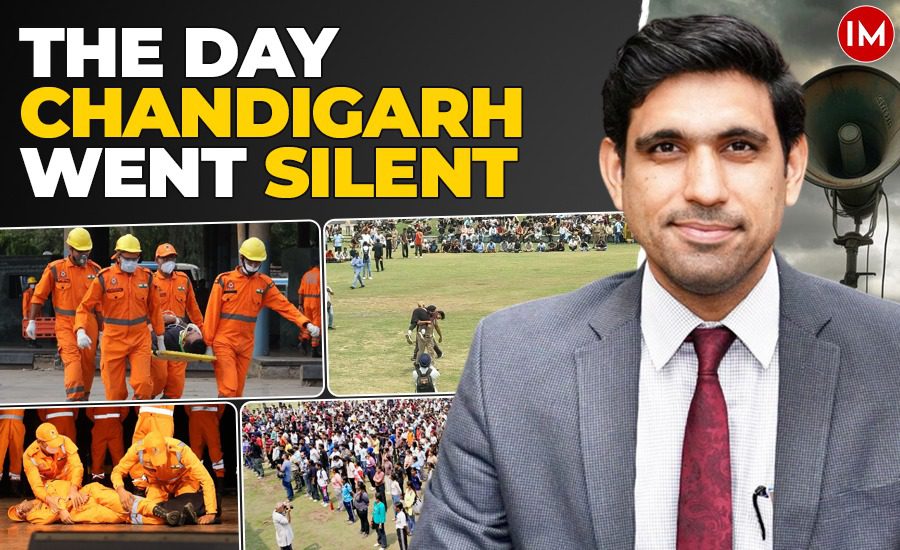
The sudden stillness that descended upon Chandigarh in the recent days was more unsettling than any noise. The familiar hum of city life – the chatter of markets, the rush of traffic, the laughter of children – was abruptly muted, replaced by an unnerving quiet punctuated only by the piercing wail of air raid sirens. For the residents of this meticulously planned city, the recent days brought an unprecedented reality: the threat of aerial attacks and the imperative of complete darkness. How did the administration navigate this tense period, and how did the people respond to the call for blackout and shelter?
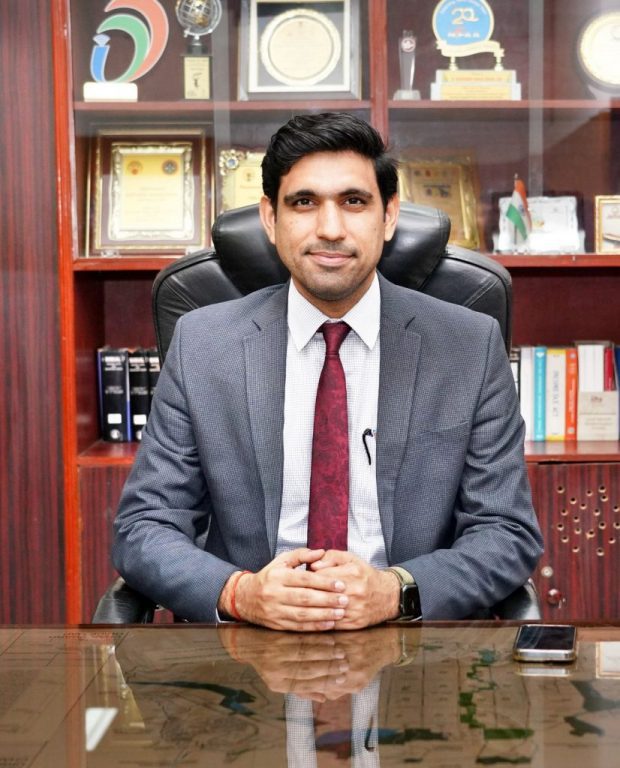
In an exclusive conversation with Indian Masterminds Nishant Yadav, IAS, (2013 batch, Haryana cadre) the Deputy Commissioner of Chandigarh, recounts the meticulous preparations and the remarkable civic response that defined those anxious hours. The process began with an urgent call from the Air Force Station, Chandigarh, relaying information about incoming aerial threats – be it drones, missiles, or aircraft. This immediate alert triggered a well-rehearsed system.
THE ALERT SYSTEM: SIRENS AND SPEAKERS
“Our first line of action was the city’s network of sirens,” explains Mr Yadav. “We have 20 strategically placed sirens, and we are in the process of installing 30 more to ensure comprehensive coverage. As soon as we received the alert, these sirens were activated, their sound designed to reach every corner of Chandigarh.”
To ensure the public understood the gravity of the siren’s call, the administration had conducted a rehearsal on the 7th of May. This proactive step aimed to instill a sense of preparedness, urging citizens to immediately seek shelter indoors and enforce a blackout. Complementing the sirens were speakers installed at approximately 40 major roundabouts, broadcasting the same warning signals, further amplifying the message and prompting people to head indoors and extinguish lights.
IMPLEMENTING THE BLACKOUT PROTOCOL
The blackout protocol involved multiple layers. Firstly, a voluntary effort was urged upon residents to switch off lights in their homes. Simultaneously, the Chandigarh administration took control of street lighting, plunging the city into darkness. A unique challenge arose with the prevalence of solar lights, which automatically illuminate upon detecting darkness. Dedicated teams were deployed to temporarily disable these lights, ensuring complete obscurity. As a contingency measure, the administration also possessed the option of a compulsory grid shutdown, allowing for a complete power cut to the entire city if necessary.
Beyond the immediate actions, the administration issued clear advisories for those caught outdoors. “If someone was travelling and couldn’t reach home quickly upon hearing the sirens,” Mr Yadav elaborates, “the instruction was to pull their vehicle to the side and immediately seek shelter indoors. The danger wasn’t just from a direct hit. Even if our air defence systems successfully intercepted a threat, the falling debris and splinters posed a significant risk to anyone outside.”
THE PUBLIC RESPONSE: DISCIPLINE AND COOPERATION
The success of these protocols hinged on the cooperation of Chandigarh’s residents. Their response, according to Mr Yadav, was exemplary. “They acted with remarkable self-discipline, restraint, and fortitude. We even thanked them publicly during press briefings. Barring one instance that necessitated a compulsory grid shutdown during a serious alert, the blackouts were largely voluntary, and the compliance was outstanding.” On several occasions, the administration had requested residents to refrain from leaving their homes after 7 or 9 PM, and shopkeepers were asked to voluntarily close their establishments – requests that were overwhelmingly respected.
CHALLENGES FACED DURING THE CRISIS
However, managing a city under the shadow of potential air raids presented its own set of challenges. The issue of solar-powered lights and the automatic illumination of security cameras in darkness required swift technical intervention. The limited reach of the initial 20 sirens necessitated the utilization of roundabout speakers as an immediate solution, underscoring the need for the ongoing expansion of the siren network.
BOLSTERING CIVIL DEFENCE: THE VOLUNTEER SURGE
Another significant challenge was the initial lack of civil defence volunteers. With only 300 volunteers, the administration recognised the urgent need for a larger force to assist with various tasks, from manning sirens and control rooms to aiding in rescue operations and providing support in shelters. A public call for volunteers yielded an overwhelming response. “We were expecting around a thousand people,” Mr Yadav recalls, “but an astounding 5,000 individuals came forward. We registered 3,800 volunteers in a single day, which is phenomenal. For a city with an estimated population of 2 million, the norm is around 2,000 volunteers. We have more than doubled that.”
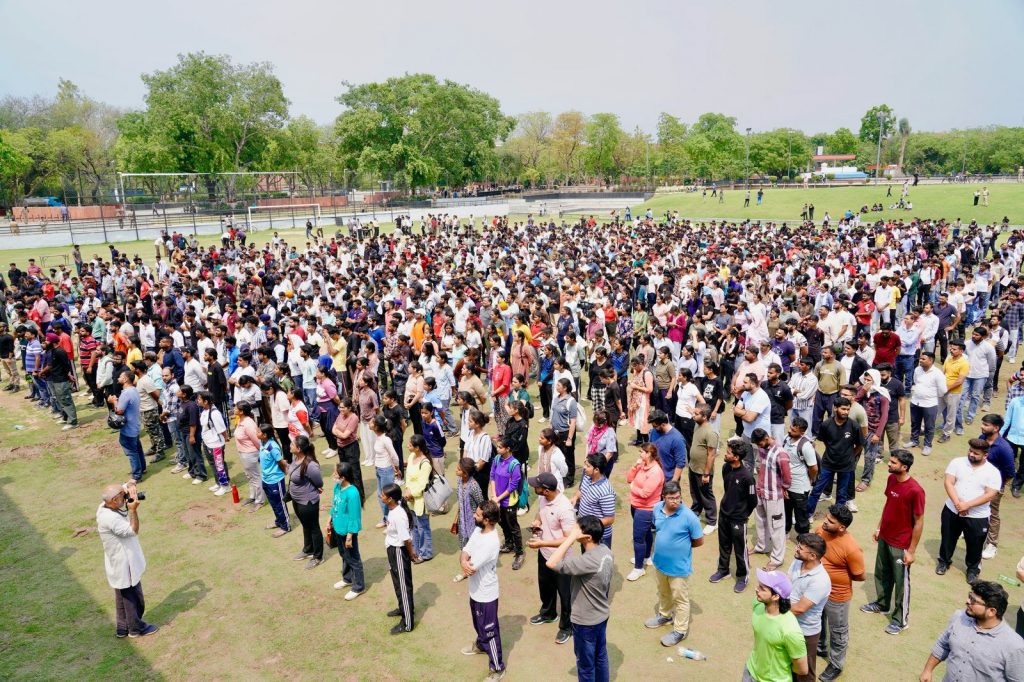
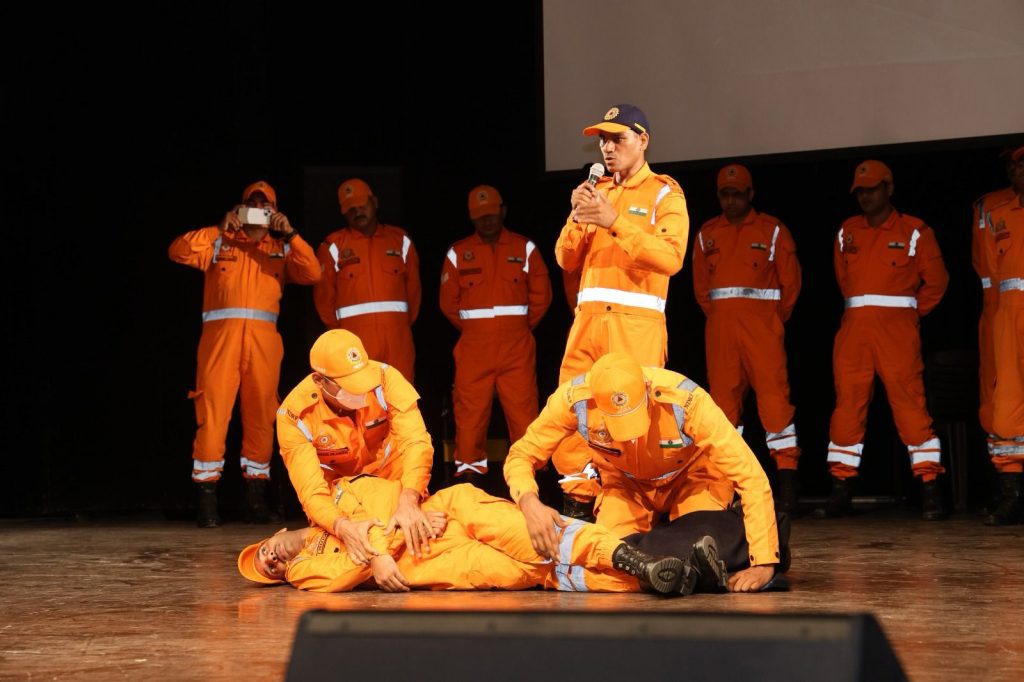
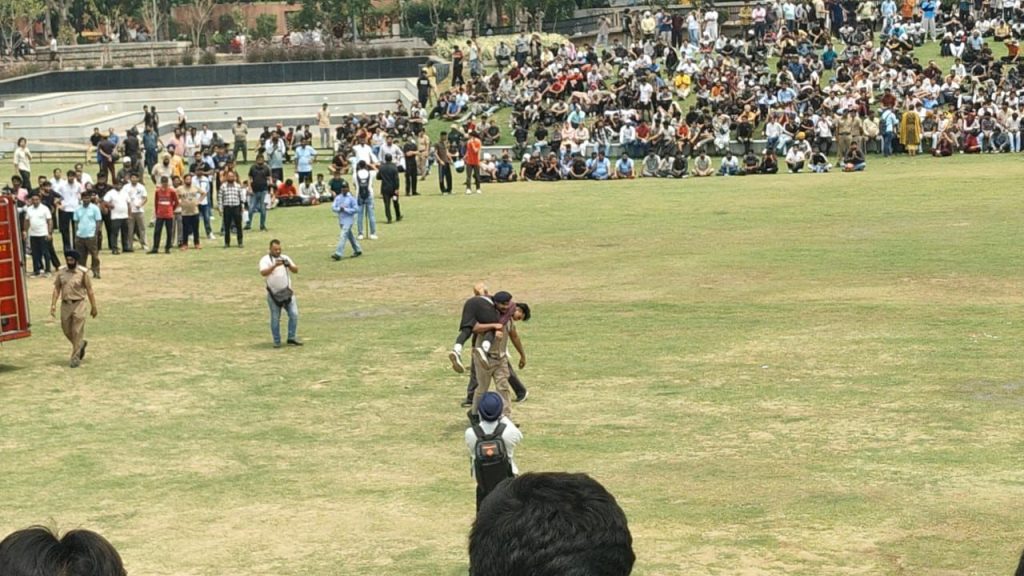
These newly enlisted volunteers are now undergoing comprehensive training, including first aid through the Red Cross, civil defence protocols, and disaster management techniques with the National Disaster Response Force (NDRF). They will be deployed as sector wardens, with each warden overseeing approximately 50 volunteers. Their responsibilities will range from disseminating information and assisting with evacuations to managing shelters, distributing aid, and ensuring blackout compliance – essentially bolstering the city’s capacity to handle any civil emergency.
RESTORING NORMALCY AND PUBLIC CONFIDENCE
With the news of a ceasefire, the Chandigarh administration is now focused on restoring a sense of normalcy and public confidence. Increased patrolling by police and other officers in markets and public spaces aims to provide reassurance. Constant communication with the airbase ensures timely alerts for any future concerns. The Emergency Operation Centre (EOC) is being upgraded with state-of-the-art technology to enhance preparedness for any emergency.
Crucially, the focus is on seamless information dissemination. Hotlines are being established between vital installations to ensure swift communication, even if mobile networks are compromised. Satellite phones have been procured, and hotlines are being set up between key personnel to facilitate rapid information flow. “We are essentially strengthening our civilian defence system at every level,” IAS Nishant Yadav stated to Indian Masterminds.
COMBATING FAKE NEWS AND MISINFORMATION
Addressing the challenge of misinformation, the administration implemented a strategy of regular and transparent communication. Daily press briefings provided updates and crucial information to the public. Furthermore, Resident Welfare Associations (RWAs) and market associations were effectively utilised as channels for disseminating authentic information directly to residents. “I held daily meetings with these associations,” says Mr Yadav. “With almost every resident connected to their sector’s RWA, any information shared with them was quickly circulated, effectively countering the spread of fake news.”

A MESSAGE FOR THE FUTURE: UNITY AND DISCIPLINE
Looking ahead, IAS Nishant Yadav has a clear message for the residents of Chandigarh: “In any future emergency, our collective strength lies in our unity and discipline. By supporting our armed forces through vigilance and adherence to guidelines, we amplify their effectiveness. A strong civilian defence bolsters morale across the board. We must remain prepared, both logistically and mentally, for any eventuality. The cooperation shown by the people of Chandigarh has been exemplary, and I appeal to everyone to maintain this spirit of responsibility and continue to follow the directions of the administration.”
The recent days in Chandigarh served as a stark reminder of the unpredictable nature of conflict. Yet, they also illuminated the remarkable capacity of a community to come together, to act responsibly, and to face adversity with fortitude. The silence punctuated by sirens became a testament not to fear but to a collective resolve, a shared understanding of the need for order and cooperation in the face of the unknown. The lessons learned and the systems put in place will undoubtedly serve Chandigarh well, reinforcing its preparedness and the strong bond between its administration and its resilient citizenry.