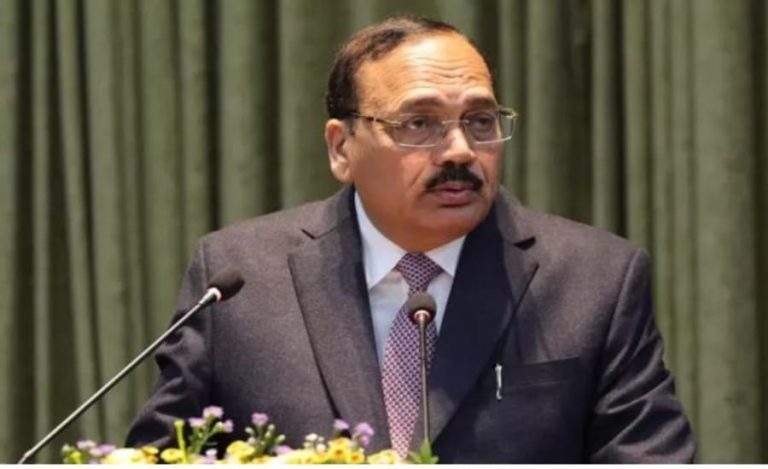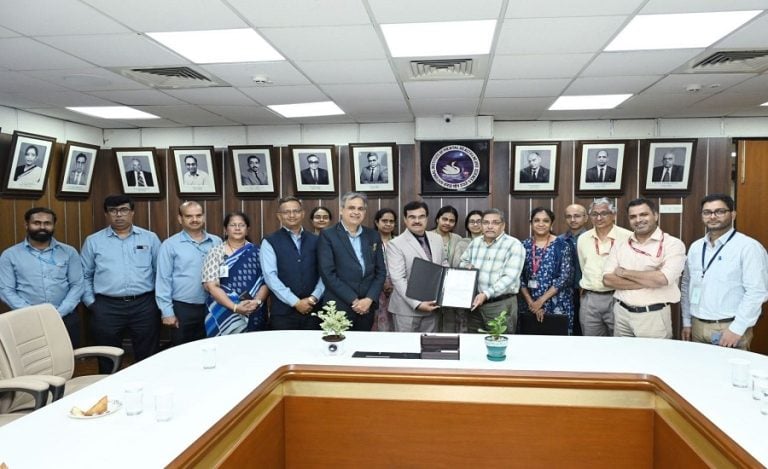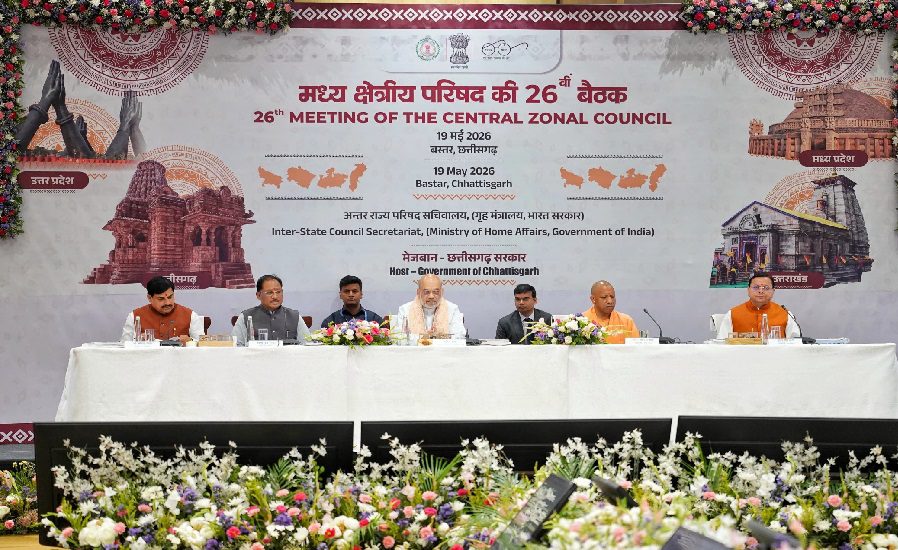
Bastar: Amit Shah, Union Home and Cooperation Minister, chaired the 26th meeting of the Central Zonal Council in Bastar, Chhattisgarh, and declared that India has achieved a historic milestone by becoming free from Naxalism.
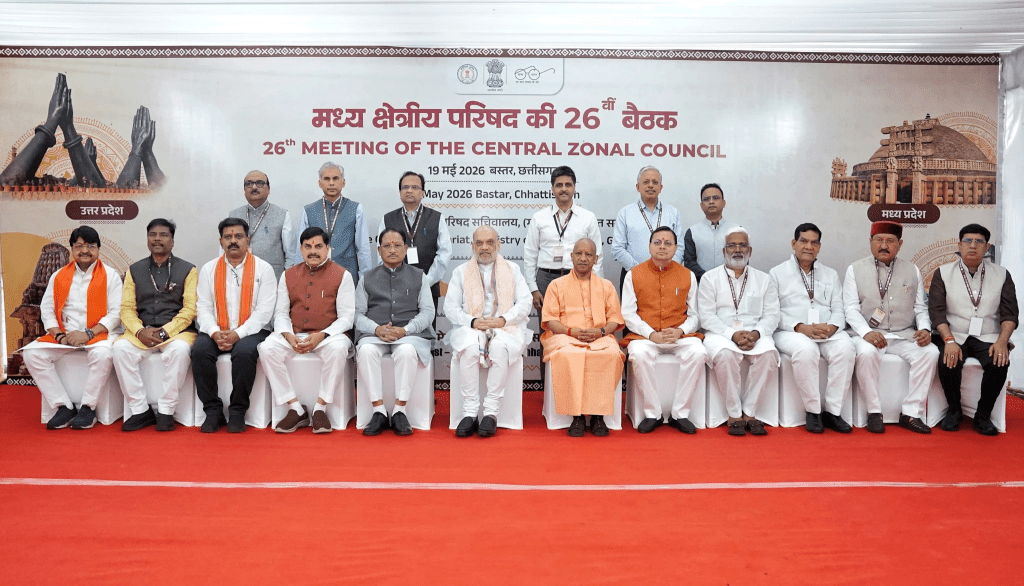
The meeting was attended by Chief Ministers including Vishnu Deo Sai, Mohan Yadav, Yogi Adityanath, and Pushkar Singh Dhami, along with senior officials from the Centre and member states.
Amit Shah Congratulates PM Modi on Historic Anti-Naxal Achievement
Addressing the meeting, Amit Shah congratulated Narendra Modi for the success of anti-Naxal operations across the country.
He credited security forces, intelligence agencies, state police, and Central Armed Police Forces (CAPFs) for their coordinated efforts in eliminating Naxalism from Bastar and other affected regions.
According to Shah, the “Whole of Government Approach” played a major role in combining security operations with development initiatives in former Naxal-hit areas.
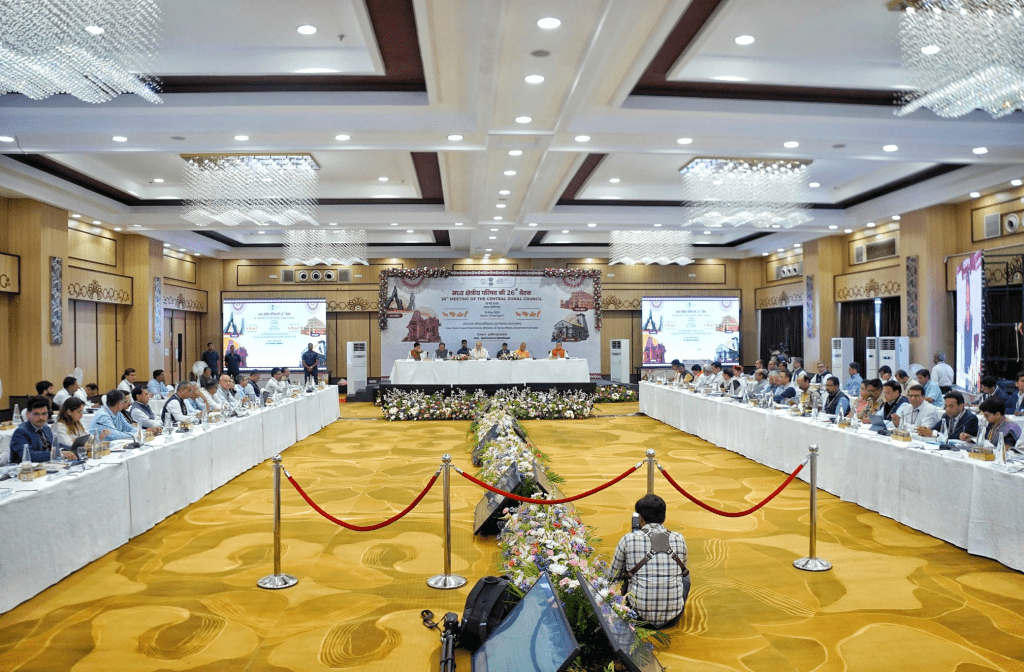
Bastar Declared Free from Naxalism Before Meeting
The Union Home Minister highlighted that Bastar became Naxal-free before the commencement of the meeting, calling it a major achievement for the region and the country.
He said that while security operations have achieved success, the government’s mission will continue until formerly affected regions become equal to the rest of India in terms of development and infrastructure.
Focus Shifts from Security to Development in Naxal-Affected Areas
Amit Shah stressed that development remains the next major priority for central India.
He said the government will continue working on:
- Rural development
- Infrastructure expansion
- Healthcare and nutrition
- Education quality improvement
- Financial inclusion
- Employment generation
He emphasized that areas affected by Naxalism for decades must now receive sustained development support.
Regional Council Meetings Become More Effective Under Modi Government
The Home Minister stated that Zonal Council meetings have become more productive and result-oriented under PM Modi’s leadership.
According to Shah:
- Regional council meetings increased from 11 (2004–2014) to 32 after 2014
- Standing committee meetings rose significantly
- More than 1,700 issues were discussed between 2014 and 2026
- Around 80% of the issues have been resolved
He also said disputes among states and between states and the Centre have reduced considerably.
Amit Shah Calls for Action on Malnutrition, Education and Cybercrime
The Home Minister urged all participating states to strengthen governance in key sectors.
Fight Against Malnutrition
He appealed to Chief Ministers and Chief Secretaries to work together against malnutrition and improve nutrition programmes.
Improve Education Standards
Shah emphasized reducing school dropout rates and improving educational quality.
Stronger Conviction Rates in POCSO and Rape Cases
He said timely DNA testing can help achieve near 100% conviction rates in serious criminal cases.
Cybercrime Preparedness
States were asked to upgrade their 1930 cybercrime helpline systems according to Union Home Ministry standards.
Push for Faster Judicial Process and Criminal Justice Reform
Amit Shah also stressed the need for speedy disposal of criminal cases pending for more than five years.
He suggested that High Courts establish special courts for faster resolution of serious criminal matters.
The Home Minister added that the government aims to ensure criminal cases reach final resolution, including Supreme Court-level proceedings, within three years before 2029.
Jal Jeevan Mission, DBT and Rural Banking Discussed
The meeting also reviewed development initiatives such as:
- Jal Jeevan Mission Phase 2
- Direct Benefit Transfer (DBT) implementation
- Rural banking accessibility
- Urban planning and electricity reforms
Shah said access to banking facilities within every 5-kilometre radius is essential for welfare delivery and financial inclusion.
The 26th Central Zonal Council meeting in Bastar marked a major political and administrative milestone as the government declared India free from Naxalism. With security operations yielding results, the Centre and states are now focusing on long-term development, governance reforms, and infrastructure growth across central India.