New Delhi: Union Railway Minister Ashwini Vaishnaw has announced eight more structural reforms under the ‘Reform Express’ initiative to modernise Indian Railways’ freight ecosystem, improve operational efficiency, and strengthen India’s logistics network.
With the latest announcements, the total number of reforms introduced under the initiative has reached 17. The new measures focus on freight transportation, containerisation, construction practices, wagon innovation, skill development, project execution, and ease of doing business.
Addressing the media at Rail Bhawan, New Delhi, Ashwini Vaishnaw said Indian Railways is working towards building a future-ready railway system through a target of implementing 52 reforms in 52 weeks.
Eight New Reforms to Modernise Railway Freight System
The latest reforms are designed to increase efficiency, encourage innovation, attract private participation, and shift more freight traffic from road to rail.
The newly announced reforms include:
- Fly ash transportation through specialised containers.
- Simplified container train operator licensing.
- Fertilizer transportation reforms.
- Skilling policy for railway project workers.
- Construction sector reforms.
- New wagon design approval framework.
- Petroleum product transportation reforms.
- Foodgrains, flour and pulses transportation reforms.
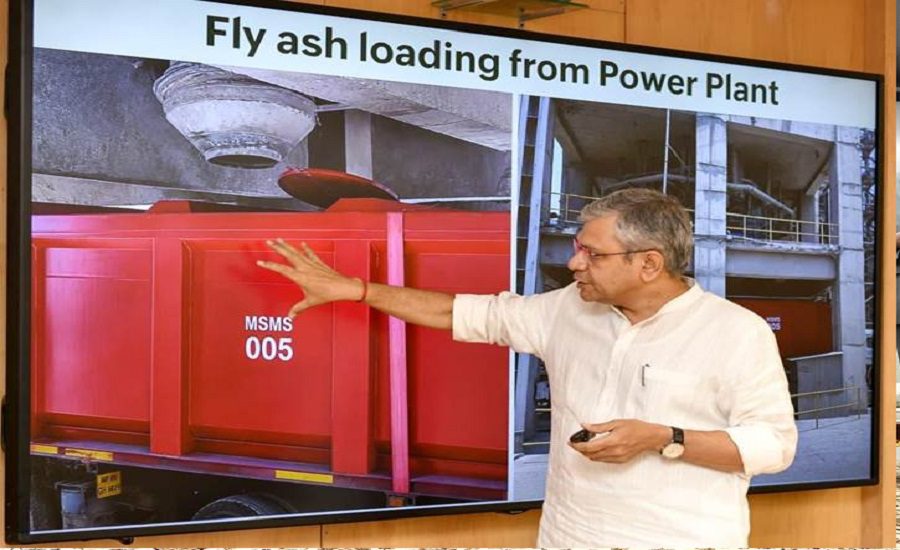
Reform 10: Dust-Free Fly Ash Transportation Through Containers
Railway Minister Ashwini Vaishnaw highlighted that India generates around 340 million tonnes of fly ash annually, with nearly 96 million tonnes used by the cement industry.
Indian Railways transported around 13 million tonnes of fly ash during FY 2025-26, accounting for nearly four per cent of total fly ash generation.
Earlier, fly ash was transported through open wagons, creating challenges such as dust pollution during loading, transportation, and unloading.
Under the new reform, Indian Railways will introduce ISO-standard specialised containers for fly ash transportation.
The container-based system will:
- Prevent dust pollution.
- Enable safe storage at cement plants.
- Improve transportation efficiency.
- Reduce dependence on road transport.
- Promote sustainable utilisation of fly ash.
Reform 11: Single Pan-India Container Train Operator Licence Introduced
To increase containerisation and attract private investment in freight operations, Indian Railways has replaced the existing four-category Container Train Operator (CTO) licensing system with a single unified Pan-India licence.
Earlier, operators faced category-based restrictions and different registration requirements.
Under the new framework:
- Operators can run container trains across the entire Indian Railways network.
- A uniform non-refundable registration fee of ₹25 crore has been introduced.
- Licences will remain valid for 20 years.
- Extension after the validity period will be allowed without renewal fees, subject to operational performance.
The reform is expected to improve ease of doing business, increase private participation, and bring more non-bulk cargo to railways.
Reform 12: Simplified Fertilizer Transportation Policy
Indian Railways currently handles nearly 85 per cent of fertilizer transportation in the country.
To improve efficiency, the existing complex freight structure with nearly 50 slabs has been simplified into a rationalised tariff system based on per tonne per kilometre rates.
The reform will also allow containerised fertilizer transportation.
Benefits include:
- Faster wagon turnaround.
- Flexible unloading based on demand.
- Reduced rake detention.
- Protection from weather damage.
- Improved supply chain efficiency for agriculture.
Reform 13: Skill Development Policy for Railway Project Workers
Indian Railways has introduced a structured skilling framework for artisans involved in railway infrastructure projects.
The policy will cover workers engaged in specialised areas such as:
- Welding.
- Fitting.
- Masonry.
- Other technical construction activities.
Workers will undergo practical and oral assessments through authorised testing agencies.
Successful candidates will receive QR code-enabled skill certificates linked to a live verification database.
The initiative will initially focus on major projects, including bridges and tunnels, and will expand across all Zonal Railways and Production Units within 24 months.
Reform 14: Construction Reforms to Improve Project Execution
Indian Railways has introduced new construction reforms to improve project quality, reduce disputes, and ensure faster completion of infrastructure works.
Key changes include:
- Performance Security of 10 per cent to be submitted at the beginning of contracts.
- Stricter eligibility rules for contractors involved in excessive litigation.
- Introduction of Contractor’s All Risk Insurance and Professional Indemnity Insurance.
- Defined land handover mechanisms to reduce project delays.
The Railway Minister also highlighted Rail Bhoomi, a web-based platform developed by CRIS for managing railway land acquisition.
The platform integrates railway applications including IRPSM, IPAS, and HRMS, enabling better monitoring and faster project execution.
Reform 15: New Wagon Design Approval Policy to Encourage Innovation
Indian Railways has introduced a new policy allowing industries, designers, and manufacturers to develop specialised freight wagon designs.
Earlier, wagon designs were mainly developed by the Research Designs and Standards Organisation (RDSO) with limited flexibility.
Under the new policy:
- Industries can propose commodity-specific wagon designs.
- RDSO will evaluate and approve designs.
- Prototypes will undergo testing before final certification.
The reform will support specialised wagons for sectors including:
- Steel.
- Petroleum.
- Chemicals.
- Milk.
- Plastics.
- Other industrial commodities.
Reform 16: Private Participation in Petroleum Product Transportation
Indian Railways has removed restrictions on the design and induction of petroleum tank wagons.
Earlier, Indian Railways owned all petroleum tank wagons, limiting flexibility for oil companies.
Under the new reform:
- Oil companies can procure specialised tank wagons.
- Leasing options through agencies will be available.
- Specialised wagons can be introduced on the railway network.
The move aims to reduce transportation costs, improve logistics planning, and encourage safer movement of petroleum products through rail.
Reform 17: Foodgrain and Pulses Transportation Made More Efficient
Indian Railways has simplified freight charges for transportation of foodgrains, flour, and pulses.
The earlier slab-based system has been replaced with a simpler per tonne per kilometre rate structure.
The reform allows containerised movement, enabling:
- Flexible storage.
- Phased distribution.
- Reduced rake detention.
- Improved food safety.
Since containers remain sealed during transportation, the risk of contamination will also be reduced.
Reform Express Strengthens Future-Ready Indian Railways
Earlier reforms under the Reform Express initiative included continuous onboard train cleaning, expansion of Gati Shakti Cargo Terminals, RailTech policy, digitisation of Railway Claims Tribunal, specialised containers, construction quality reforms, simplified ticket refund rules, and digital boarding point changes.
Ashwini Vaishnaw said these reforms will help increase rail freight share, reduce logistics costs, and provide environmental benefits.
He highlighted that rail transportation generates nearly 90 per cent lower carbon emissions compared to road transport, making railway freight a key component of India’s sustainable growth strategy.
Read also: Ashwini Vaishnaw Announces New Railway Refund Rules, Boarding Point and Upgrade Facilities Expanded