Patna: The Bihar government has reportedly introduced a major tourism-focused initiative aimed at promoting local travel, eco-tourism, and rural tourism across the state. Under this policy, government officials and employees will be required to travel within Bihar with their families every three months to explore different tourist destinations.
The move is being positioned as a step to strengthen domestic tourism, support local businesses, and encourage awareness of Bihar’s cultural and natural heritage.
Mandatory Family Travel for Government Employees Every Quarter
As part of the new directive, all state government officers and staff will undertake a two-day, two-night trip every quarter. These journeys are expected to take place mainly over weekends, typically Friday and Saturday.
During each trip, employees must visit at least three different tourist destinations within Bihar and stay overnight at one of the locations. The travel period will be officially considered government duty, and employees will be eligible for TA/DA benefits as per rules.
However, most additional expenses will reportedly be borne by the employees themselves.
Travel Reports, Documentation, and Monitoring System
After completing their trips, government employees will be required to submit a detailed report to the District Magistrate (DM). The report must include:
- Photographs from visited locations
- Personal experiences
- Feedback and suggestions for improvement of tourist facilities
To ensure proper monitoring, nodal officers are expected to be appointed for collecting and reviewing travel reports. The feedback is intended to help improve infrastructure and services at tourist destinations across Bihar.
Focus on Eco-Tourism, Rural Tourism, and Homestays
The “Bihar Darshan” initiative places strong emphasis on eco-tourism, rural tourism, and homestay experiences. Officials are encouraged to explore lesser-known destinations outside their home districts, promoting balanced tourism development across the state.
The government also plans to upload tourism-related information on official websites to improve accessibility and awareness.
Promotion of Local Economy and “Vocal for Local” Approach
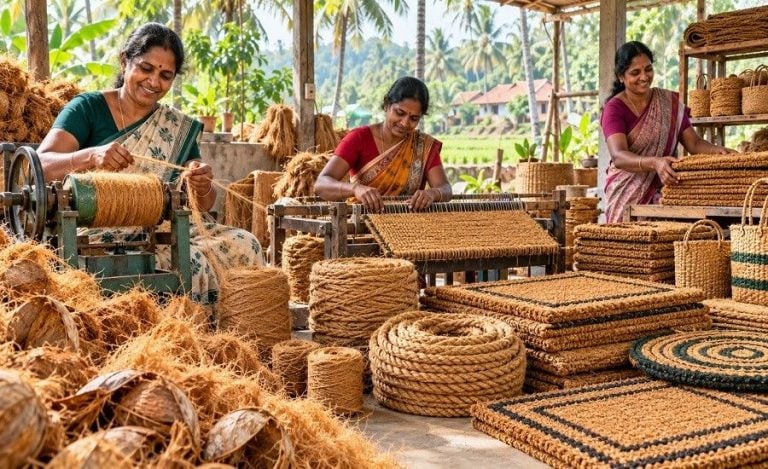
According to the policy vision, increased domestic travel within Bihar is expected to boost the local economy. More tourist visits could lead to higher spending in rural and urban tourism hubs, benefiting small businesses, local artisans, and hospitality services.
The initiative also aims to enhance employment opportunities in tourism sectors and strengthen infrastructure development based on administrative feedback.
Restrictions on Foreign Travel and Cost-Control Measures
Alongside the tourism promotion plan, the government has reportedly imposed restrictions on foreign travel funded by the state exchequer. Ministers and officials may be temporarily barred from undertaking international trips for a specified period.
This decision is being viewed as part of a broader cost-control and administrative reform strategy, which also includes reducing official vehicle usage and encouraging virtual meetings.
Administrative Reforms: Reduced Convoy and “No Vehicle Day”
The state leadership has also emphasized administrative simplification measures. These include reducing official vehicle convoys, promoting “No Vehicle Day,” and encouraging increased use of video conferencing for official meetings. These steps are aimed at improving efficiency, reducing expenses, and minimizing unnecessary administrative overhead.
Expected Impact on Bihar Tourism Sector
The policy is expected to have multiple long-term effects, including:
- Increased domestic tourism within Bihar
- Greater visibility of lesser-known tourist destinations
- Growth of eco-tourism and homestay culture
- Improved tourism infrastructure through on-ground feedback
- Economic boost for local businesses and communities
By encouraging government employees to travel within the state, the initiative aims to transform Bihar into a stronger domestic tourism hub while ensuring that tourism revenue circulates within the local economy.