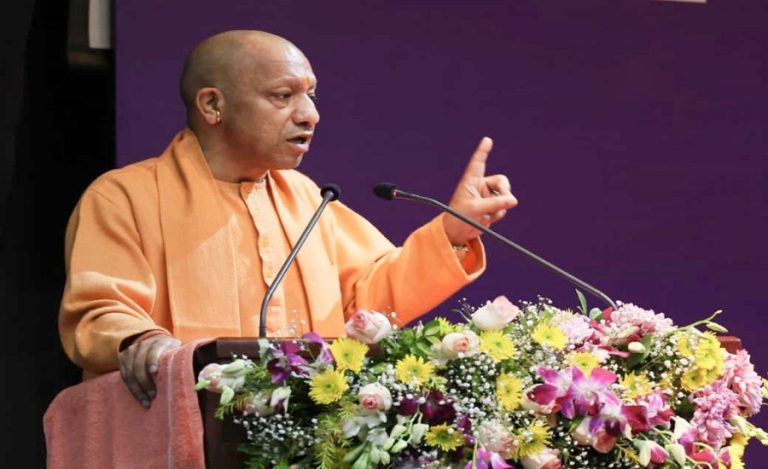
New Delhi: Project Kusha has emerged as one of India’s most ambitious indigenous defence programmes. Defence Minister Rajnath Singh has described the long-range air defence system as a “game-changer” for India’s security architecture while inaugurating the Advanced Weapon System Complex at DRDO’s Defence Research and Development Laboratory (DRDL) in Hyderabad.
The project is expected to significantly strengthen India’s ability to counter modern aerial threats, including stealth aircraft, drones, cruise missiles, and hypersonic weapons.
Rajnath Singh Highlights Strategic Importance of Project Kusha
Speaking at the inauguration of the Advanced Weapon System Complex in Hyderabad, Rajnath Singh praised India’s growing indigenous defence capabilities and emphasized that Project Kusha will play a major role in securing the nation’s airspace.
Read also: What is Sudarshan Chakra Air Defence Programme And How It Helps to Build Massive Shield
He stated that the system represents a major leap toward defence self-reliance under the government’s Atmanirbhar Bharat initiative.
Key Highlights from the Defence Minister’s Address
- Project Kusha will strengthen India’s multi-layered air defence network.
- The system is being developed entirely within India.
- It is designed to tackle future warfare challenges.
- The project supports India’s goal of reducing dependence on imported defence systems.
- It is expected to become a cornerstone of India’s strategic defence infrastructure.
What is Project Kusha?
Project Kusha, also known as the Extended Range Air Defence System (ERADS), is an indigenous long-range Surface-to-Air Missile (SAM) programme being developed by DRDO.
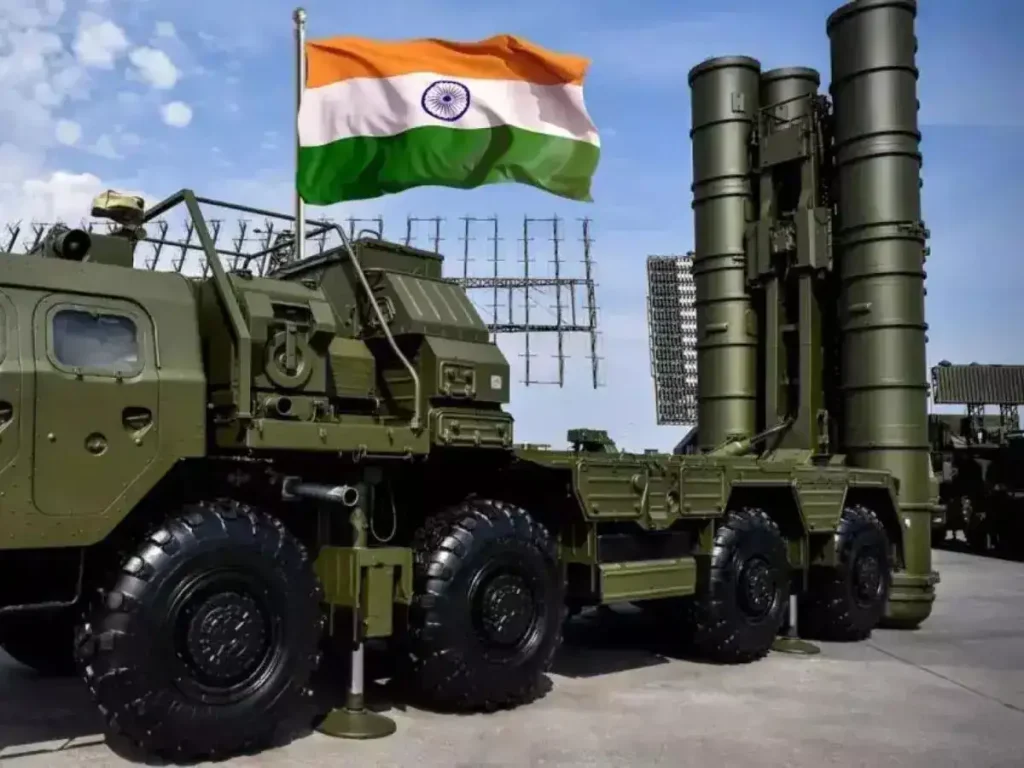
The system is often compared with Russia’s S-400 air defence system because of its long-range interception capabilities and advanced threat engagement features. Project Kusha is intended to provide a powerful protective shield against a wide range of aerial threats.
Major Features of Project Kusha
- Long-range interception capability.
- Multiple interceptor variants.
- Ability to engage several targets simultaneously.
- Protection against:
- Fighter aircraft
- Stealth aircraft
- Drones
- Cruise missiles
- Hypersonic weapons
- Advanced radar and tracking systems.
- Mobile deployment capability.
Three-Layer Interceptor Architecture
Project Kusha is being developed with three interceptor missile variants:
| Variant | Estimated Range |
| M1 | 120–150 km |
| M2 | Around 250 km |
| M3 | 350–400 km |
This layered approach allows India to engage threats at different distances and altitudes, creating a comprehensive air defence umbrella.
Why Project Kusha Matters
Modern warfare increasingly relies on long-range missiles, stealth aircraft, drones, and precision-guided weapons. Air defence systems are now considered one of the most critical components of national security.
Strategic Benefits
- Improves protection of military bases.
- Secures major cities and strategic assets.
- Strengthens deterrence against adversaries.
- Reduces reliance on foreign defence imports.
- Enhances India’s technological self-reliance.
- Supports future integrated air defence networks.
Connection with Operation Sindoor
Rajnath Singh noted that indigenous air defence capabilities demonstrated their importance during Operation Sindoor, India’s tri-services military operation launched after the Pahalgam terror attack. According to the Defence Minister, India’s air defence network provided critical protection and reinforced confidence in indigenous defence technologies.
Project Kusha vs S-400: How They Compare
While Project Kusha is still under development, defence experts view it as India’s long-term indigenous alternative to imported long-range air defence systems.
Comparison Snapshot
| Feature | Project Kusha | S-400 |
| Origin | India | Russia |
| Developer | DRDO | Almaz-Antey |
| Maximum Range | Up to 400 km | Up to 400 km |
| Indigenous Control | Full | Limited |
| Future Upgrades | Domestic | Foreign-dependent |
| Planned Deployment | 2028–2030 | Already operational in India |
Project Kusha’s biggest advantage is strategic autonomy, allowing India complete control over upgrades, maintenance, and future enhancements.
Advanced Weapon System Complex Boosts Indigenous Defence Ecosystem
The newly inaugurated Advanced Weapon System Complex at DRDL is expected to accelerate research, testing, and development of next-generation missile and weapon technologies.
The facility will support:
- Advanced missile development.
- Weapon system integration.
- Indigenous defence innovation.
- Future strategic defence programmes.
This investment reflects India’s broader push to become a global defence technology leader.
Analysis: Why Project Kusha Could Transform India’s Defence Landscape
Project Kusha is more than just another missile programme.
Its importance lies in three areas:
1. Strategic Independence
India can reduce dependence on foreign suppliers for critical air defence requirements.
2. Technological Advancement
The project will boost indigenous expertise in missile guidance, radar systems, sensors, and command-and-control networks.
3. Future Warfare Readiness
The system is being designed to counter emerging threats such as stealth aircraft, drone swarms, and hypersonic weapons.
Outlook
With operational deployment expected between 2028 and 2030, Project Kusha is set to become one of India’s most important defence assets. As DRDO continues development and testing, the programme represents a major step toward creating a robust, indigenous air defence shield capable of protecting India against next-generation aerial threats.