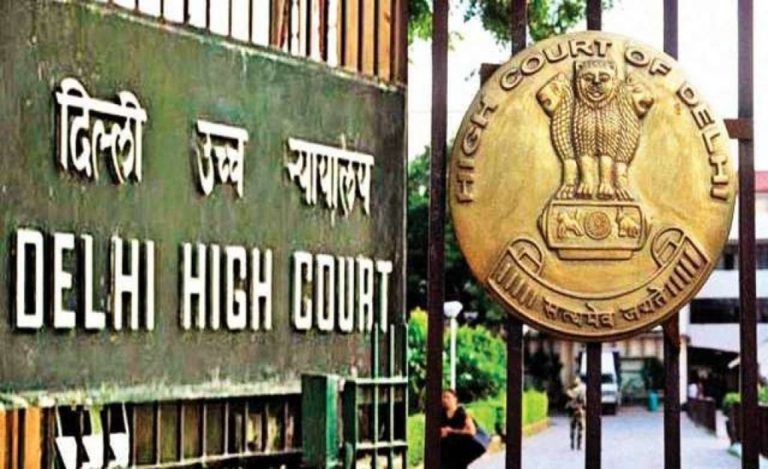
New Delhi: Delhi High Court has directed the initiation of criminal complaint proceedings against six Central Bureau of Investigation (CBI) officers over an allegedly false statement submitted to a trial court in 2016.
The case concerns a statement about communication between the CBI and the government regarding further legal action against former IRS officer Ashok Kumar Aggarwal. The officers have not been convicted, and their individual roles must be examined by the competent court.
Details of Delhi High Court Ruling
The Delhi High Court found a reasonable basis to examine whether a reply submitted by the CBI in 2016 contained a materially false statement about communication with the government.
Read also: The Constitutional Principle Delhi High Court Says India Cannot Ignore
The reply was filed on August 2, 2016, in a dispute over the return of documents seized during an investigation. It stated that communication with the administrative Ministry about further legal action was underway. However, the High Court examined earlier drafts and official file notes. These records indicated that the government department had already rejected a proposal to challenge an earlier court decision, while the CBI was considering whether to seek reconsideration or another legal opinion.
Justice Madhu Jain held that an internal proposal awaiting approval could not be presented as communication was already underway with the Ministry. The Court considered this difference important because the statement was used to oppose the release of seized documents.
IRS officer Ashok Kumar Aggarwal Case: What Has The Delhi High Court Directed
The High Court set aside an order dated October 25, 2025, in which the Special Judge at the Rouse Avenue Courts had declined to initiate proceedings under Section 340 of the Code of Criminal Procedure.
The Special Judge, CBI-02, has now been directed to prepare a written complaint against the six officers and send it to the jurisdictional Magistrate within four weeks of receiving the judgment.
The complaint concerns alleged offences relating to false evidence and false claims in court. The Magistrate will consider the complaint and determine the next steps under the applicable law.
The High Court has not declared the six officers guilty. The question of criminal responsibility will depend on evidence concerning each officer’s knowledge, intention and participation.
Who Are The Six CBI Officers Named In The Case
The six officers named in the High Court’s order are:
- Sushil Dewan: Prepared successive drafts of the reply and filed the final version.
- Vineet Vinayak: Was prima facie connected with the handwritten change and the approval of the final reply.
- Prem Kumar Gautam: Worked on the drafts and recorded information about the government’s decision.
- Amit Kumar: Made file notes referring to the government’s communication and the proposal to seek reconsideration.
- Md. Azad: Examined and vetted different versions of the reply.
- Raman Tyagi: Processed the final reply and forwarded it for further action.
The Court examined the records relating to the work performed by each officer. Their levels of involvement differed, and their individual responsibility remains to be determined through the legal process.
Details of IRS officer Ashok Kumar Aggarwal Case
The dispute arose from a disproportionate-assets case involving former IRS officer Ashok Kumar Aggarwal.
On January 13, 2016, the Delhi High Court held that the sanction for his prosecution was invalid. The trial court subsequently discharged him on March 10, 2016.
The CBI considered challenging the High Court’s decision before the Supreme Court through a Special Leave Petition (SLP). However, the Ministry of Law and Justice expressed the view that there appeared to be no reasonable ground to pursue the matter before a higher court. The Department of Personnel and Training (DoPT) communicated that opinion to the CBI on July 1, 2016.
Aggarwal later sought the return of documents seized during the investigation. The CBI opposed the release of some documents in its August 2, 2016, reply, stating that further communication with the government was underway.
The later examination of the reply’s drafts and file notes led to the present dispute over whether that statement accurately reflected the position at the time.
What Did The Court Find In The Earlier Drafts
The High Court examined different versions of the reply, including handwritten changes and internal file notes.
An earlier draft recorded that the DoPT had rejected the proposal to file an SLP. A recommendation dated July 19, 2016, also referred to that decision and suggested seeking reconsideration or another legal opinion. That statement was later removed and replaced with wording suggesting that communication with the Ministry was underway.
The Court found that the available records showed an internal CBI process to reconsider the matter, rather than ongoing communication with the Ministry as claimed in the reply.
Justice Jain considered the change significant because it altered the factual position presented to the trial court. The Court also noted that the statement could have influenced the decision about returning the seized documents.
Which Laws Are Involved In The Case
The High Court directed that the complaint cover alleged offences under Sections 191 and 193, read together where applicable, and Section 209 of the Indian Penal Code (IPC).
These provisions concern false evidence, punishment for giving or fabricating false evidence, and dishonestly or fraudulently making a false claim in court.
The proceedings will examine whether the legal requirements for these offences are met. A direction to file a complaint is not the same as a conviction, and the allegations must be established through the legal process.
What Happens Next?
The Special Judge must prepare and forward the written complaint within four weeks of receiving the High Court’s judgment.
The complaint is to be placed before the Chief Judicial Magistrate (Central) at Tis Hazari Courts in Delhi. The Magistrate has also been asked to revive an earlier complaint against Sushil Dewan that had been adjourned indefinitely and to prevent parallel proceedings on the same allegations.
The competent court will consider the evidence and determine the next legal steps. Any finding of guilt will depend on proof of each officer’s knowledge, intention and participation.
Read also: Can Police Or Agencies Search A Lawyer’s Office? Delhi High Court Answers
FAQs
The officers are Sushil Dewan, Vineet Vinayak, Amit Kumar, Raman Tyagi, Prem Kumar Gautam and Md. Azad. Their individual knowledge, intention and participation must be determined through the legal process.
The Delhi High Court found a reasonable basis to examine whether a CBI reply filed in 2016 contained a materially false statement about communication with the government. It directed a written criminal complaint to be filed for consideration by the competent Magistrate.
No. The High Court ordered criminal complaint proceedings after finding a prima facie basis for further examination. The competent court will consider the evidence, and the officers have not been convicted by this order.