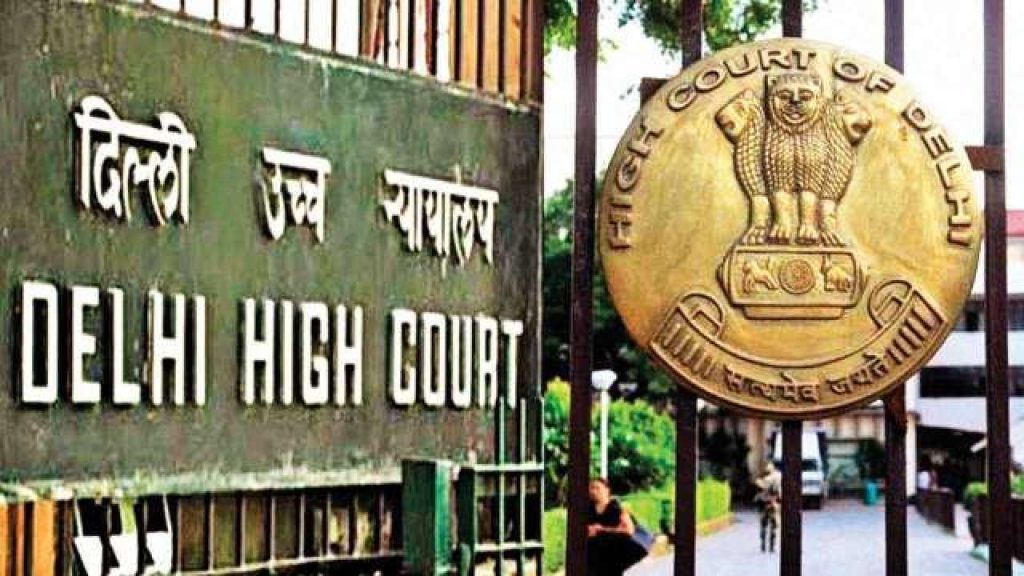
New Delhi: In a significant development for the legal fraternity in India, the Delhi High Court has directed the Government of the National Capital Territory of Delhi (GNCTD) to formally consider objections raised by lawyers practising in district courts against the draft Advocates Protection Bill, 2024.
The move comes amid long-standing concerns over the safety and security of legal professionals, heightened activism within bar associations, and procedural objections to the draft bill that many practitioners argue falls short of adequately addressing real challenges faced by advocates on the ground.
The matter was heard by Justice Sachin Datta, who took on record objections filed by the Coordination Committee of All District Courts Bar Associations of Delhi, an umbrella body representing district court bar associations across the national capital.
The court has now asked the GNCTD to consider these objections while framing an appropriate law and listed the case for further hearing on January 8, 2026.
Background of Draft Advocates Protection Bill
The Draft Advocates Protection Bill, 2024 was prepared in response to growing concerns about the safety and well-being of advocates, particularly those practising in courts within the capital city. Legal professionals in Delhi have, in recent years, cited a spate of violent incidents, including assaults on advocates and even the murder of a lawyer in April 2023, as evidence that existing legal safeguards are inadequate.
Read also: ORS Trademark Ban: Delhi HC Says “No License to Deceive Consumers” – Dr Reddy’s Challenges FSSAI
In May 2023, the Bar Council of Delhi and the Coordination Committee jointly submitted an initial draft Advocates Protection Bill to the Delhi Law Minister and Chief Minister with the goal of creating a statutory framework that would protect lawyers from threats, violence, and harassment. Over time, the draft evolved into the 2024 version now under government consideration.
Major Objectives of Draft Advocates Protection Bill
- Provide legal protection to advocates against violence and intimidation.
- Establish mechanisms to ensure a safe working environment within court premises.
- Define actionable penalties and preventive measures for offences against lawyers.
However, despite its noble goals, advocates from the grassroots — especially those practising in district courts — have raised pointed objections about the draft’s scope and definitions, arguing that key provisions are overly narrow or ineffective.
District Court Lawyers’ Concerns and Objections
The principal objectors in the current proceedings are lawyers from various district courts in Delhi, represented by the Coordination Committee of All District Courts Bar Associations. Some of the key objections highlighted in their representation include:
1. Restrictive Definitions of Violence and Coverage
District court lawyers argue that the draft bill’s definitions of “act of violence” and of an “advocate engaged by a client” are too restrictive and narrow, potentially excluding many forms of psychological intimidation, harassment, and non-fatal aggression that advocates often encounter.
They fear that this could limit the practical utility of the law and fail to protect lawyers in real-world situations.
2. Scope of Protection Is Limited
The objections also focus on perceived limitations in how protection mechanisms are structured.
According to the petitioners, the draft bill may not fully take into account the varied risk environments faced by lawyers who handle sensitive cases, such as criminal trials involving powerful defendants or high-stakes civil litigation.
3. Consultation and Representation Issues
Lawyers have further contended that district court practitioners — who form a substantial segment of the legal profession — were not sufficiently consulted during the drafting process. They believe that broader stakeholder engagement could lead to a more holistic bill that better reflects the concerns of lawyers beyond the High Court and Supreme Court circles.
High Court’s Directive and Judicial Reasoning
During Monday’s hearing, Justice Sachin Datta took the objections filed by the Coordination Committee on record.
The High Court directed that the government should consider these objections as part of the consultative process leading up to the enactment of the Advocates Protection Bill.
The court’s directive emphasizes that:
- The government must not overlook substantial concerns raised by practising lawyers.
- The objections should be formally taken into account while finalizing the legislation.
- A continued dialogue with the bar associations and practitioners is essential before the final version of the bill is approved by the Council of Ministers.
Justice Datta then listed the matter for the next hearing on January 8, 2026, signaling continued judicial oversight in ensuring that the proposed law is responsive to field realities and concerns of legal professionals.
Previous Government Responses and Legal Activism on Draft Advocates Protection Bill
The High Court’s latest directive is not an isolated event but part of a long sequence of judicial involvement concerning lawyer safety and legislative action:
- In May 2025, the Delhi High Court had already directed the GNCTD to take expeditious steps for enacting the Advocates Protection Bill, citing the urgent need to protect legal professionals following incidents of violence, both inside courtrooms and in public spaces.
- Prior hearings also involved status reports and updates from the government on the progress of the draft bill and its consideration by the Council of Ministers.
- This ongoing judicial attention underscores both the severity of safety concerns for advocates and the complexities of balancing legislative action with meaningful consultation. It also reflects deeper anxieties within the legal profession about ensuring that statutory protections do not remain merely on paper but translate into tangible safety measures.
Read also: Delhi High Court Warns Government Over Delay in Filling Delhi PwD Reserved Posts, Threatens Contempt