New Delhi: India has taken another big step towards Aatmanirbhar Bharat with the DRDO AEW&C MK-II Programme. The Defence Research and Development Organisation (DRDO) has signed two major contracts with Indian companies to build the country’s next-generation airborne early warning aircraft. The project will improve India’s air defence, boost indigenous defence manufacturing, and reduce dependence on foreign technology.
DRDO Signs Two Important Contracts for AEW&C MK-II Programme
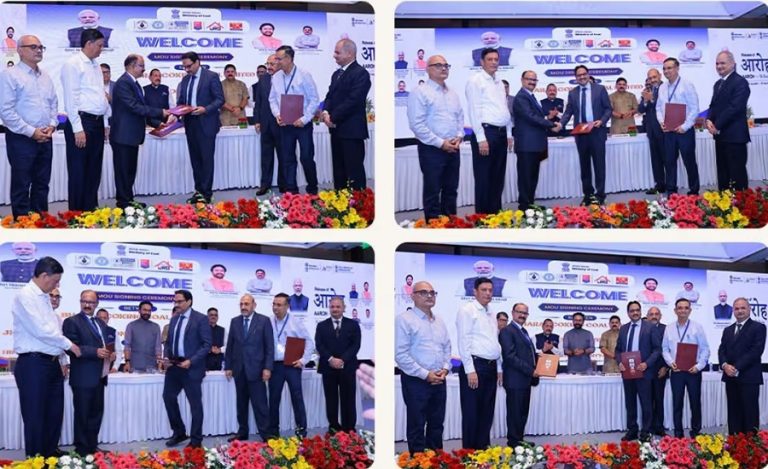
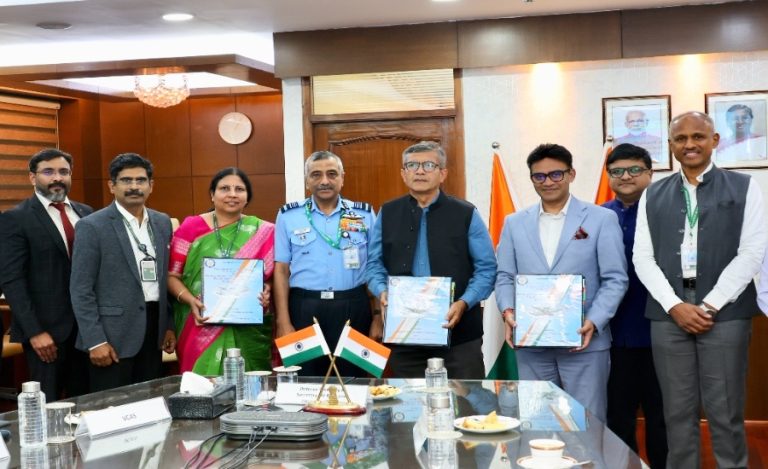
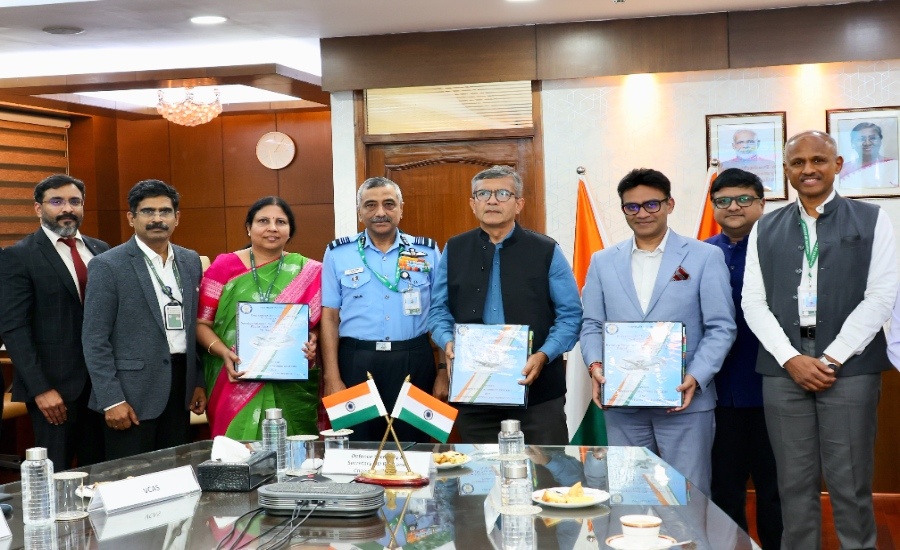
The Centre for Air Borne Systems (CABS), a DRDO laboratory, signed the agreements as part of the AEW&C MK-II Programme. The first contract is with AI Engineering Services Limited (AIESL), New Delhi. Under this agreement, AIESL will convert six Airbus A321 commercial aircraft into “green configuration.” These aircraft will later be fitted with advanced military systems.
Read also: DRDO Hybrid AIP System: Key Features, Benefits and Project-76 Submarine Impact Explained
The second contract is with Adani Defence Systems and Technologies Limited (ADSTL), Ahmedabad. ADSTL has been selected as the Development-cum-Production Partner (DcPP). The company will develop and manufacture mission systems required for the AEW&C MK-II aircraft.
According to the Ministry of Defence, these contracts are a major milestone for India’s indigenous airborne surveillance programme.
What is the DRDO AEW&C MK-II Programme
The Airborne Early Warning and Control (AEW&C) MK-II Programme is one of India’s most important defence projects. The aircraft will carry advanced radar, electronic warfare systems, communication equipment, and mission computers. These systems help the Indian Air Force detect enemy aircraft, drones, missiles, and other aerial threats from long distances. The aircraft can also track multiple targets at the same time and provide real-time information to defence forces.
Why are 6 Airbus A321 Aircraft Being Converted
The six Airbus A321 aircraft were earlier used for commercial flights. Under this project, they will first be converted into “green configuration.” This means the aircraft will be structurally modified before advanced defence equipment is installed.
After the conversion, DRDO will integrate indigenous radar, sensors, communication systems, and electronic warfare equipment. This will transform the aircraft into powerful airborne surveillance platforms.
How Will India Benefit From DRDO AEW&C MK-II Programme
The AEW&C MK-II Programme will significantly improve India’s ability to monitor its airspace. The aircraft will provide early warning against enemy aircraft and missiles. They will also help the Indian Air Force coordinate military operations more effectively during emergencies and combat situations.
The programme supports the government’s Aatmanirbhar Bharat mission by increasing the use of Indian technology and private industry in defence manufacturing.
Read also: How Adani Defence and DRDO Are Building India’s Next Generation Warfare Systems