12 November 2026
ADVERTISEMENT
ADVERTISEMENT

India Plans PSLV Technology Transfer to Private Companies, Accelerating Space Industry Expansion

India plans to share PSLV rocket technology with qualified private firms through IN-SPACe, a major step aimed at speeding up local space industry growth, boosting launch capability, and expanding India’s share in the global space economy.
Anti cancer drug
Indian Masterminds Stories

New Delhi: India is moving ahead with PSLV rocket technology transfer to private companies in a major step for its fast-growing space sector. The government, through IN-SPACe, has invited Indian firms to take technology linked to the Polar Satellite Launch Vehicle (PSLV), one of ISRO’s most trusted rockets. The move is aimed at helping local companies build launch capabilities faster, increase rocket production in India, and support the country’s plan to become a bigger player in the global small satellite launch market.

What is the Importance of PSLV

The PSLV is one of India’s most successful rockets. It has been used for many important missions, including launching Indian satellites and sending missions to the Moon and Mars. 

Read also: India Enters Quantum Space Race: DoS Plans First Quantum Communication Satellite to Build Unhackable Networks by 2030

It is especially known for reliably launching satellites into polar and sun-synchronous orbits, which are widely used for Earth observation and remote sensing.

ISRO has described PSLV as a key part of India’s launch capability, while government releases continue to highlight its role in building India’s self-reliance in space transportation.

Details of PSLV Rocket Technology Transfer

India plans to share technology related to the Polar Satellite Launch Vehicle (PSLV) with private sector companies. According to official information available through IN-SPACe and ISRO, the government has opened an Expression of Interest (EoI) for the transfer of PSLV technology to Indian industry. 

The goal is to help qualified Indian firms manufacture, integrate and scale launch vehicle capabilities with support from the existing space ecosystem.

This is part of India’s larger effort to open the space sector to private players and build a stronger commercial launch ecosystem. Official government documents also show that India wants to expand its space economy sharply over the next decade.

The government is not “giving away” space technology to everyone. Instead, Indian companies will have to qualify under the technology transfer process. Reports indicate that only Indian-owned and Indian-controlled companies will be considered eligible. The transfer is being handled through the space-sector reform framework that now allows more private participation in launch services and manufacturing.

The broad aim is to help companies:

  • Build rocket manufacturing capability in India
  • Learn proven launch vehicle systems
  • Reduce the time needed to enter the launch market
  • Support India’s rising demand for satellite launches
  • Compete for global small satellite launch business

What is the Need of PSLV Rocket Technology Transfer

India’s private space sector has grown quickly since the government opened the sector to non-government players. In recent years:

  • IN-SPACe was created to support and authorize private space activity
  • NSIL was set up to commercialize ISRO technologies and services
  • More space startups and private firms have entered the market
  • India has been pushing for a larger share of the global space economy

A recent government background note said India’s space economy is currently estimated at about $8 billion and is projected to grow to $40–45 billion over the next decade, with a target to increase India’s global share to around 8% by 2030.

Read also: ISRO 2026 Missions: Everything You Need to Know About Gaganyaan, Oceansat-3A and Quantum Tech Demo

Indian Masterminds Stories
Join our WhatsApp Channel
ADVERTISEMENT
ADVERTISEMENT
Related Stories
ADVERTISEMENT
ADVERTISEMENT
NEWS
AGMUT resized
MHA Transfers IAS Officer Owais Ahmed to Ladakh, Keeps Rakesh Minhas' Transfer on Hold
GAIL KRIBHCO Fertiliser Plant
GAIL and KRIBHCO Sign MoU to Explore 1.27 MMTPA Gas-Based Fertiliser Plant in Andhra Pradesh
pump deep boring ban
Jharkhand to Revive 9,519 Dry Borewells Under VB-G RAM-G Scheme, Boost Rural Employment
cmpdil
CMPDIL Partners with Tata Steel Foundation to Upgrade Technical Education at ITI Tamar 
Punjab Rural Sports Grounds
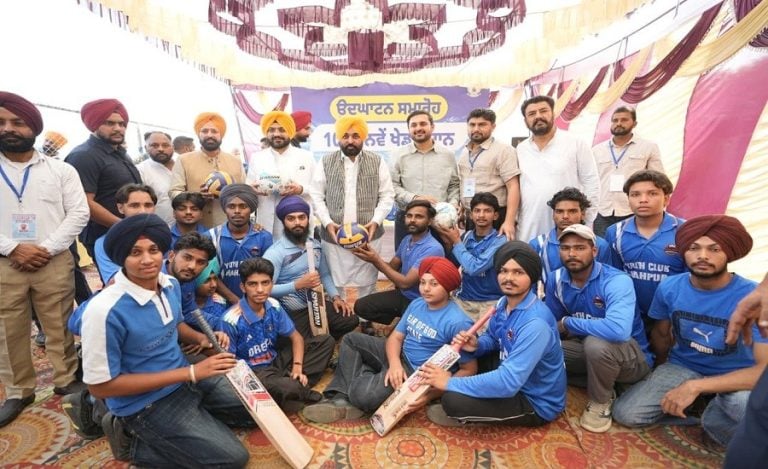
Punjab CM Bhagwant Mann Inaugurates 1,000 New Rural Sports Grounds to Promote Sports and Curb Drug Abuse
OIL INDIA
Oil India Q2 FY27 Results: Standalone Net Profit Jumps 116% to ₹2,259 Crore, Crude Oil Production Rises 20% 
Chhattisgarh Sets New Record in Paddy Procurement
Chhattisgarh to Begin Paddy Procurement Drive on November 15, Over 27.50 Lakh Farmers to Benefit
Jaunpur Mahotsav
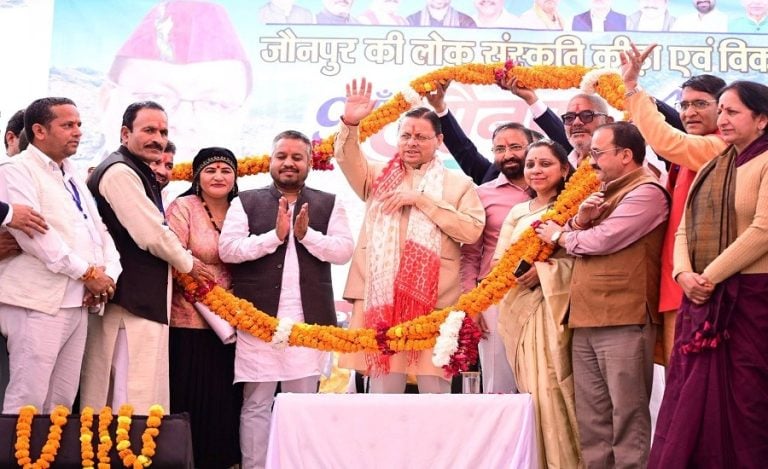
Uttarakhand CM Dhami Inaugurates 9th Jaunpur Mahotsav, Launches 26 Projects Worth Rs 52.55 Crore
ADVERTISEMENT
ADVERTISEMENT
Videos
Five years after Kargil, India sent its cricketing heroes to Pakistan where terrorism posed a deadly threat. The man guarding them, former Special Director of Intelligence Bureau, Mr. Yashovardhan Azad, reveals what all went behind the scenes during that crucial tour. 
Trust No One, Said His Instinct in Pakistan
Gajendra Singh Shekhawat
How India Plans to Boost Tourism, Create Jobs and Ease Overcrowding : Gajendra Singh Shekhawat on the Road to 2047
Dr Saket Badola IFS
Beyond Tigers and Safaris: How Corbett Literature Festival Wants to Change the Conservation Conversation
ADVERTISEMENT
UPSC Stories
Aniket Sagar ICoAS
No Coaching, Full-Time Job and Two Attempts: How Aniket Sagar Cleared ICoAS
Aniket Sagar, a chartered accountant from Bundelkhand, cleared UPSC ICoAS 2025 after working at PwC,...
IDAS Himanshu Tembhekar
Should UPSC Aspirants Give Up Their Hobbies? IDAS Officer Himanshu Tembhekar Explains
Should UPSC aspirants give up their hobbies? IDAS officer Himanshu Tembhekar explains how hobbies help...
UPSC Story
He Taught Students to Meet Expenses. Today, Sachin Bhadouria is a Scientist ‘B’ at CWPRS
Sachin Bhadouria overcame financial challenges and a Hindi-medium background to secure AIR 2 in a UPSC...
CSR NEWS
cmpdil
CMPDIL Partners with Tata Steel Foundation to Upgrade Technical Education at ITI Tamar 
The project will modernise training infrastructure with robotic welding technology, digital learning...
NCL CSR Blood Bank Project
NCL Signs ₹1.16 Crore CSR MoU to Establish Blood Bank at District Hospital in Singrauli
The project will fund essential medical equipment, furniture and renovation of the existing building...
REC Foundation Solar Street Light
REC Foundation to Install 350 Solar Street Lights Across Six Districts of West Bengal to Improve Rural Safety 
The CSR initiative, undertaken in partnership with Y4D Foundation, aims to improve night-time safety...
ADVERTISEMENT
ADVERTISEMENT
ADVERTISEMENT
Latest
AGMUT resized
MHA Transfers IAS Officer Owais Ahmed to Ladakh, Keeps Rakesh Minhas' Transfer on Hold
IPS Rajesh Kumar
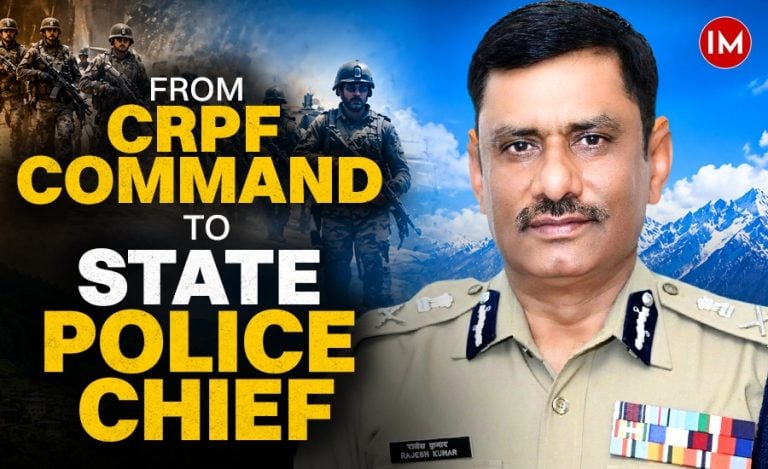
He Led Security Operations in Kashmir. Now He Heads Arunachal Police! Meet IPS Rajesh Kumar
ADVERTISEMENT
ADVERTISEMENT
ADVERTISEMENT
ADVERTISEMENT
ADVERTISEMENT
ADVERTISEMENT
ADVERTISEMENT
Videos
Five years after Kargil, India sent its cricketing heroes to Pakistan where terrorism posed a deadly threat. The man guarding them, former Special Director of Intelligence Bureau, Mr. Yashovardhan Azad, reveals what all went behind the scenes during that crucial tour. 
Gajendra Singh Shekhawat
Dr Saket Badola IFS
ADVERTISEMENT
ADVERTISEMENT