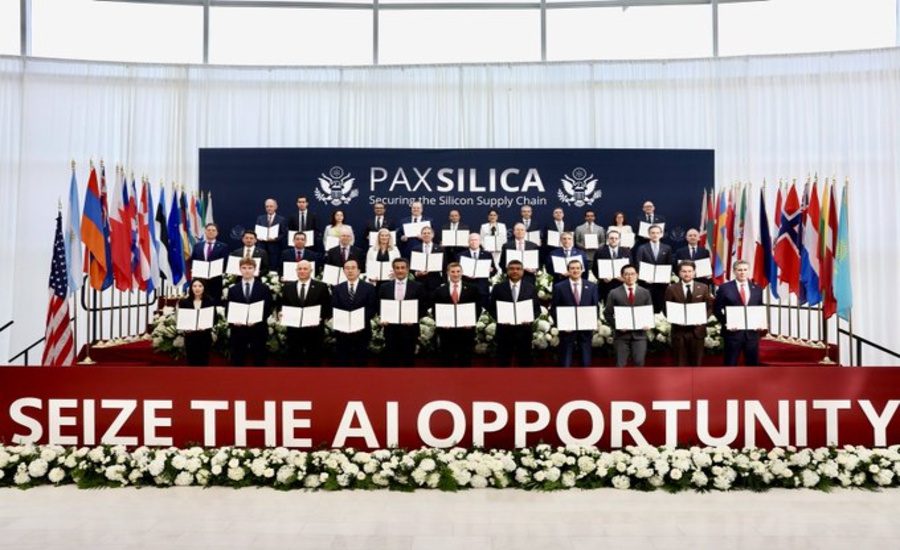
New Delhi: Pax Silica Summit has gained global attention after 35 countries, including India, signed a joint statement to build trusted and resilient supply chains for artificial intelligence (AI). The agreement was announced at the second Pax Silica Summit held in Washington, D.C., and aims to strengthen international cooperation in AI, semiconductors, critical minerals, and advanced technology infrastructure.
What Happened at the Pax Silica Summit
At the second Pax Silica Summit, 35 nations signed the Joint Statement on AI Opportunity. The declaration supports a pro-growth and pro-innovation approach to AI while promoting trusted supply chains for technologies that power artificial intelligence, including chips, computing infrastructure, energy, and advanced manufacturing.
Read also: From AI to Semiconductors: Inside the India–US Pax Silica Strategy Shaping the Future of Technology
Why Is Pax Silica Summit Important
Artificial intelligence depends on reliable access to semiconductors, critical minerals, data centres, and computing power. The Pax Silica initiative aims to reduce supply chain risks, encourage investment, and strengthen cooperation among trusted partner countries. It also seeks to improve long-term technology security and innovation.
India’s Role in This Initiative
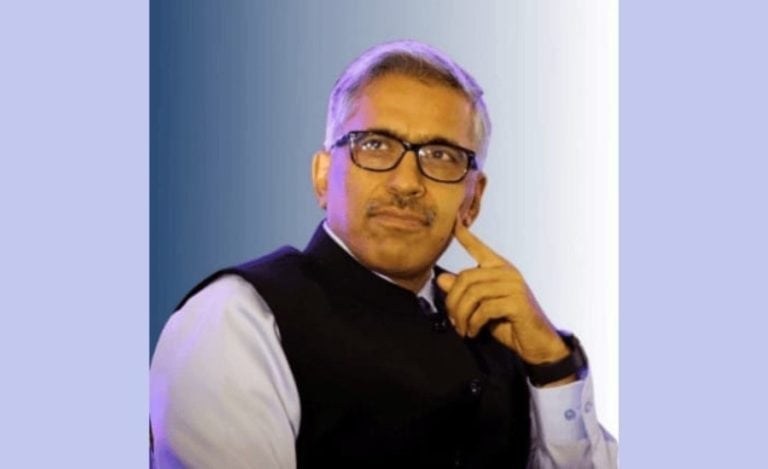
India officially joined the Pax Silica initiative in February 2026 during the India AI Impact Summit in New Delhi. At the Washington summit, India was represented by S. Krishnan, Secretary of the Ministry of Electronics and Information Technology (MeitY), along with officials from the Ministry of External Affairs and industry representatives.
What are the Benefits
Joining the initiative could help India:
- Strengthen semiconductor and AI manufacturing.
- Improve access to trusted global technology supply chains.
- Attract investment in AI infrastructure and chip production.
- Increase collaboration with leading technology nations.
- Support India’s goal of becoming a global AI and semiconductor hub.
New Initiatives Announced
The summit also introduced new projects, including:
- Pax Pass, a platform to support the movement of critical AI-related goods.
- A Stanford-led Foundry School to train skilled workers in advanced manufacturing.
- New efforts to expand private-sector investment in AI infrastructure.