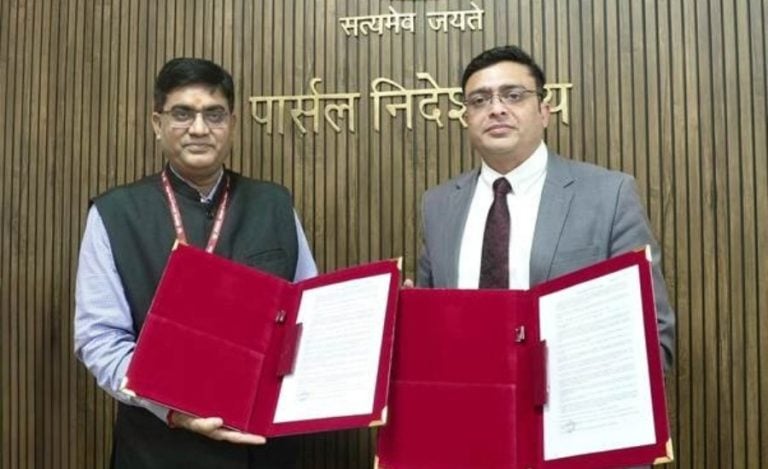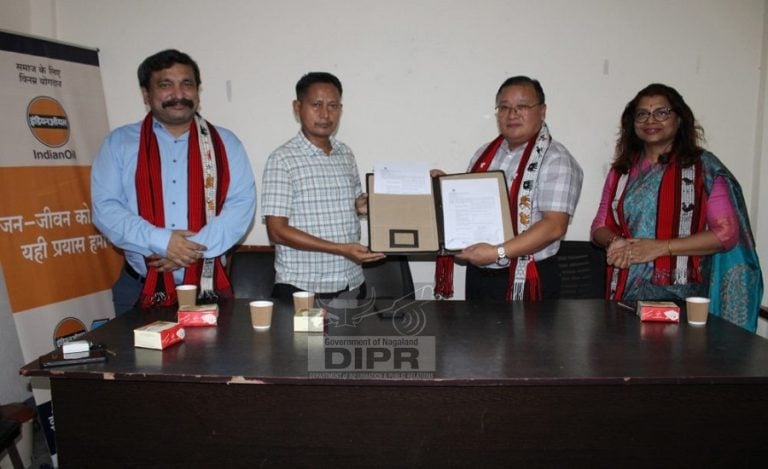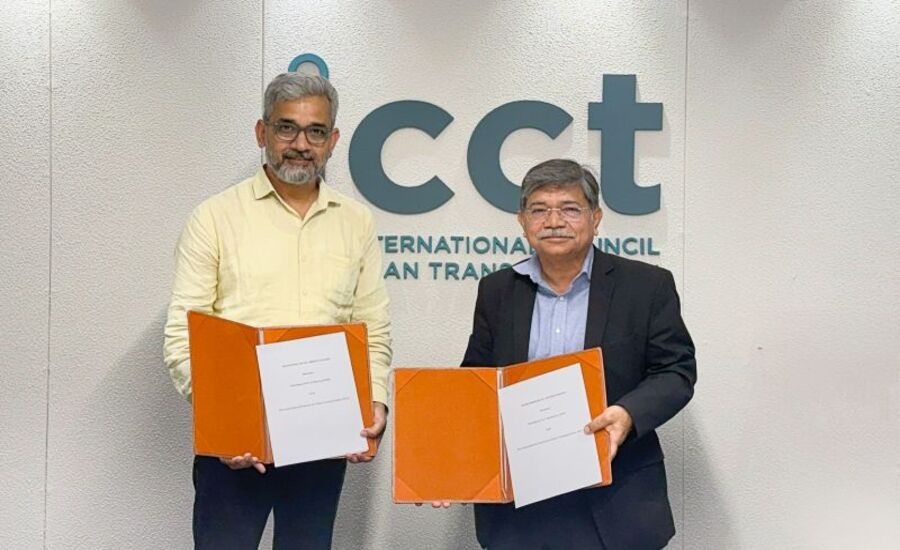
Kandla (Gujarat): In a significant step towards decarbonising India’s maritime sector, the International Council on Clean Transportation (ICCT) India and the Deendayal Port Authority (DPA), Kandla Gujarat, have signed a Memorandum of Understanding (MoU) to jointly develop strategies aimed at reducing greenhouse gas emissions and air pollution from port and shipping operations.
The collaboration focuses on transforming operations at Kandla port into a cleaner, more sustainable ecosystem by combining ICCT’s global technical expertise with DPA’s on-ground operational experience.
Focus on Decarbonisation and Clean Technologies
Under the MoU, both organisations will work towards identifying high-impact measures to reduce emissions across multiple segments of port operations. These include:
- Shipping and marine fuel usage
- Port-linked trucking and logistics
- In-port equipment and cargo handling systems
Read Also: Gujarat Chikoo Industry to Get Major Push at VGRC Surat, Focus on Investment & Value Chain Growth
The initiative will also explore the adoption of low- and zero-emission fuels, including alternative clean energy solutions, while mapping out scalable decarbonisation pathways for the entire port ecosystem.
A key component of the collaboration will be baseline emission tracking and data-driven research to identify the most effective interventions for emission reduction.
Policy, Infrastructure and Regulatory Support
Beyond technological interventions, the partnership will assess critical enablers required to accelerate green transformation. These include:
- Infrastructure readiness for clean fuels
- Policy frameworks to support sustainable operations
- Regulatory mechanisms to encourage adoption of low-emission technologies
The joint effort aims to create a comprehensive roadmap that not only reduces emissions but also ensures long-term sustainability of port operations.
A Milestone for India’s Green Maritime Push
The ICCT India–DPA collaboration is being seen as a major milestone in advancing India’s green maritime ambitions. By addressing emissions at one of the country’s key ports, the initiative is expected to set a benchmark for other ports across India.
The partnership aligns with broader national and global commitments to tackle climate change and transition towards cleaner energy systems in high-emission sectors like shipping and logistics.
Kandla Port’s Expanding Green Ecosystem
This MoU builds upon several ongoing sustainability initiatives already underway at Deendayal Port, reflecting a comprehensive approach to environmental responsibility.
E-Methanol Project
The port has partnered with Assam Petro-chemicals Limited to establish an e-methanol manufacturing facility. This initiative aims to promote cleaner bunker fuels and reduce reliance on conventional fossil fuels in shipping.
Green Hydrogen Infrastructure
DPA has also set up a 1 MW Green Hydrogen Power Plant, marking a crucial step towards adopting hydrogen as a clean energy source for port operations and future maritime applications.
Community-Driven Clean Energy Model
In another forward-looking move, the port has collaborated with Green-Kutch NextGen to develop a clean energy ecosystem that actively involves local MSMEs. This initiative is expected to boost regional economic participation while advancing sustainability goals.
Towards Sustainable and Scalable Port Operations
By integrating research, technology, and policy support, the ICCT India–DPA partnership aims to create practical and scalable solutions for greener port operations. The initiative not only targets emission reduction but also seeks to improve air quality and promote environmentally responsible growth in one of India’s busiest maritime hubs.
As India continues to expand its port infrastructure and trade capabilities, such collaborations are expected to play a critical role in ensuring that growth is aligned with sustainability and climate commitments.
About Deendayal Port Authority
Deendayal Port Authority (DPA), formerly Kandla Port, is a premier major port in Gujarat, India, consistently ranked as the country’s top port by cargo volume. Located in the Gulf of Kutch, it specializes in handling crude oil, coal, salt, and edible oil. DPA is focusing on green energy initiatives, infrastructure expansion (e.g., Tuna-Tekra container terminal), and enhancing digital/logistics efficiencies.
About ICCT India
The International Council on Clean Transportation (ICCT) in India is an independent, non-profit research organization dedicated to improving the environmental performance and energy efficiency of road, marine, and air transportation. As part of the global ICCT organisation, the India team works closely with policymakers at national, state, and city levels, providing high-quality, independent research to support India’s transition to clean transport and meet its 2070 net-zero goals.