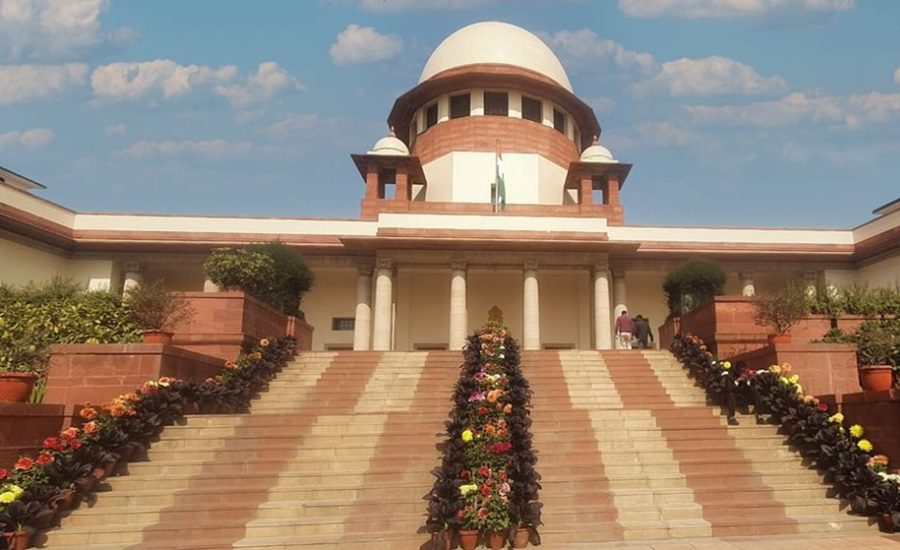
New Delhi: The Solid Waste Management Rules 2026 received a major push after the Supreme Court of India empowered District Collectors across the country to directly enforce the new waste management framework.
The supreme court said strict implementation is necessary to protect citizens’ right to a clean and healthy environment under Article 21 of the Constitution.
The Court also directed authorities to strengthen monitoring systems, improve waste segregation, and take action against violators.
The order is being seen as one of the strongest judicial interventions in India’s waste management system and aims to ensure better cleanliness, public health, and environmental protection before the rules fully come into force nationwide.
Court Directives on Solid Waste Management Rules 2026
A bench of Justice Pankaj Mithal and Justice SVN Bhatti directed the Ministry of Environment, Forest and Climate Change (MoEFCC) to delegate powers to District Collectors under the Environment (Protection) Act, 1986.
Under these powers, District Collectors can:
- Monitor implementation of Solid Waste Management Rules 2026.
- Issue binding directions to violators.
- Order stoppage of water and electricity supply for bulk waste generators violating the rules.
- Conduct inspections of dumping sites.
- Submit regular compliance reports to state authorities.
- Create special monitoring cells at district level.
The Court clarified that directions issued by District Collectors under delegated authority will be treated as directions of the Supreme Court itself.
Why Did The Court Intervene?
The Supreme Court observed that India still faces serious problems in waste segregation, processing, transportation, and scientific disposal of garbage despite having laws in place for years.
The Court noted:
- Many cities still have massive dumping sites.
- Waste segregation at source is poor.
- Local bodies are not fully complying with existing rules.
- Scientific waste treatment systems are insufficient in many areas.
The bench said India cannot wait for further delays and stronger administrative enforcement is now necessary.
Key Features Of Solid Waste Management Rules 2026
The new Solid Waste Management Rules 2026 will officially come into effect from April 1, 2026. The rules aim to modernize India’s waste handling system and improve accountability.
Four-Stream Waste Segregation
The rules make segregation mandatory into:
- Wet waste
- Dry waste
- Sanitary waste
- Special care waste
Responsibility Of Bulk Waste Generators
Large waste generators such as hotels, malls, institutions, and residential complexes must process waste scientifically and follow compliance norms.
Digital Monitoring
The rules introduce centralized digital reporting systems for real-time monitoring of waste management activities.
Strict Enforcement Mechanism
Authorities can impose penalties and take coercive action against repeated violations.
District Collectors To Create Special Cells
The Supreme Court instructed every District Collector to establish a dedicated “Special Cell” for monitoring implementation of the rules. These cells will include officials from State Pollution Control Boards and other departments.
Their responsibilities include:
- Field inspections
- Reporting violations
- Monitoring dumpsites
- Tracking compliance by municipalities
- Taking enforcement action when required.
Court Links Clean Environment To Fundamental Rights
The Supreme Court strongly reiterated that the right to a clean and healthy environment is part of the Right to Life guaranteed under Article 21 of the Constitution.
The Court said poor waste management harms:
- Public health
- Environment
- Urban infrastructure
- Tourism
- Economic growth.
The judges also warned that non-compliance would no longer be treated as a minor administrative issue.
Earlier Supreme Court Directions on Solid Waste Management Rules 2026
This latest order follows the Supreme Court’s earlier February 19, 2026 directions, where it issued nationwide guidelines for implementing the Solid Waste Management Rules 2026.
Earlier directions included:
- Infrastructure audits through District Collectors.
- Public awareness campaigns.
- Translation of rules into local languages.
- Compliance deadlines for local bodies.
- Better coordination between states and municipalities.
Why This Order Matters
Environmental experts believe this decision could significantly improve implementation at the ground level because District Collectors have direct administrative control within districts. Stronger local enforcement may help reduce illegal dumping, improve segregation, and increase accountability among urban local bodies and bulk waste generators.
The order also sends a strong message that environmental compliance is now a national governance priority.