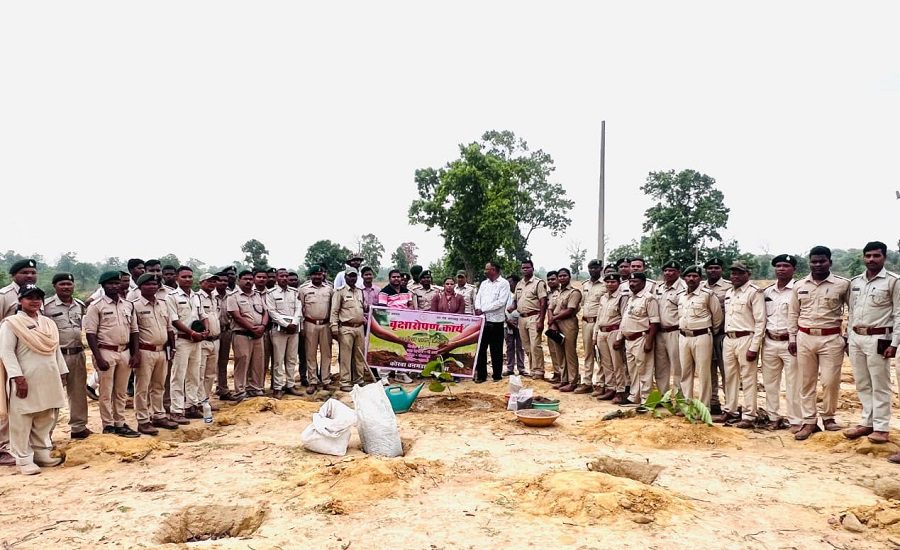
Korba: The Korba Forest Division has launched an advanced, technology-driven forest management initiative ahead of its ambitious Monsoon 2026 plantation campaign. The program focuses on scientific afforestation, ecosystem restoration, and digital monitoring to improve survival rates and strengthen long-term environmental sustainability.
The initiative is being implemented under the guidance of Hon’ble Forest Minister Mr. Kedar Kashyap and directives from Principal Chief Conservator of Forests (PCCF) Mr. Arun Kumar Pandey.
Target of 2.64 Lakh Saplings Across Five Forest Ranges
The division has set a target of planting 2,64,000 saplings during the upcoming monsoon season across five major forest ranges:
- Balco
- Korba
- Pasarkhet
- Kudmura
- Kartala
The plantation will be carried out under multiple frameworks, including Compensatory Afforestation (CA), Penal Compensatory Afforestation (PCA), and departmental forestry programs.
Officials have emphasized achieving a high survival rate through strict planning, monitoring, and scientific plantation methods.
Advanced Training for Frontline Forest Staff
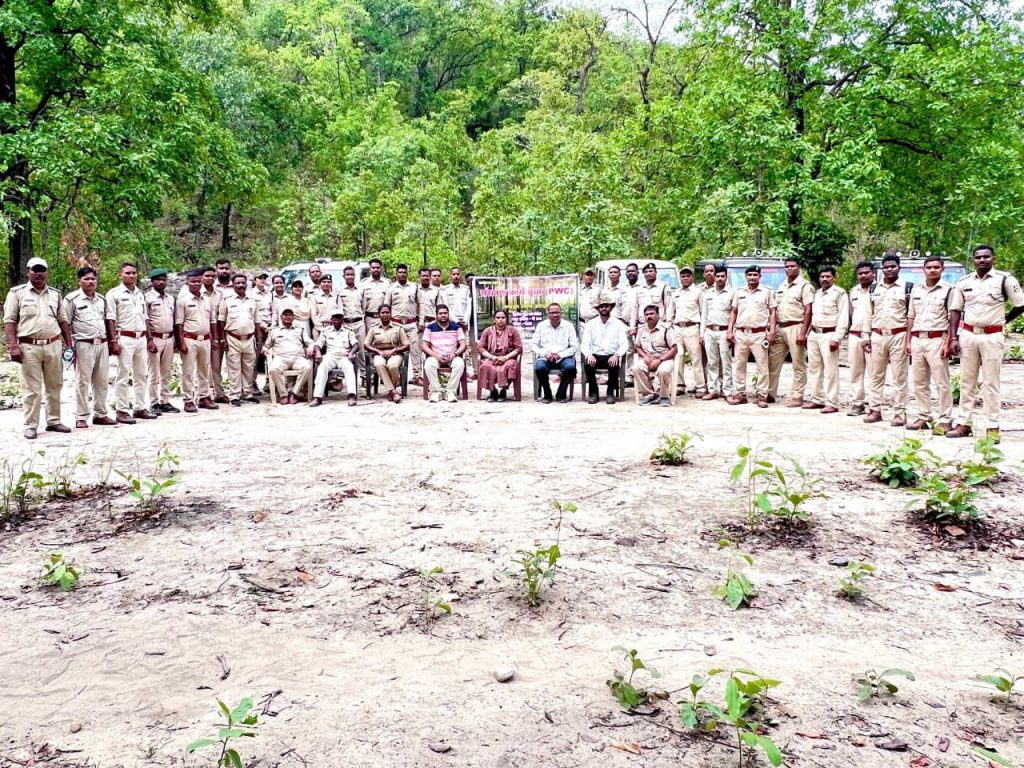
To ensure effective execution, a hands-on training program was conducted at the “Khetar” forest area in the Balco range. The training equipped frontline staff with modern forestry techniques, including:
- Drone-based monitoring and documentation
- Grid-point forest surveying
- Scientific plantation planning under National Working Plan Code 2023
- Groundwater and moisture conservation methods
The initiative marks a shift from traditional plantation practices to a more structured and technology-enabled forest management system.
Focus on Scientific Plantation and Sapling Survival
The training highlighted several key strategies to improve plantation success rates:
- Strict adherence to the forestry calendar for planting and maintenance
- Scheduled weeding cycles (first, second, and third rounds)
- Use of organic and bio-fertilizers for soil enrichment
- Construction of moisture-retention basins (thala)
- Installation of chain-link fencing with pre-stressed concrete poles to protect saplings from grazing and damage
These measures aim to ensure the long-term survival and healthy growth of newly planted saplings.
Soil and Water Conservation Through Modern Techniques
A major component of the initiative focuses on restoring degraded forest ecosystems and improving groundwater levels across all forest ranges, including the Lemru range.
Under programs such as Assisted Natural Regeneration (ANR), Protection Working Circle (PWC), and Rehabilitation of Degraded Forests (RDF), staff were trained in:
- Loose Boulder Check Dams (LBCD)
- Staggered Contour Trenches (SCT)
Field engineers demonstrated soil and moisture conservation techniques directly on-site to enhance practical understanding and implementation efficiency.
Drone Monitoring and Transparency in Forest Management
To ensure accountability and transparency, the forest department has introduced:
- High-definition (HD) photographic documentation
- Drone-based aerial monitoring systems
These technologies will be used to track plantation progress and verify the quality of conservation structures in real time, ensuring strict compliance with project standards.
Ecosystem Mapping Under National Working Plan Code 2023
A key feature of the training was the implementation of the National Working Plan Code 2023, which emphasizes ecosystem-based forest management.
Frontline staff were trained in grid-point surveying techniques to collect detailed ecological data, including:
- Tree density and stump enumeration
- Natural regeneration and sapling growth assessment
- Identification of medicinal plants and ground vegetation
- Monitoring of invasive species
- Bamboo clump mapping and estimation
This data will help in preparing scientifically accurate Detailed Project Reports (DPRs) for future conservation planning.
Strengthening Field Capacity and Forest Governance
Officials stated that conducting training directly in forest terrain, rather than in classrooms, has significantly improved practical understanding among field staff. Skills in drone operations, mapping, and conservation engineering are expected to enhance the overall efficiency of plantation and restoration drives.
The initiative is being seen as a major step toward integrating technology, scientific research, and field-level forestry operations in Chhattisgarh’s forest management system.
With a target of over 2.64 lakh saplings and a strong focus on high-tech monitoring and ecosystem restoration, the Korba Forest Division is set to implement one of its most advanced plantation drives in Monsoon 2026. The initiative reflects a shift toward data-driven, transparent, and sustainable forest management practices aimed at long-term ecological resilience.