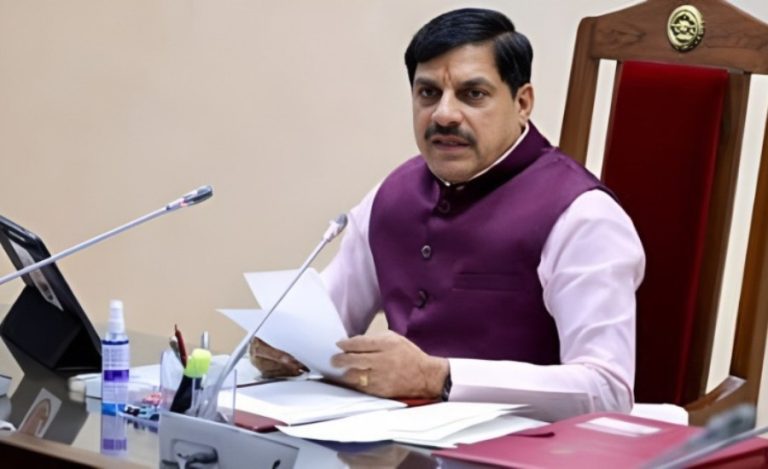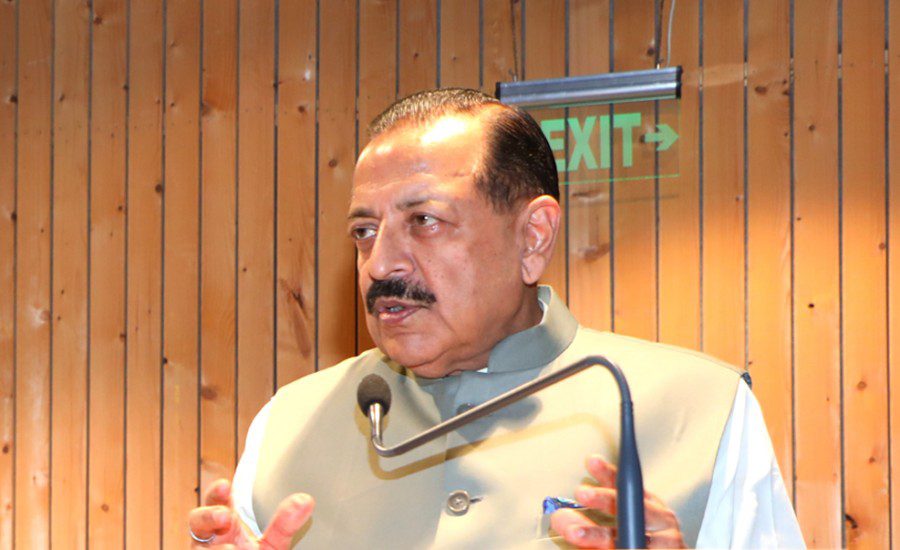
New Delhi: Union Minister of State for Personnel, Public Grievances and Pensions Dr. Jitendra Singh has said that the government has not yet found a feasible mechanism to implement reservation in lateral entry appointments, even as it remains open to suggestions on the issue.
Addressing a press conference highlighting the achievements of the Ministry of Personnel, Public Grievances and Pensions over the last 12 years, the minister clarified that concerns regarding reservation in lateral entry positions had been examined, but no workable model has so far emerged.
The statement comes nearly two years after the lateral entry recruitment process slowed amid political and administrative debates over the absence of reservation provisions in such appointments.
Government Open to Suggestions, But No Practical Model Available
Dr. Jitendra Singh said the government carefully considered the concerns raised regarding reservation in lateral entry recruitment and remains receptive to constructive suggestions.
However, he noted that lateral entry positions are generally standalone posts, making the implementation of conventional reservation frameworks difficult.
According to the minister, despite various discussions and proposals, no practical or legally sustainable mechanism has yet been suggested that could be implemented effectively in these appointments.
He emphasized that the government has not closed the door on the issue and remains willing to examine any workable proposal that may emerge in the future.
Read also: India’s Space Economy Set to Reach USD 45 Billion in Next Decade: Dr Jitendra Singh
No Order Suspending Lateral Entry Recruitment
Amid speculation regarding the future of the lateral entry programme, Dr. Singh clarified that the government has issued no order suspending the recruitment process.
He said lateral entry continues to remain an important mechanism for bringing specialized expertise into government, particularly in sectors requiring domain knowledge and professional experience.
The minister’s remarks indicate that while recruitment activity has slowed, the policy itself remains in place.
DoPT: 63 Lateral Entry Appointments Made So Far
Providing details of the programme, Department of Personnel and Training (DoPT) Secretary Rachna Shah said that a total of 63 lateral entry recruitments have been completed since the initiative was launched.
She added that approximately two-thirds of these officers continue to serve in their respective positions across government departments and ministries.
According to Shah, the most recent round of lateral entry recruitment was conducted in 2023.
Background: 2024 Recruitment Advertisement Withdrawn
The issue of reservation in lateral entry appointments gained prominence in August 2024, when the government withdrew an advertisement inviting applications for 45 lateral entry posts.
The move came after criticism from several quarters over the absence of reservation provisions for Scheduled Castes (SCs), Scheduled Tribes (STs), Other Backward Classes (OBCs), and other reserved categories.
The withdrawal triggered a broader debate on balancing merit-based recruitment of domain experts with constitutional commitments to social justice and representation.
Since then, discussions on creating an acceptable reservation framework for lateral entry appointments have continued.
What Is the Lateral Entry Scheme?
The lateral entry programme was introduced by the Union Government in 2018 with the objective of bringing experienced professionals and domain experts from outside the traditional civil services framework into government.
Appointments are typically made at senior levels, including:
- Joint Secretary
- Director
- Deputy Secretary
The scheme aims to infuse specialized knowledge and professional expertise into policymaking and implementation in sectors such as:
- Infrastructure
- Finance
- Technology
- Energy
- Health
- Governance reforms
Supporters argue that lateral entry strengthens administrative capacity by supplementing career civil servants with subject-matter experts.
Recruitment Reforms Highlighted by Government
Apart from the discussion on lateral entry, Dr. Jitendra Singh highlighted a series of recruitment and governance reforms undertaken over the last twelve years.
According to the minister, the government’s focus has been on creating a recruitment system that is:
- Transparent
- Technology-driven
- Merit-based
- Efficient
Key Reforms Include:
Removal of Interviews
Interviews for:
- Group B (Non-Gazetted) posts
- Group C posts
have been abolished to reduce subjectivity and improve fairness in recruitment.
Expansion of Computer-Based Examinations
The government has significantly expanded digital examination systems, helping standardize recruitment processes and improve transparency.
Technology-Driven Governance
The minister also highlighted the growing use of digital governance platforms to streamline personnel administration and public service delivery.
Mission Karmayogi and Governance Reforms
Dr. Singh used the occasion to reiterate the government’s emphasis on administrative modernisation through Mission Karmayogi, the flagship civil service capacity-building programme.
He encouraged state governments to adopt governance and service delivery platforms developed by the Union Government, arguing that such initiatives can strengthen administrative efficiency and improve citizen services across the country.
Mission Karmayogi aims to build a future-ready civil service through continuous learning, competency-based training, and technology-enabled governance systems.
Debate on Reservation Likely to Continue
The question of reservation in lateral entry appointments remains one of the most debated aspects of the programme.
While the government maintains that no workable framework has yet been identified, political parties and social justice advocates continue to argue for mechanisms that ensure representation of reserved categories in senior government positions.
With lateral entry remaining part of the government’s administrative reform agenda, discussions on balancing expertise, merit and social inclusion are expected to continue in the coming years.