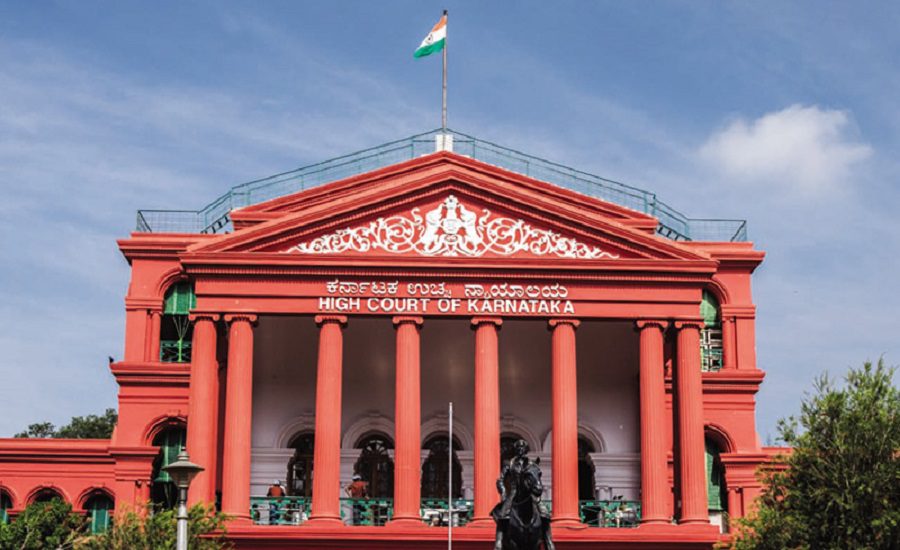
Bangalore: On 9 December 2025, the Karnataka High Court (Karnataka HC) — in an interim order — stayed the government notification issued on 20 November 2025 that mandated one paid menstrual leave day per month for women working in registered industrial establishments across the State.
The notification — hailed as a landmark step for women’s workplace welfare in the State — had aimed to provide “one day paid menstrual leave per month” to all permanent, contract and outsourced women employees of eligible establishments.
However, the interim stay by the high court throws the implementation of that mandate into uncertainty, at least for now.
Background of Menstrual Leave Notification
On 9 October 2025, the Karnataka Cabinet approved the state’s new menstrual leave regime, known as the Karnataka Menstrual Leave Policy 2025.
Under the Policy — once notified — women employees would be entitled to one paid menstrual leave per month, amounting to up to 12 days a year.
On 20 November 2025, the Karnataka Labour Department issued Government Order No. LD 466 LET 2023, converting the draft into a binding directive.
The Order required all industrial and commercial establishments registered under any of the following labour statutes to comply:
- Factories Act, 1948,
- Karnataka Shops and Commercial Establishments Act, 1961,
- Plantations Labour Act, 1951,
- Beedi and Cigar Workers (Conditions of Employment) Act, 1966, and Motor Transport Workers Act, 1961.
The entitlement applied to all categories of women workers — permanent, contractual, and outsourced — between the ages of 18 and 52.
The leave was to be paid and wage-protected; no medical certificate was required, and the leave could not be carried forward to subsequent months.
The government and supporters described the move as a progressive and historic step toward recognizing menstrual health as a legitimate workplace welfare concern.
The Challenge: Who Objected — and Why
Petition by Bangalore Hotels Association (BHA)
Immediately after the order, the Bangalore Hotels Association (BHA) filed a writ petition before the Karnataka High Court, challenging the mandatory menstrual leave requirement.
The main grounds raised by the petitioners include:
Lack of Statutory Power: BHA contended that none of the labour laws cited in the Notification authorise the government to impose a new category of leave such as “menstrual leave.” They argued that leave policy and special leave entitlements fall within the internal administrative domain of individual employers — not a matter for executive order.
Procedural Impropriety: The BHA argued that the government notification ignored principles of natural justice by not giving stakeholders or employers a chance to participate or give feedback before imposing the new requirement.
Discriminatory Implementation: The petitioners also flagged that while private and industrial establishments were being bound by the leave mandate, the Government — which itself employs large numbers of women — had not yet extended the same benefit to its own women employees. This, they argued, rendered the policy arbitrary and discriminatory.
Operational Concerns: In industries like hospitality, manufacturing, or transport — often operating 24/7 or with tight workforce scheduling — mandatory monthly absent days could have an adverse effect on staffing, productivity and labour costs.
Some employers reportedly called this a burden that could disadvantage women workers.
Thus, the legal challenge effectively questioned the very validity and enforceability of the 20 November Order.
What the High Court Did: The Interim Stay
On 9 December 2025, delivering its interim order, the Karnataka High Court — comprising a bench led by Justice Jyoti M — granted the petitioners’ request to stay the November 20 notification.
In its brief order, the Court allowed:
> “The Government Advocate to accept notice for the respondent; there shall be an interim order as prayed for … liberty to seek modification of the order. Government to file a statement of objections — relist after winter vacation.”
In other words:
The mandatory menstrual-leave requirement is suspended, for the time being, for the establishments covered by the petition (at least those under BHA’s ambit).
The government has been asked to file its objections/response after the winter vacation, after which a fuller hearing will take place.
No final decision on merits has been taken yet; this is a temporary stay pending a full hearing.
Key Implications of Menstrual Leave Notification
The interim stay has several important implications:
Uncertainty for Employers & Employees: Employers in many private and industrial establishments now face uncertainty about whether they must provide menstrual leave — or whether it remains voluntary. For women employees who may have counted on that benefit, the stay may mean continued denial of menstrual leave for the near future.
Potential Delay in Broader Implementation: While the leave was to apply broadly under five major labour laws, the stay — if upheld or extended — could undermine or delay the realisation of the policy across sectors. This could especially impact smaller establishments or those without robust HR frameworks.
Legal Precedent & Stakes for Women’s Workplace Rights: The challenge raises larger questions: Can a state government, under executive order, expand leave benefits that were not envisaged under existing statutes? Is legislative amendment necessary for new categories of leave? The High Court’s decision will set a precedent for similar policies in Karnataka or other States.
Policy vs. Practical Realities: The stay underscores the tension between aspirational, rights-based labour reform and practical/regulatory realities — particularly in sectors with complex employment arrangements (contract labour, outsourcing, shift work).
Broader Context of Menstrual Leave Notification
Supporters of the menstrual-leave policy had argued that it was overdue; menstruation remains a biological reality for a large proportion of the workforce, yet workplace policies have rarely recognised it as a legitimate reason for leave. The new policy was being hailed as a progressive step in making workplaces more inclusive and sensitive to women’s health and dignity.
Globally — and in some Indian states — menstrual leave has already been recognised in various forms. By enacting a statewide entitlement across public and private sectors, the State had the potential to set a national benchmark.
That said — critics had warned that mandatory monthly leave could lead to unintended consequences: such as potential discrimination in hiring (employers preferring male over female workers), or marginalisation of women in sectors where staffing and labour-costs are tightly controlled.
The High Court’s stay strikes a pause button on this bold experiment. As the full hearing looms after winter vacation, the question remains — will Karnataka’s menstrual-leave policy survive its first legal test, or will it require structural legislative reform to become truly sustainable?
What Happens Next
The government will file its statement of objections before the Court after winter vacation, setting the stage for full arguments.
In the meantime, employers may — depending on their own discretion and risk assessment — choose to extend paid menstrual leave or wait for clarity.
The verdict will likely shape future labour-welfare policy in Karnataka — not only for menstrual leave but also for other gender-sensitive reforms.
If upheld, the policy could become a template for other states in India. If struck down (or modified significantly), it may force rethinking of how menstruation-related leave (or more broadly, gender-sensitive leave) should be legislated.